

Maintaining strong dental health in dogs is one of the most important responsibilities for any pet parent. Just like humans, dogs rely on their teeth for eating, chewing, playing, and overall comfort. Poor dental hygiene in dogs can lead to plaque, tartar, gum disease, bad breath, and even infections that affect vital organs. At Alvid Pet, we believe every dog deserves a clean, healthy mouth and a happy life. This guide will walk you through the best ways to care for your dog’s teeth while naturally integrating effective and simple habits into your daily routine.
Why Dental Care for Dogs Matters
Proper dental care for dogs isn’t just about keeping their breath fresh—it’s essential for preventing long-term health issues. Dogs often hide pain, and dental problems may go unnoticed until they become severe. Regular attention to dog teeth hygiene reduces the risk of periodontal disease, tooth loss, and oral infections. Creating a consistent routine can dramatically improve your dog’s well-being and longevity.
What Do Healthy Dog Teeth Look Like?
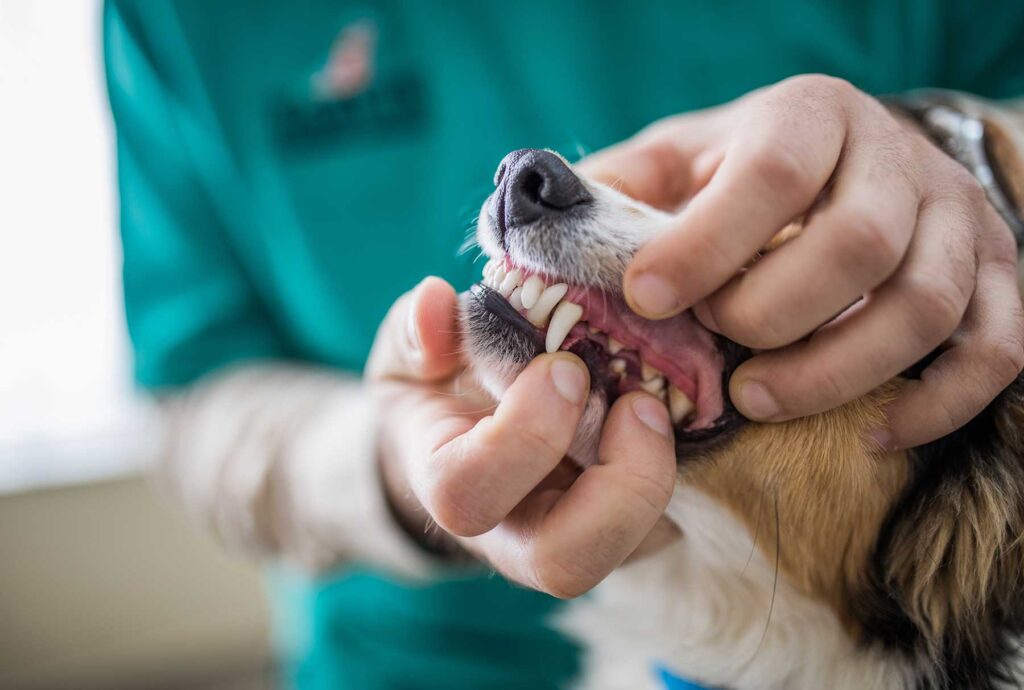
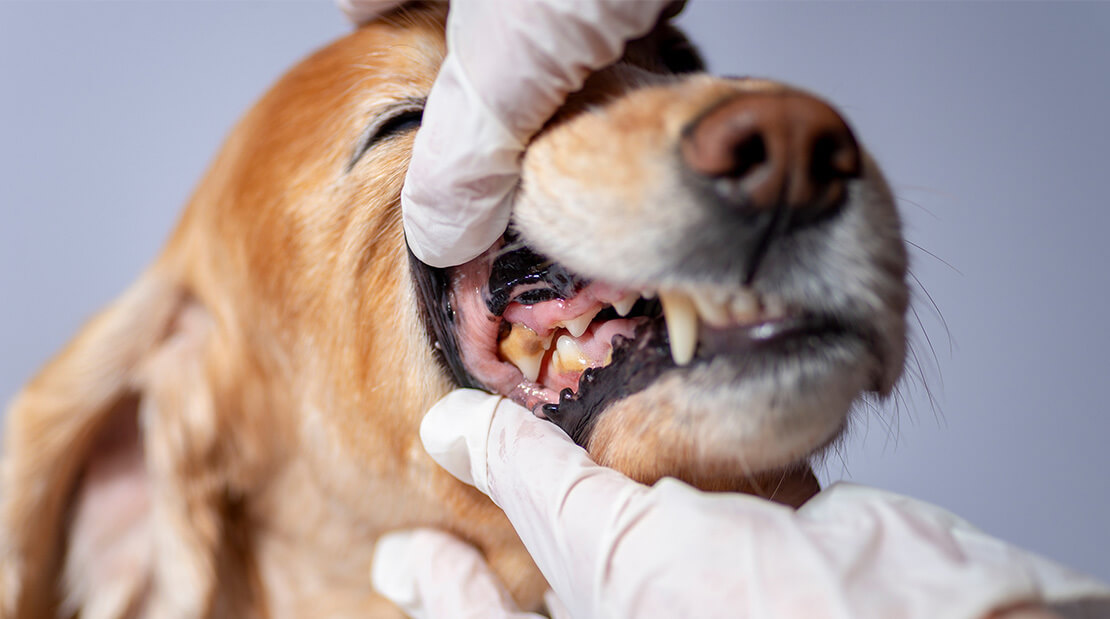
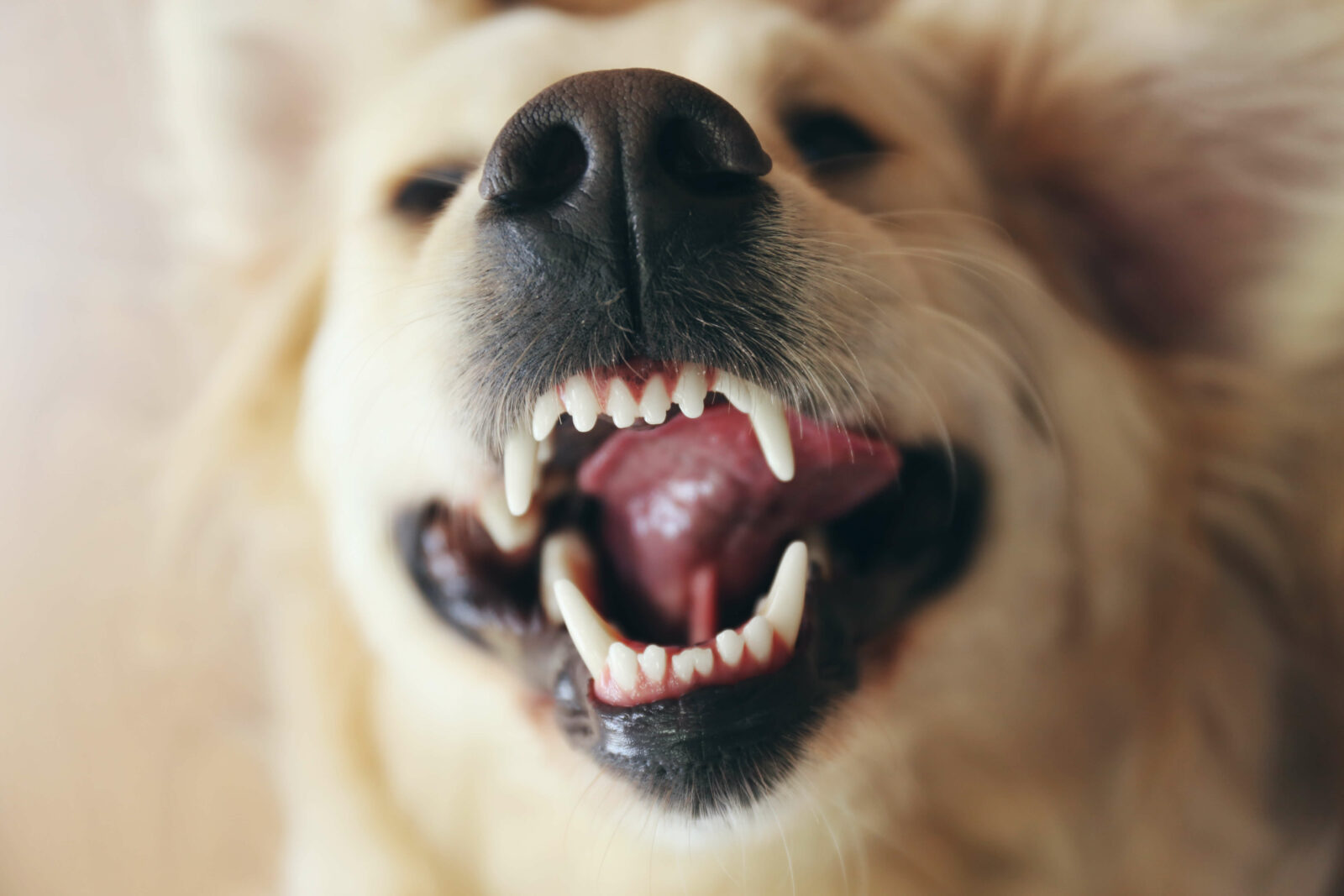
Many owners ask, “What do healthy dog teeth look like?” Recognizing the signs of a clean mouth helps you track your dog’s oral health. Healthy teeth should appear white or off-white with minimal yellowing. The gums should be pink, moist, and free of swelling. Bad breath is often the first indicator of a developing problem, while red or bleeding gums may point to early gum disease. When you know what normal looks like, you can quickly detect changes.
Plaque Buildup in Dogs: Why It Happens
Plaque buildup in dogs starts with food debris and bacteria collecting along the gum line. When plaque isn’t removed, it hardens into tartar, which can only be removed through professional cleaning. Preventing plaque is much easier—and safer—than treating it. Routine brushing and the right dental products from Alvid Pet help minimize buildup and keep the mouth fresh and clean.
Best Oral Hygiene for Dogs: Daily Brushing
The foundation of the best oral hygiene for dogs is daily brushing. Using a dog-safe toothpaste and soft brush helps remove plaque before it turns into tartar. Many dogs resist brushing at first, but with patience, praise, and gentle handling, most pets adapt quickly. At Alvid Pet, we emphasize slow introductions and positive reinforcement to make brushing a stress-free experience.
When brushing your dog’s teeth:
- Lift the lips gently.
- Use circular motions along the gum line.
- Aim for at least 30 seconds per side.
- Reward your dog afterward.
Brushing remains the best way to keep your dogs’ teeth clean, and when done consistently, it dramatically reduces the need for future dental procedures.
Can Dogs Have Mouthwash?
Many pet owners wonder, “Can dogs have mouth wash?” Dogs cannot use human mouthwash, as the ingredients are unsafe and can be toxic. Only dog-formulated oral rinses or water additives should ever be used, and they must be labeled safe for pets. Alvid Pet promotes using only veterinarian-approved canine dental rinses designed specifically for dog physiology, never products intended for people.
How to Keep Your Dog’s Teeth Clean Without Stress
Not every dog tolerates brushing right away. In these cases, you can still support oral hygiene for dogs through multiple alternative methods:
Dental Chews
Chewing encourages saliva production and helps mechanically scrape away plaque. Look for chews intentionally designed for dental support.
Dental Wipes
These are great for quick cleaning along the gum line when brushing isn’t possible.
Teeth-Cleaning Toys
Certain textured toys help rub plaque away during play.
Water Additives
Safe canine mouthwash-style additives can reduce bacteria and freshen breath.
Using a combination of these methods ensures you know how to keep dog teeth healthy, even if your dog dislikes brushing.
Dog Dental Cavity: What You Should Know
A dog dental cavity—though less common than in humans—can occur due to bacteria, food debris, and weakened enamel. Signs include sensitivity, difficulty chewing, drooling, and visible dark spots on the tooth surface. Cavities must be diagnosed and treated by a veterinarian. Preventive care through Alvid Pet routines helps greatly reduce the risk of cavities forming.
How to Clean a Dog’s Mouth Properly
If you’re wondering how to clean a dog’s mouth, remember that gentle care and dog-safe products matter most. Avoid harsh chemicals or human oral-care items. Use dog-friendly toothpaste, dental wipes, or dental gels. Clean the gums, teeth, and tongue carefully. Regular rinsing with pet-safe oral solutions helps reduce bacteria and keeps breath fresh.
Keeping the mouth clean is essential for the best teeth cleaning for dogs, and doing it regularly prevents larger problems from developing.
The Best Way to Keep Your Dog’s Teeth Clean: Consistency
The best way to keep your dog’s teeth clean is by combining daily habits with preventative tools. Regular brushing remains the gold standard, but chews, toys, and oral rinses offer powerful support. The key is consistency. Long gaps between cleanings allow plaque to harden, making maintenance harder and more uncomfortable for your pet.
At Alvid Pet, we encourage pet parents to create weekly schedules, mixing brushing with chew time, mouth rinsing, and routine visual checks to stay ahead of dental issues.
Professional Dental Cleanings
Even with perfect at-home care, your dog may eventually need a professional cleaning. This is normal and healthy. Cleanings remove tartar, reach beneath the gum line, and allow vets to check for hidden issues. Good dog teeth hygiene at home reduces how often these cleanings are needed.
Oral Hygiene for Dogs: Start Early
Puppies adapt faster than adult dogs, making early dental training essential. Introducing brushing during puppyhood sets the foundation for lifelong dental success. Even if your pet is older, start gradually and make every interaction positive. The goal is building trust and comfort.
Consistent oral hygiene for dogs is one of the best long-term investments you can make in your pet’s health.
Alvid Pet’s Commitment to Healthier Smiles
Throughout your pet’s life, Alvid Pet is dedicated to helping dog owners maintain strong dental habits through reliable guidance and canine-safe care routines. When you know how to keep your dog’s teeth clean, prevent plaque buildup in dogs, and recognize early signs of dental issues, you ensure your dog enjoys a healthier, happier life.