

Ear mites are one of the most common ear problems in cats, especially kittens and outdoor cats. These parasites exist in small sizes, which makes them difficult to detect with human vision, and they trigger severe tips to treat ear mites in cats, problems that result in infections and permanent ear damage when patients fail to receive proper treatment. For pet parents, recognising early signs and knowing the best way to treat cats with ear mites can make a huge difference in their pets’ comfort and health.
This complete guide explains how to determine if your cat has ear mites, what cat ear infections look like, how to clean your cat’s ears safely, and the most effective treatments for ear mites in cats.
What Are Ear Mites in Cats?
Ear mites are microscopic parasites that live in a cat’s ear canal. The parasites feed on earwax together with skin oils, which leads to ear inflammation and skin itching. Ear mites spread quickly between pets because they are highly contagious, and people can catch them by touching their pets.
The first step for cat owners who want to detect ear mites in their pets involves monitoring their cat’s actions and performing an examination of their ear area.
How Do You Know If Your Cat Has Ear Mites?
Medical staff can prevent new health problems from developing when they identify symptoms at their beginning stage. The following symptoms are commonly observed:
* Constant scratching at the ears
* Frequent head shaking
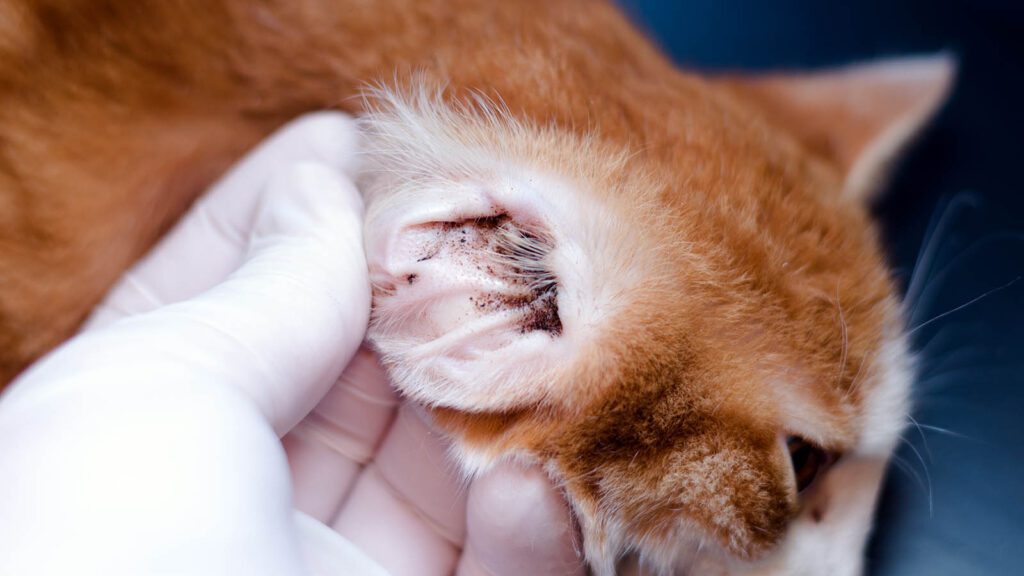
The ears contain dark brown or black debris which people describe as having a coffee-ground appearance.
The ear canals display redness, which leads to inflammation.
The ears generate a strong odour, which differs from typical ear smells.
The ear region shows two symptoms, which include scabs and hair loss.
People should avoid touching my ears because they become extremely sensitive to any form of contact.
The combination of these symptoms enables you to identify whether your cat has ear mites.
What Does a Cat Ear Infection Look Like?
Ear mites create a risk for developing secondary ear infections when left without treatment. The following symptoms indicate that a cat has developed an ear infection:
* The ear flaps show signs of swelling, and they have become thicker than normal.
* Yellow or green discharge
* Persistent bad smell
* The ear opening develops a crust, which forms around it.
The pet displays ear-related aggression by touching its ears which results in crying.
The situation needs urgent veterinary assistance whenever any symptom shows signs of worsening or expanding its present condition.
How to Treat Cat Ear Mites Effectively
Confirm the Diagnosis
A veterinarian needs to perform an ear swab examination under a microscope to officially diagnose ear mites based on the observed symptoms. The test enables doctors to deliver appropriate medical treatment through its ability to determine infection types and stop bacterial or yeast infections from developing.
Ear Mite Medication for Cats
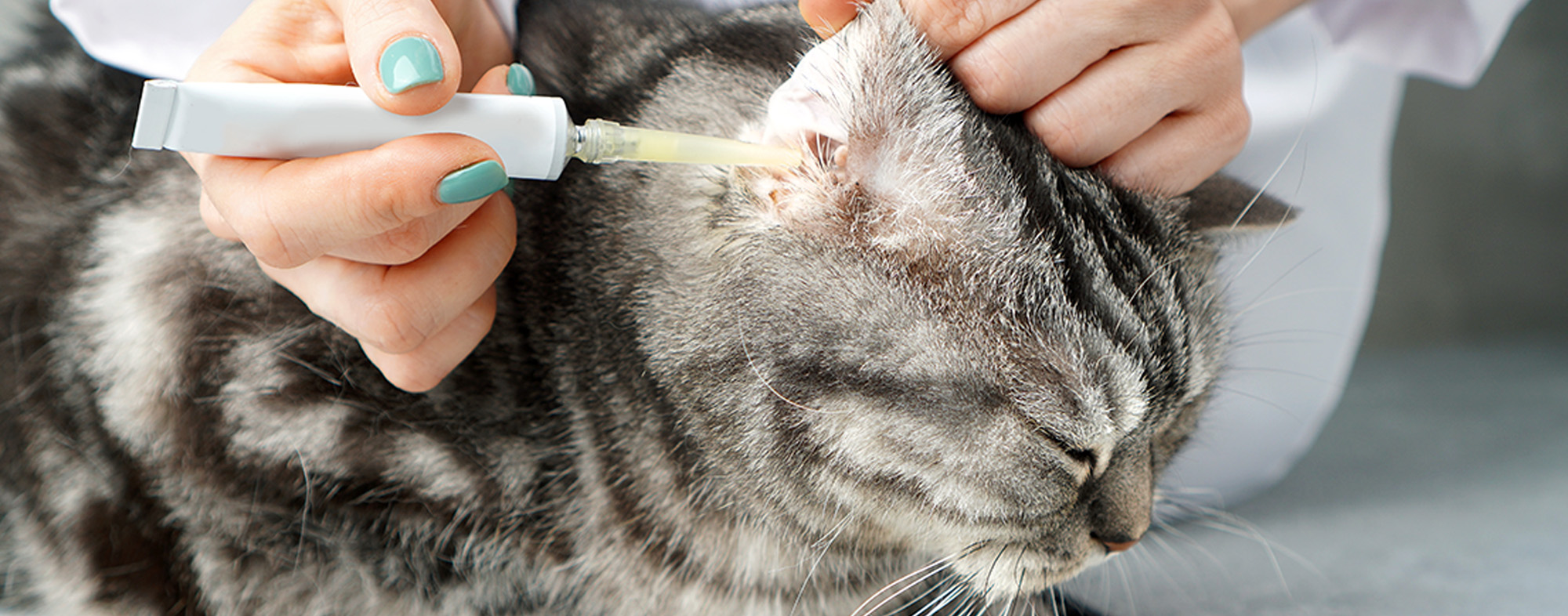
The most effective ear mite treatment for cats usually includes prescription medication. These medications are designed to eliminate mites that are present in every stage of their life cycle.
Common forms include:
* Ear drops
* Topical treatments
The treatment plan includes injectable solutions which doctors reserve for patients who have severe conditions.
The treatment process for ear mites in cats begins its mite-killing process right away but patients need 7–21 days to complete the life cycle elimination.
Never use dog medications or home remedies without professional guidance.
How to Clean a Cat’s Ears Safely
Cleaning your cat’s ears is an essential part of treatment.
Steps for safe ear cleaning:
- Gently restrain your cat using a towel
- Use a vet-recommended ear-cleaning solution
- Insert the solution into the ear canal.
- Massage the base of the ear for 20–30 seconds
- Allow your cat to shake their head
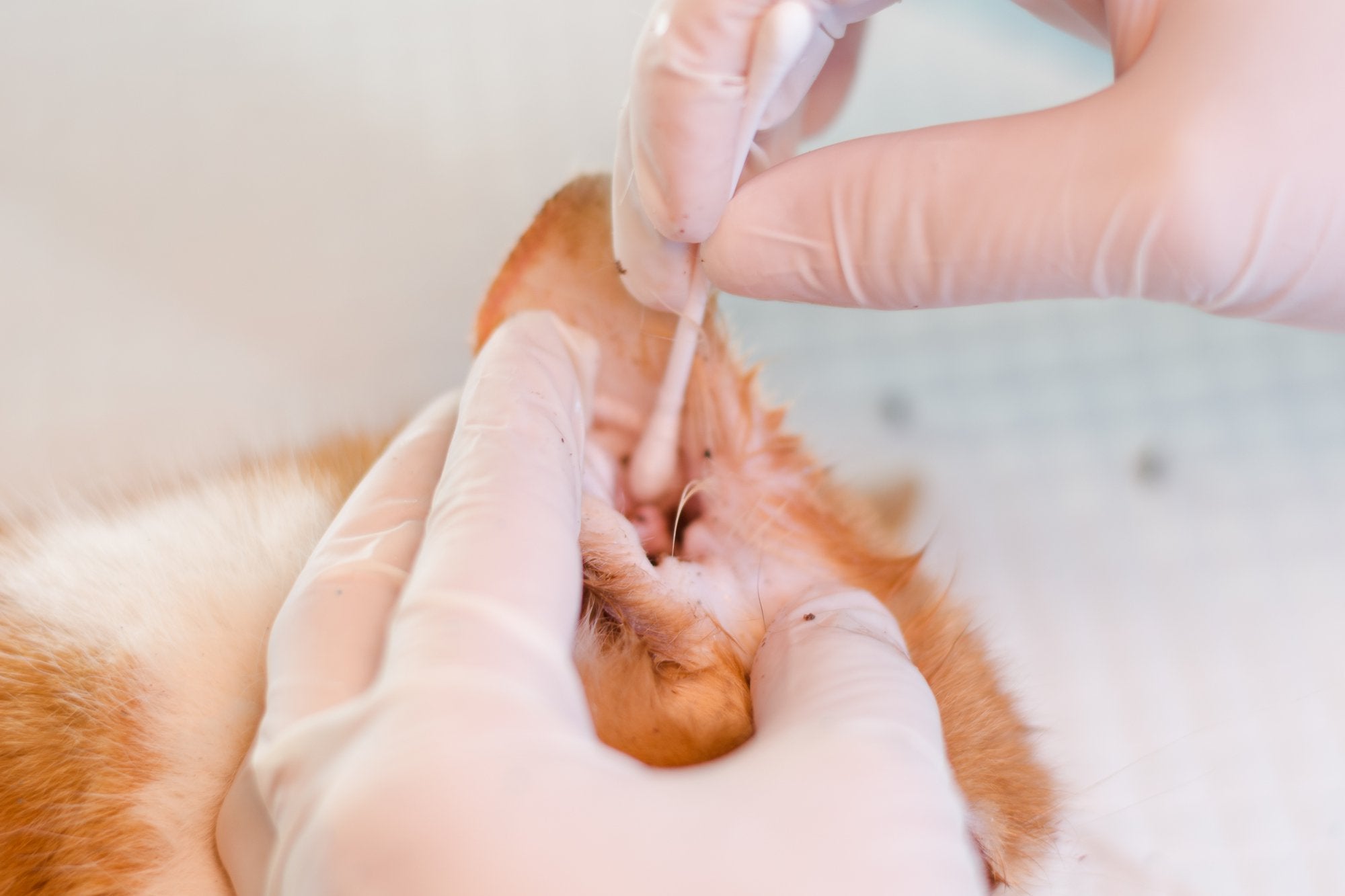
- Wipe away debris with cotton (never use cotton buds)
Cats need their ears cleaned through regular practice with proper delicate handling techniques.
How to Remove Ear Mites From Cats Completely
To fully remove ear mites:
* Patients need to complete their entire medication schedule, which their doctor has ordered.
* Clean ears regularly during treatment
* All pets in the household need treatment.
* You need to wash all bedding items together with your toys and sleeping areas according to the process.
The medical treatment of infected cats needs them to stay in different areas until they complete their medical care.
The process of eliminating ear mites from cats requires simultaneous treatment of both the animal and its surrounding space.
Best Way to Treat Ear Mites in Cats at Home
The recovery process benefits from home care support which works together with veterinary medication as an essential treatment.
* Keep ears dry and clean
* Prevent scratching with nail trimming
* Maintain a stress-free environment
* Check student progress every day.
The human body needs proper nutrition to enable its immune system to function correctly.
These methods for treating ear mites in cats will help your pets recover faster while minimising the chances of future infections.
Can Ear Mites Come Back?
Yes, ear mites can return if:
* Treatment is stopped too early
* The remaining pets in the household do not receive any treatment.
* The environment isn’t cleaned
* The cat spends most of its time outside.
Doctors perform routine ear inspections to detect the first indications of reinfestation through these examinations.
How to Prevent Ear Mites in Cats
Prevention is easier than treatment. Steps include:
* Regular ear inspections
* The veterinarian recommends parasite prevention treatment, which should be administered once per month.
* People should stay away from animals which have become infected.
* Clean shared bedding
* Schedule routine vet checkups
Doctors employ early detection techniques which help them prevent ear infections from becoming dangerous medical conditions.
When to See a Veterinarian Immediately
Seek professional care if:
Your cat shows signs that indicate it has problems with its balance.
* Ear bleeding occurs
* The symptoms fail to show any signs of improvement during a one-week period.
The affected skin area exhibits both swelling and pus accumulation.
Your cat becomes lethargic or stops eating.
The symptoms indicate that the infection has spread past ear mite territory while showing signs of severe medical issues.
Common Mistakes to Avoid
* People use home remedies, which include oils and vinegar, for their treatment.
* Skipping follow-up doses
* Cleaning too aggressively
* Ignoring mild symptoms
* Using expired or incorrect medication
The correct treatment method needs to be followed because it protects the ears from developing permanent damage.
Final Thoughts
Ear mites, which are small in size, create significant problems which interfere with your cat’s ability to feel comfortable and maintain good health. Understanding how to know if your cat has ear mites, recognising signs of cat ear infection, and following the best way to treat ear mites in cats ensures a quick and safe recovery. Your feline friend will achieve a joyful itch-free existence through correct ear mite treatment for cats and scheduled cleaning and maintenance practices.
Alvid Pet offers a wide range of premium veterinary products, grooming essentials, and wellness solutions designed to support the overall health, comfort, and happiness of your pets.