


As temperatures drop and winter sets in, many pet owners begin to wonder how the cold season impacts their furry companions. While pets may have fur, they are still vulnerable to low temperatures, harsh winds, moisture, and freezing conditions. Understanding how cold weather affects your pet’s health is essential for ensuring their safety, comfort, and overall well-being. At Alvid Pet, we emphasize the importance of giving pets extra care during cold weather, recognizing early warning signs, and taking preventive steps to protect them from winter risks.
This comprehensive guide explains side effects of cold weather on pets, how the season affects their joints, whether pets get cold in winters, and effective strategies for how to keep pets safe in cold weather.
Do Pets Get Cold in Winters?
A common question among pet parents is: Do pets get cold in winters?
The answer is yes—pets can and do get cold, even with thick fur. Their tolerance levels vary depending on breed, size, coat type, age, and health status.
Smaller dogs, senior dogs, short-coated breeds, and very young pets are more sensitive to cold. Even large or double-coated breeds can be affected by extreme cold, wet conditions, or prolonged exposure.
Recognizing this helps you prepare for proper pets cold weather safety and maintain comfort throughout the winter season.
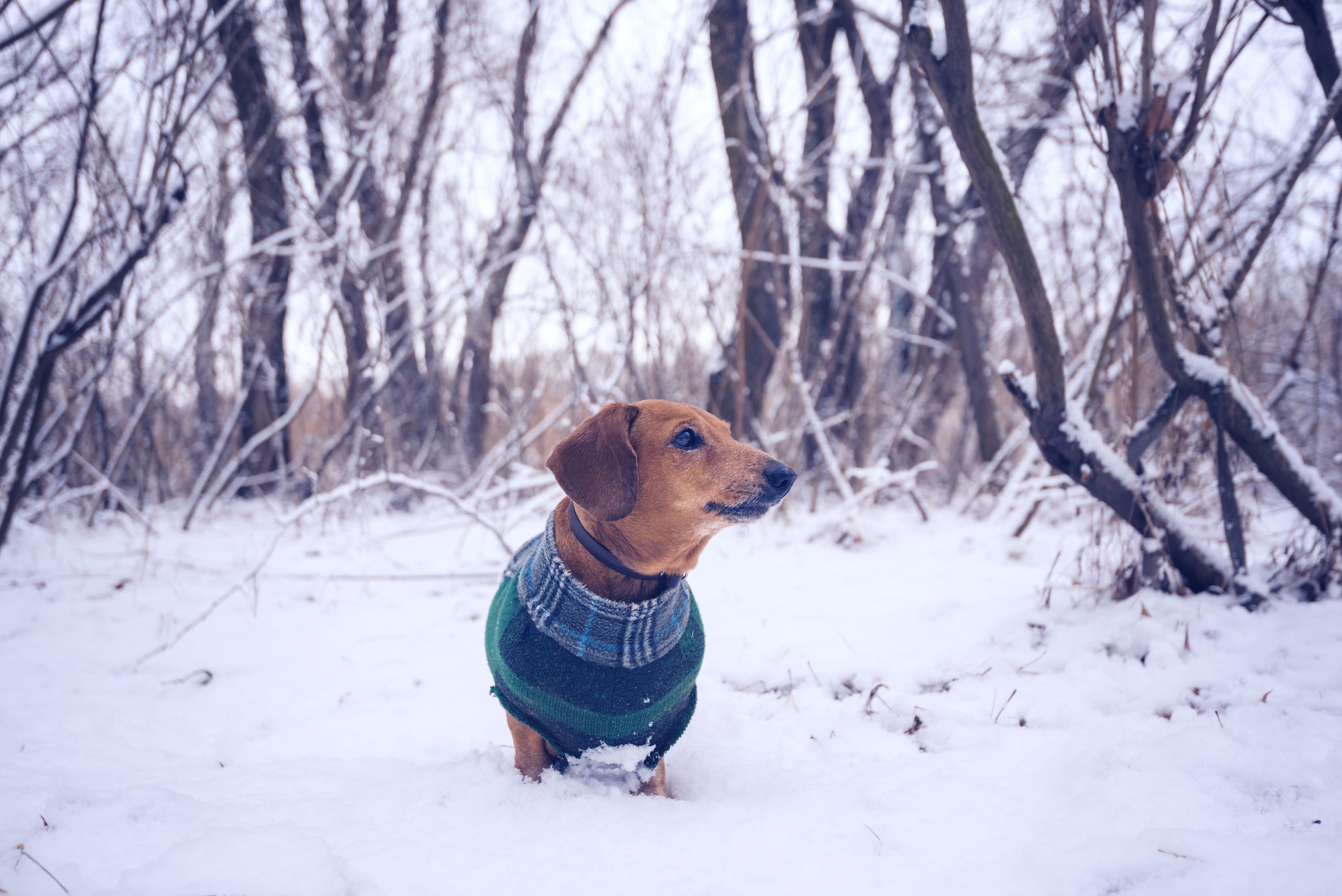
Side Effects of Cold Weather on Pets Health
Cold weather poses several risks that can directly impact pets. Understanding the side effects of cold weather on pets health helps you take preventive action before problems escalate.
1. Hypothermia
When pets lose body heat faster than they can produce it, hypothermia can occur. Symptoms include:
- Shivering
- Lethargy
- Weakness
- Stiff muscles
Mild signs can worsen rapidly, making quick intervention critical.
2. Frostbite
Extremely low temperatures can cause frostbite, especially on ears, tail, paws, and nose. These areas are more vulnerable because they receive less blood flow during cold exposure.
3. Dry Skin and Coat Issues
Winter air is dry. Combined with cold winds and indoor heating, this can lead to:
- Itchy skin
- Flakiness
- Dull or brittle fur
Proper winter grooming, regular brushing, and hydration are important for maintaining coat health.
4. Increased Appetite
Pets burn more calories to stay warm in winter. Without proper diet adjustments, they may lose weight or become less energetic.
5. Respiratory Issues
Cold air can irritate the lungs and worsen pre-existing conditions, particularly in senior pets or breeds prone to breathing problems.
Each of these issues demonstrates why pets need extra care during cold weather and why winter health precautions are essential.
Cold Weather and Arthritis in Dogs
One of the most significant winter challenges for older dogs is joint discomfort. Cold weather and arthritis in dogs are closely linked, with cold conditions commonly worsening joint stiffness and mobility issues.
How Cold Affects Arthritic Dogs
Cold temperatures can:
- Reduce circulation to joints
- Increase stiffness
- Make movement painful
- Reduce activity levels
Dogs with arthritis may show signs such as difficulty standing, reluctance to climb stairs, slow walking, or limping.
At Alvid Pet, we encourage pet parents to maintain warm environments for pets with arthritis, offer soft bedding, and continue gentle exercise to keep joints flexible.
Winter Weather for Pets: What You Need to Know
Winter weather for pets presents unique challenges. Snow, ice, frost, and chilly winds can all affect your pet’s health and comfort. While pets enjoy playing outdoors, winter requires extra caution.
Hazards Pets Face in Winter
- Slippery surfaces may cause sprains or injuries
- Ice-melting chemicals can irritate paws
- Snow can trap moisture in fur, causing chills
- Ingestion of antifreeze or chemicals poses poisoning risks
- Long exposure outdoors may lead to serious health issues
Understanding these hazards is crucial for proper pets cold weather safety.
Pets Need Extra Care During Cold Weather
Winter is not the time to relax your pet’s care routine. Instead, it’s important to recognize that pets need extra care during cold weather to stay healthy and safe.
Here are some key considerations:
1. Warm Shelter
Ensure your pet has access to warm bedding, blankets, and a comfortable indoor environment. Avoid letting them sleep on cold floors.
2. Limited Outdoor Time
Shorter, more frequent walks reduce cold exposure while allowing your pet to exercise.
3. Check Paws Regularly
Cold weather affects paws significantly. Ice, snow, and chemicals can cause irritation, cracking, or burns. Cleaning paws after walks helps prevent these issues.
4. Maintain Activity Levels
While outdoor play may be limited, pets still need exercise. Indoor activities help keep them fit and mentally stimulated.
5. Hydrate Frequently
Just because it’s cold doesn’t mean your pet won’t get dehydrated. Ensure they always have fresh water available.
Giving your pet these simple forms of care makes a big difference in their winter experience.
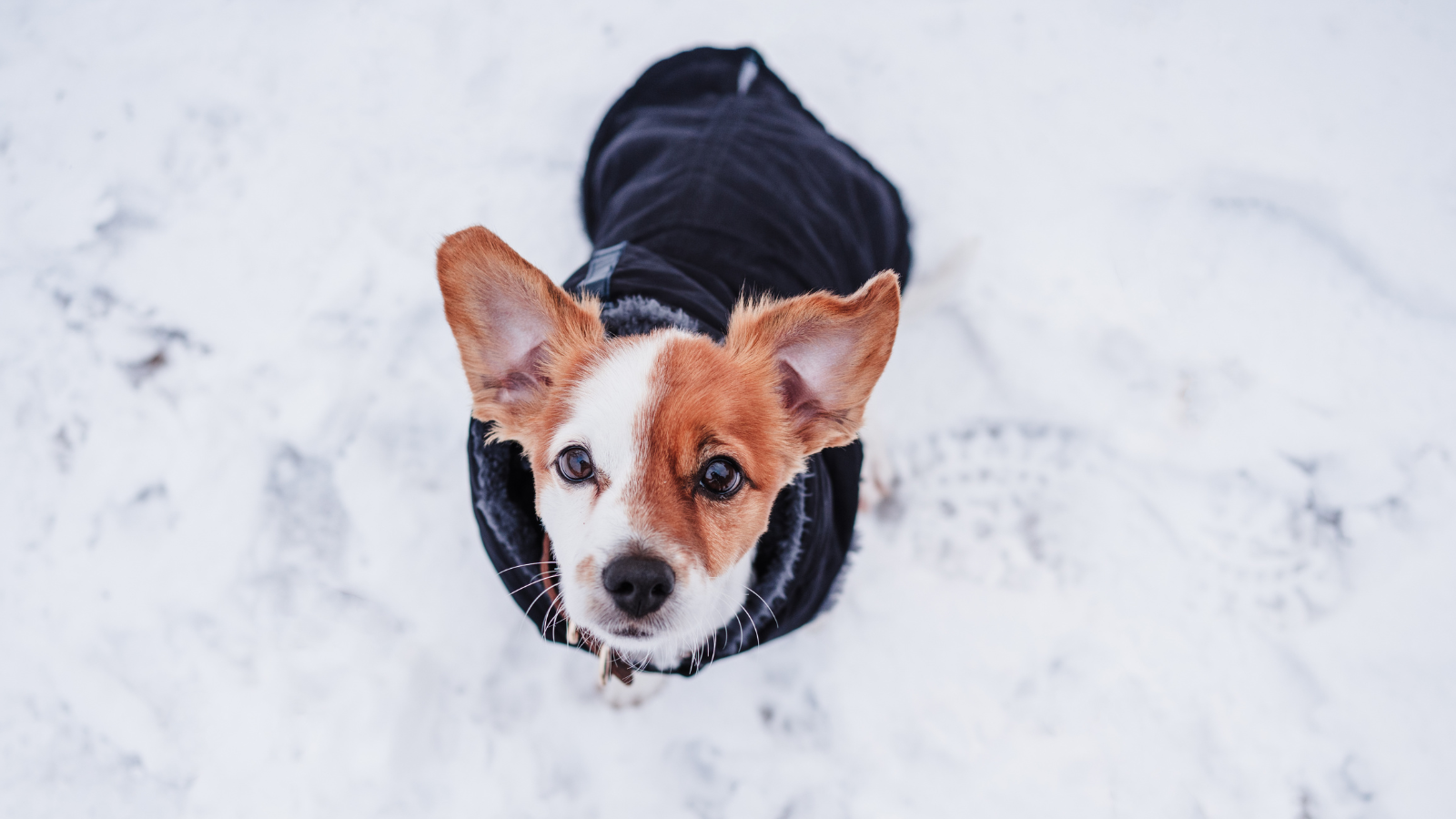
Side Effects of Cold Weather on Pets
Beyond the physical effects mentioned earlier, winter can also impact your pet’s emotional and behavioral well-being.
Behavioral Changes in Winter
- Less interest in outdoor activities
- Increased sleeping
- Reduced energy
- Irritability due to discomfort
Cold weather may also affect appetite, motivation, and overall mood. Monitoring changes and adapting your routine helps reduce winter stress.
How to Keep Pets Safe in Cold Weather
Keeping your pet safe requires awareness and proactive care. Here are the best practices for how to keep pets safe in cold weather:
1. Monitor Outdoor Time
Avoid extended exposure to extreme cold. Bring pets inside promptly if they show signs of discomfort.
2. Provide Warm Bedding
Soft blankets, padded bedding, and warm sleeping areas help prevent joint stiffness and chills.
3. Protect Paws
Trim paw fur to prevent snow clumps, and wipe paws after walks to remove chemicals.
4. Dress Short-Coated or Senior Pets
Use warm sweaters or jackets for pets that struggle with winter temperatures.
5. Maintain Proper Nutrition
Pets may require more calories in winter, especially outdoor-active pets. Consult professional guidance when adjusting diets.
6. Keep Pets Dry
Wet fur increases the risk of cold-related issues. After baths or snow play, dry your pet thoroughly.
7. Stay Alert to Health Changes
Lethargy, stiffness, shivering, or refusal to walk may indicate cold-related problems.
These steps are essential parts of responsible winter pet care.
Alvid Pet: Supporting Pet Health in All Seasons
At Alvid Pet, we understand the unique challenges winter brings. From cold weather and arthritis in dogs to understanding the side effects of cold weather on pets, we believe pet parents should be informed and prepared.
Winter doesn’t have to be stressful for your pets. With proper awareness, warmth, nutrition, and protection, you can ensure a safe and comfortable season for your furry companions.