

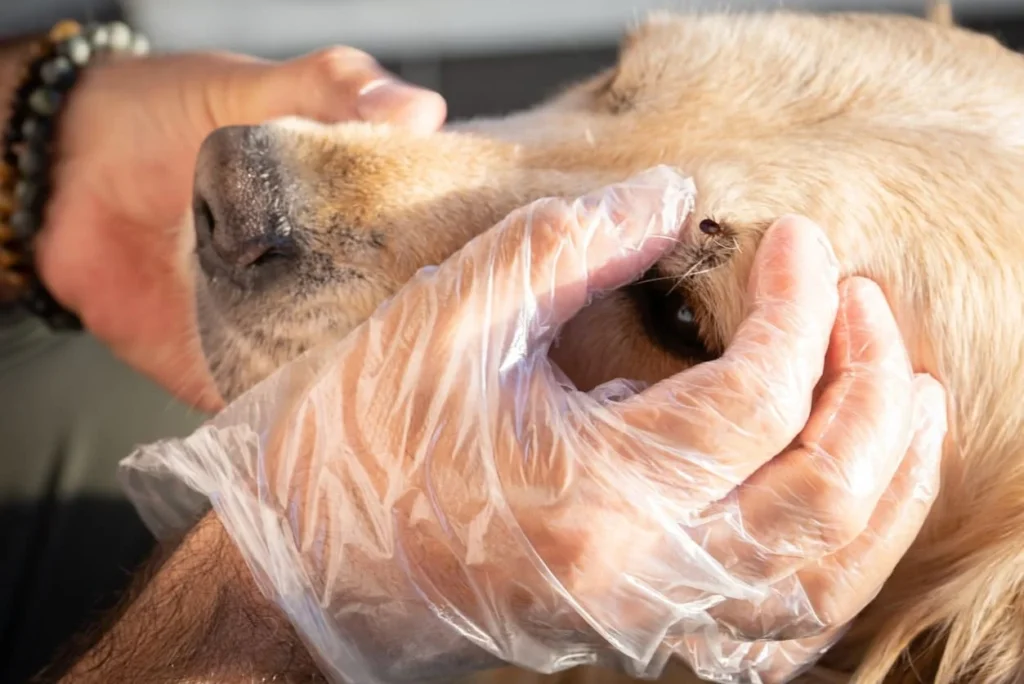
Ticks are one of the most common external parasites that affect dogs, especially during warm and humid seasons. While tiny, ticks can cause serious health issues if not removed promptly. They attach to your dog’s skin and feed on blood, potentially transmitting dangerous diseases. That’s why every dog owner should know how to find ticks on dogs, how to remove them safely, and what to do if dogs have ticks.
At Alvid Pet, we believe that awareness and proper care are essential for protecting your pet. This guide explains how to identify and remove ticks from your dog, the best way to remove ticks from dogs, and effective dog tick treatment solutions you can use at home.
1. Understanding Ticks and Why They Are Dangerous
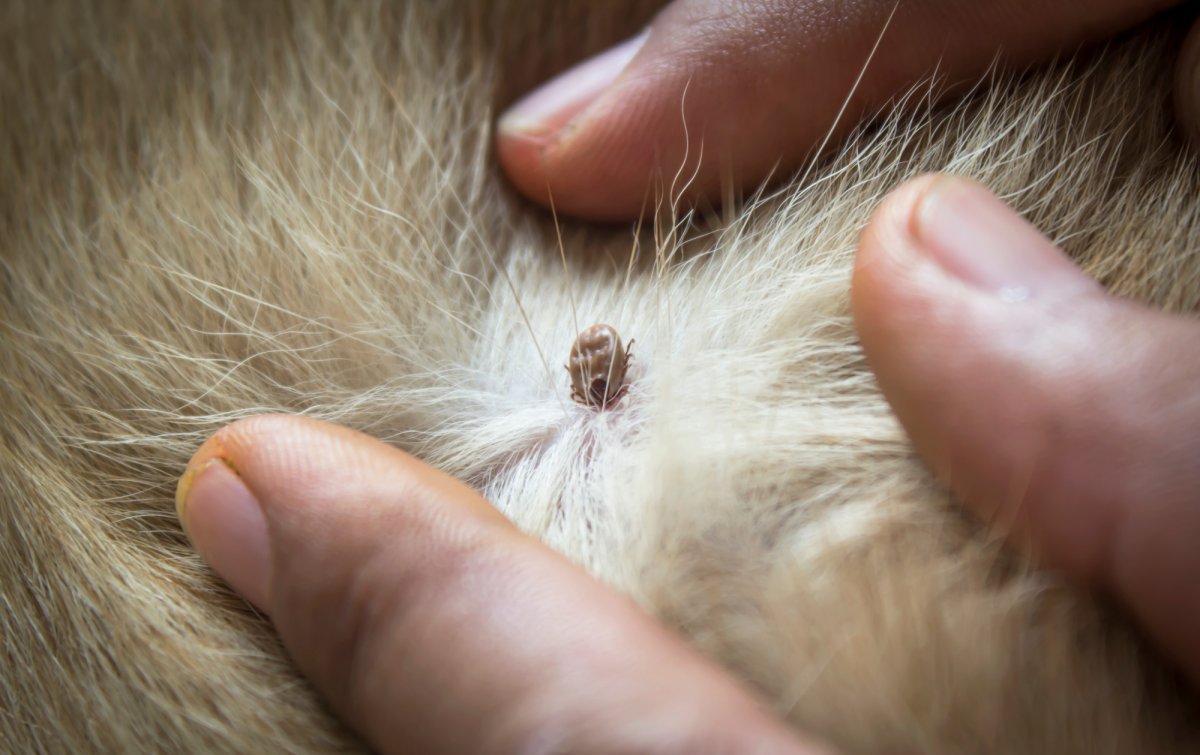
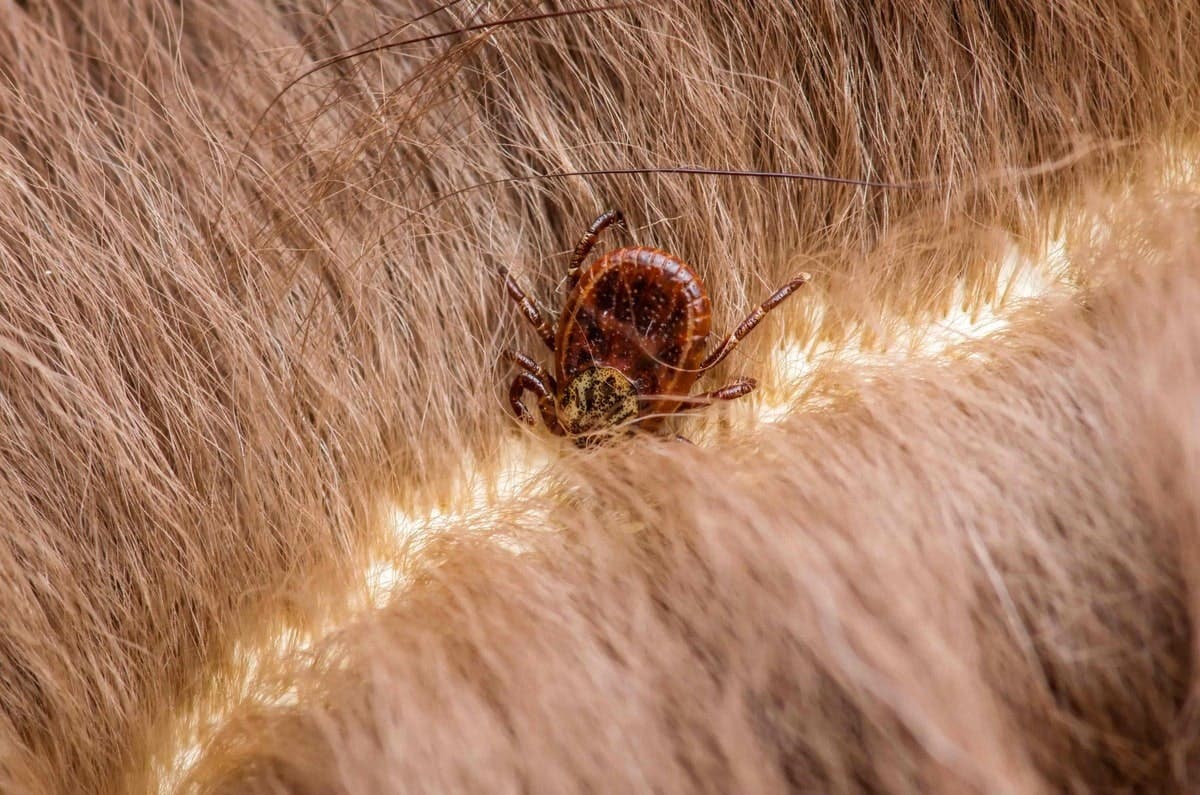
Ticks are small, spider-like parasites that attach to a dog’s skin and suck blood. While feeding, they may transmit diseases such as Lyme disease or tick-borne fever. Knowing how to look for ticks on dogs and acting quickly is essential to preventing complications.
Ticks often hide in places where they are hard to spot. They can cause:
- Itching and discomfort
- Redness and swelling
- Infection at the bite site
- Fever or lethargy
- Transmission of diseases
Because of these risks, it’s important to know how to treat a dog from ticks as soon as you find them.
2. How to Find Ticks on Dogs
One of the most important steps in tick prevention is knowing how to check your dog regularly. Many owners ask:
- How to find ticks on dogs?
- How do you find ticks on dogs?
- How to look for ticks on dogs?
Fortunately, the process is simple with the right technique.
Where Ticks Hide Most Often
Ticks usually attach themselves to warm, hidden, or hard-to-reach areas. When checking your dog, pay special attention to:
- Inside the ears
- Under the collar
- Between the toes
- Inside skin folds
- Under the tail
- Around the eyelids
- Along the belly
- Under the legs
- Around the neck and chest
Ticks attach by embedding their mouthparts into your dog’s skin. You may feel a small bump or notice a tiny dark dot.
How to Look for Ticks on Dogs
Use both your eyes and hands:
- Run your fingers slowly through your dog’s fur.
- Feel for small bumps that seem unusual.
- Separate the fur to view the skin clearly.
- Look for dark brown, black, or grayish spots.
If you find something that looks or feels strange, inspect it closely—it may be a tick.
3. What to Do if Dogs Have Ticks
When you find ticks on your dog, start by staying calm. Panicking can make the situation harder. Instead, follow clear, safe steps.
Immediate Steps to Take
- Do not pull the tick out with your fingers.
- Do not twist, crush, or burn the tick.
- Do not apply harsh chemicals directly on the tick.
Improper handling can cause the tick’s mouthparts to remain in the skin, increasing the risk of infection.
Instead, follow safe tick removal techniques recommended by professionals and trusted brands like Alvid Pet.
4. How to Remove Ticks Safely From Dogs
Knowing how to remove safely ticks from dogs is essential for every pet owner. Ticks must be removed properly to prevent infection and disease transmission.
Best Way to Remove Ticks From Dogs
Follow these steps for the best way to remove ticks from dogs:
Step 1: Prepare Your Tools
You will need:
- Fine-tipped tweezers or a tick-removal tool
- Gloves (to avoid touching the tick)
- Antiseptic solution
- A small container to discard the tick
At Alvid Pet, we recommend using proper tick removal tools designed for safety and effectiveness.
Step 2: Grab the Tick Close to the Skin
Using your tweezers or tick tool:
- Place the tip as close to your dog’s skin as possible.
- Grip the tick by the head, not the body.
This prevents the body from breaking and reduces infection risk.
Step 3: Pull Straight Up
Gently but firmly pull upward in one smooth motion.
- Do not twist.
- Do not jerk.
This ensures the tick’s mouth comes out completely.
Step 4: Clean the Area
Once the tick is removed:
- Clean the bite area with antiseptic.
- Disinfect your tools.
- Wash your hands thoroughly.
Step 5: Dispose of the Tick
Place the tick in a sealed container or flush it away. Never crush it with your fingers.
5. How to Rid of Dog Ticks Completely
If you want to know how to rid of dog ticks entirely, remember that removal is only part of the process.
Follow-Up Care
After removing ticks:
- Monitor the bite site for redness or swelling
- Watch for signs of illness such as lethargy or fever
- Continue checking your dog regularly
Even after removal, your dog may need proper dog tick treatment to prevent reinfestation.
Dog Tick Treatment Options
Common treatments include:
- Tick combing
- Tick-repellent sprays
- Regular grooming
- Protective collars (brand-free general guidance)
- Home preventive routines
At Alvid Pet, we support natural and consistent care routines as part of effective dog tick treatment.
6. How to Treat a Dog From Ticks Effectively
If you’re wondering how to treat a dog from ticks, focus on both immediate removal and long-term prevention. Consistent grooming, regular inspections, and maintaining a clean environment all play an important part.
Home Tick Prevention Tips
- Groom your dog regularly
- Check your dog after walks
- Keep your yard tidy
- Reduce tall grass and debris
- Vacuum frequently indoors
These steps help reduce exposure to ticks and keep your dog healthier and more comfortable.
7. What to Do After Removing the Tick
After successful removal, continue monitoring your dog for any unusual symptoms. If your dog appears ill, seek prompt attention. However, in most cases, proper removal and aftercare are sufficient.
8. Alvid Pet’s Commitment to Tick Safety
At Alvid Pet, protecting your dog’s health is our priority. Understanding how to find ticks on dogs, learning how to remove safely ticks from dogs, and knowing how to treat a dog from ticks empowers pet parents to act quickly and confidently.