

Dogs, like humans, can experience stress, anxiety, and even aggression when their emotional needs aren’t met. Whether it’s separation anxiety, fear of loud noises, or unfamiliar environments, dog owners are increasingly looking for holistic and natural ways to calm their canine companions. If you’ve ever wondered, “How to calm an anxious dog?” or “What can I give my dog for anxiety at home?”, you’re not alone. This guide explores natural anxiety cures, calming techniques for dogs, and preventative steps to manage aggressive behavior, all without relying on harsh medications.
Understanding Dog Anxiety
Before diving into solutions, it’s crucial to understand what anxiety looks like in dogs. Anxiety can manifest in many ways:
- Barking excessively
- Pacing or restlessness
- Destructive chewing
- Panting or drooling
- Hiding or withdrawing from interaction
- Aggression or growling
- Trembling
Dog anxiety isn’t just a behavioral issue; it’s often a sign that your pet is struggling emotionally. Fortunately, there are many ways to support your dog’s mental health using natural methods and proper behavioral strategies.
Dog Calming: A Natural Approach
Dog calming naturally starts with recognizing the triggers and using consistent, gentle techniques to soothe your pet. Let’s explore proven strategies and natural anxiety cures that can improve your dog’s well-being.
1. Establish a Predictable Routine
Dogs are creatures of habit. One of the most effective calming techniques for dogs is to maintain a predictable schedule for feeding, walking, and playtime. A consistent routine gives dogs a sense of security and helps minimize anxiety, especially in rescue dogs or those with traumatic backgrounds.
2. Physical Exercise and Mental Stimulation
Regular exercise is a natural anxiety cure that helps to burn off nervous energy. But don’t stop at physical activity—mental stimulation is just as important. Try:
- Puzzle toys
- Nose work games
- Obedience training
- Interactive feeders
These activities provide both entertainment and challenge, keeping anxiety at bay while reinforcing positive behaviors.
3. Massage and Tactile Therapy
Physical touch is a powerful tool in therapy for dogs with anxiety. Gentle petting, massage, and pressure-based products (like anxiety wraps or vests) can help calm a nervous pup. Focus on long, soothing strokes down the back and shoulders, avoiding areas that your dog may be sensitive to.
Massage reduces cortisol (the stress hormone) and increases serotonin and dopamine, the “feel-good” chemicals that help dogs relax.
4. Create a Calm Environment
Your home environment plays a major role in dog behavior. Consider the following to create a dog calming space:
- Keep noise levels low
- Use soft lighting
- Avoid chaotic energy from loud TVs or multiple guests
- Designate a “safe space” with your dog’s bed, toys, and a blanket
Many dogs find comfort in familiar smells and textures, so avoid washing their bedding too frequently.
5. Natural Remedies and Aromatherapy
What can I give my dog for anxiety at home? If you’re looking for non-pharmaceutical solutions, natural remedies can be highly effective. Here are a few options:
a. Herbal Supplements
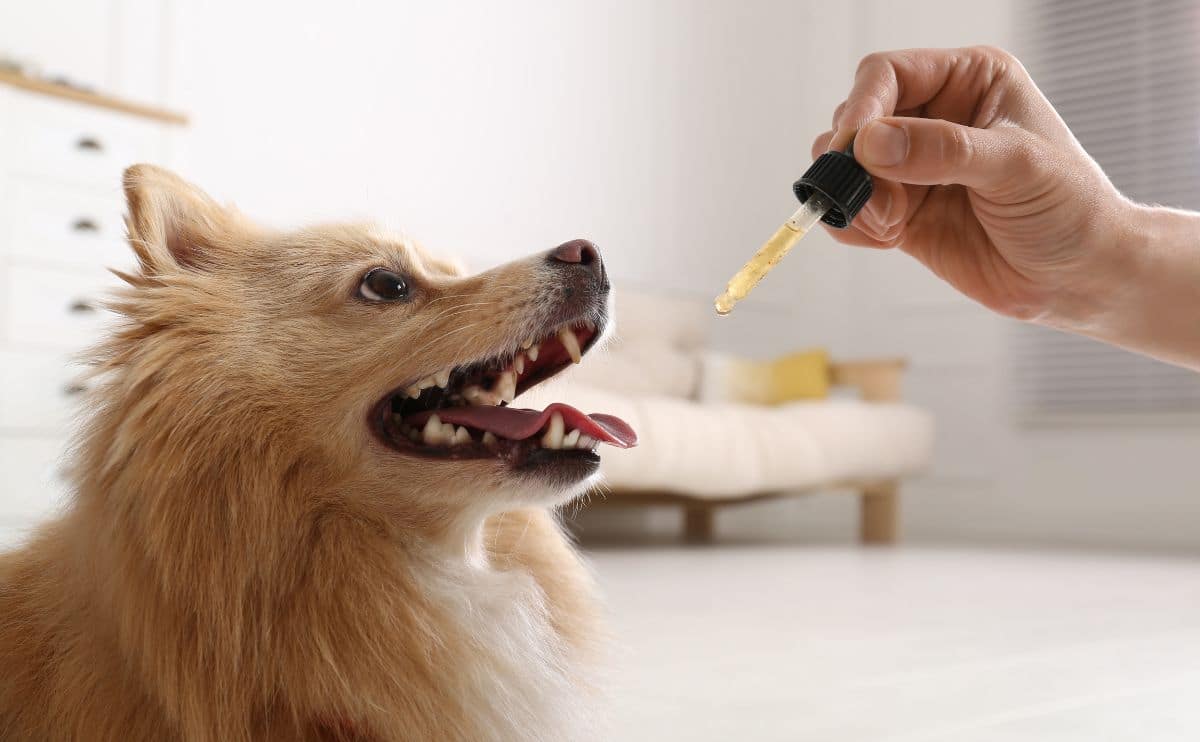
Ingredients like valerian root, passionflower, and chamomile are known for their calming effects. Always consult your vet before adding any new supplement to your dog’s diet.
b. Aromatherapy
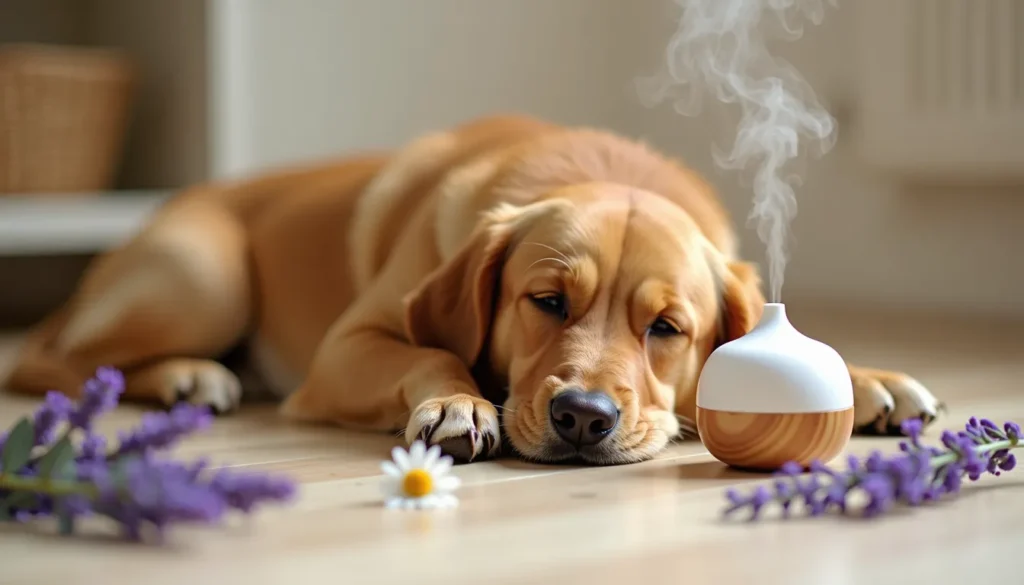
Essential oils such as lavender and chamomile can have a soothing effect on dogs when used properly. Use a diffuser in your dog’s room or apply diluted oils to a bandana. Never apply undiluted oils directly to your dog.
c. Calming Tablets for Dogs
There are many calming tablets for dogs available that use natural ingredients to ease anxiety without sedation. These can be especially helpful during thunderstorms, travel, or vet visits.
6. Desensitization and Counterconditioning
These are behavioral therapy techniques for dogs with anxiety, especially effective for phobias like fireworks, car rides, or strangers.
- Desensitization: Gradual exposure to the trigger in a controlled environment.
- Counterconditioning: Replacing the fearful response with a positive one, usually by pairing the trigger with treats or play.
For instance, if your dog fears car rides, start by feeding him near the car, then sitting inside without driving, slowly building up to short rides with treats.
7. Sound Therapy
Sound therapy isn’t just for humans. Soft classical music or specific dog-calming playlists can significantly reduce stress levels in anxious pets. Playing calming music during storms or when your dog is alone can be an effective dog calming technique.
8. Socialization and Confidence Building
How to prevent aggression in dogs often begins with early and positive socialization. Introducing your dog to various people, animals, and environments during puppyhood helps build confidence.
For older dogs, slow and positive exposure still works. Confidence-building activities such as agility training or scent work can also help reduce anxiety-related aggression.
9. Diet and Nutrition
Just like humans, dogs benefit from a balanced diet rich in nutrients that support brain health. Omega-3 fatty acids, amino acids, and B-vitamins all play a role in dog calming and emotional regulation.
Avoid feeding high-sugar treats and processed foods, as these can lead to energy spikes followed by anxiety.
10. Bonding and Positive Reinforcement
Quality time and positive reinforcement are fundamental in how to calm an anxious dog. Use praise, treats, and affection to reward calm behaviors. Avoid yelling or punishing anxiety-driven actions, as this can worsen the problem.
Dogs thrive when they feel safe and connected to their humans.
11. Signs of Escalating Behavior: How to Prevent Aggression in Dogs
Anxiety and aggression are often linked. Recognizing early signs of fear-based aggression—such as growling, lip licking, or avoidance—can help you intervene before a bite occurs. To prevent aggression in dogs, follow these tips:
- Never force your dog into fearful situations
- Use positive reinforcement, not punishment
- Respect their body language
- Consult a professional trainer if signs persist
Social aggression can often be alleviated through therapy for dogs with anxiety, such as gradual exposure or professional behavior modification.
12. Professional Help and Behavioral Therapy
If your dog’s anxiety is severe, it might be time to consult a veterinary behaviorist or certified dog trainer. Many offer customized therapy for dogs with anxiety, focusing on fear-free training methods and long-term behavior change.
Combining professional help with natural methods can provide the most holistic and effective treatment plan.
13. Travel and Separation Anxiety
Many pet owners ask, “What can I give my dog for anxiety at home when I leave?” or “How do I help my dog feel safe during travel?”
In both cases, the key is desensitization and calming routines:
- Practice short departures with low-key greetings and goodbyes
- Leave an item of your clothing in their bed
- Use natural calming tablets for dogs 30 minutes before travel
- Keep car rides quiet and comfortable
- Use a crate if your dog feels safer enclosed
14. Natural Calming Techniques for Puppies
Puppies are especially sensitive to their environments. Use these calming techniques for dogs early to raise a confident, relaxed adult:
- Gentle handling and touch conditioning
- Slow introduction to new sights, sounds, and textures
- Play-based training
Socialization with calm, older dogs
15. Calming Techniques for Senior Dogs
Older dogs may develop anxiety due to cognitive decline, hearing loss, or physical discomfort. Natural strategies are ideal for seniors who may not tolerate medications well.
- Maintain a routine
- Use calming music and low lights
- Offer natural calming tablets for dogs with senior-specific formulas
- Provide orthopedic bedding and mobility support
Final Thoughts: Supporting Your Dog Naturally
Understanding how to calm an anxious dog is about more than just fixing a problem—it’s about building a deeper bond and creating a lifestyle that supports your dog’s emotional well-being. Whether you’re working to prevent aggression in dogs, exploring therapy for dogs with anxiety, or simply looking for an anxiety cure naturally, your dog will thrive with consistent, compassionate care.
If you’re wondering, “What can I give my dog for anxiety at home that is safe and effective?” or “Are there natural calming tablets for dogs that actually work?”—the answer lies in high-quality, vet-approved solutions.