

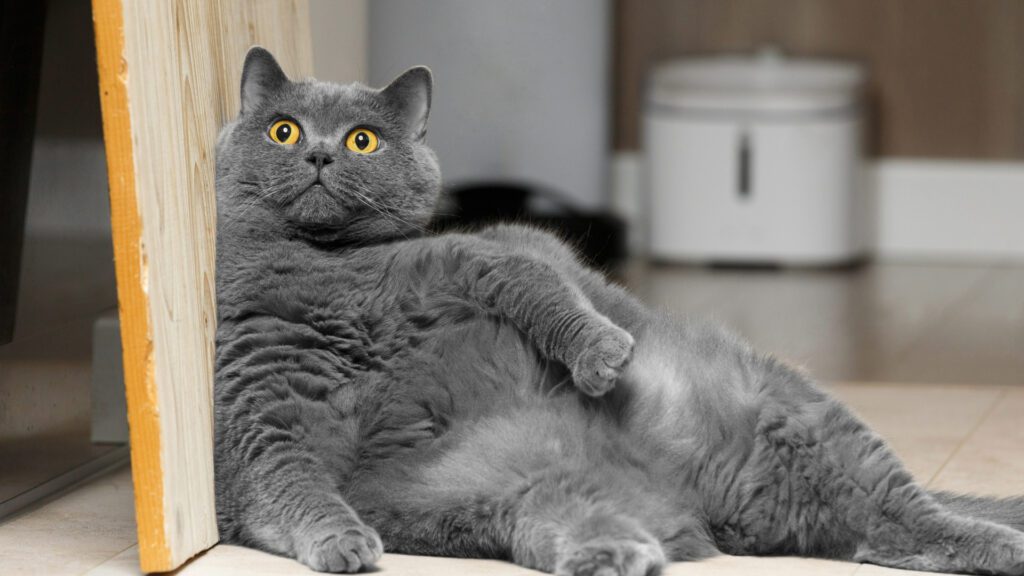
Recognizing what is obesity in cats, spotting rapid weight gain, knowing the female cat weight kg, and confronting the obesity in cats causes are essential to prevent disease in an obese feline. This complete guide explores recognition, causes, prevention strategies, and how Alvid Pet supplements—Skin Well Pet Syrup, Multihit Pet Syrup, and Vrikklin Pet—support weight management and overall wellness.

1. What Is Obesity in Cats?
Obesity in cats occurs when a cat’s body fat exceeds normal levels—typically when body condition score surpasses ideal by 20% or more. A typical healthy adult female cat weighs around 4 to 4.5 kg. Anything significantly above this, especially accompanied by cat rapid weight gain, should raise concern.
2. Average Female Cat Weight (kg) & Identifying Rapid Gain
The average female cat weight kg is about 4 to 4.5 kg for domestic short-haired breeds. If your cat gains more than 1kg within weeks or fails to slim down despite diet changes, that indicates cat rapid weight gain and potential obesity. Go beyond 5 kg without activity, and you likely have an obese feline on your hands.
3. Obesity in Cats Causes
Understanding obesity in cats causes is key to prevention:
- Overfeeding: Free feeding and high-calorie treats contribute heavily to weight gain.
- Sedentary Lifestyle: Indoor cats often lack adequate exercise.
- Age and Neutering: Metabolism slows, appetite increases post-spaying or in senior cats.
- Medical Conditions: Hypothyroidism, insulin resistance, or steroid use can accelerate fat accumulation.
- Breed Predispositions: Some breeds gain weight more quickly than others.
4. Recognizing an Obese Feline
Watch for these signs of obesity:
- Ribs are hard to feel under gentle pressure
- Lack of visible waistline when viewed from above
- Sagging abdomen or large belly
- Difficulty jumping or reluctance to play
- Persistent lethargy and reduced grooming

5. Health Risks of Cat Obesity
An obese feline is prone to:
- Diabetes mellitus
- Osteoarthritis
- Fatty liver (hepatic lipidosis)
- Weakened immunity
- Cardiovascular strain and limited lifespan
6. Preventing and Managing Obesity in Cats
Diet & Portion Control
Measure meals based on ideal body weight, reduce treats, and avoid free-feeding kibble.
Increase Play and Activity
Use wand toys, laser pointers, climbing structures, or puzzle feeders to encourage movement.
Gradual Weight Loss
Reduce caloric intake by 10–20% and aim for 1–2% weight loss per week, tracking progress.
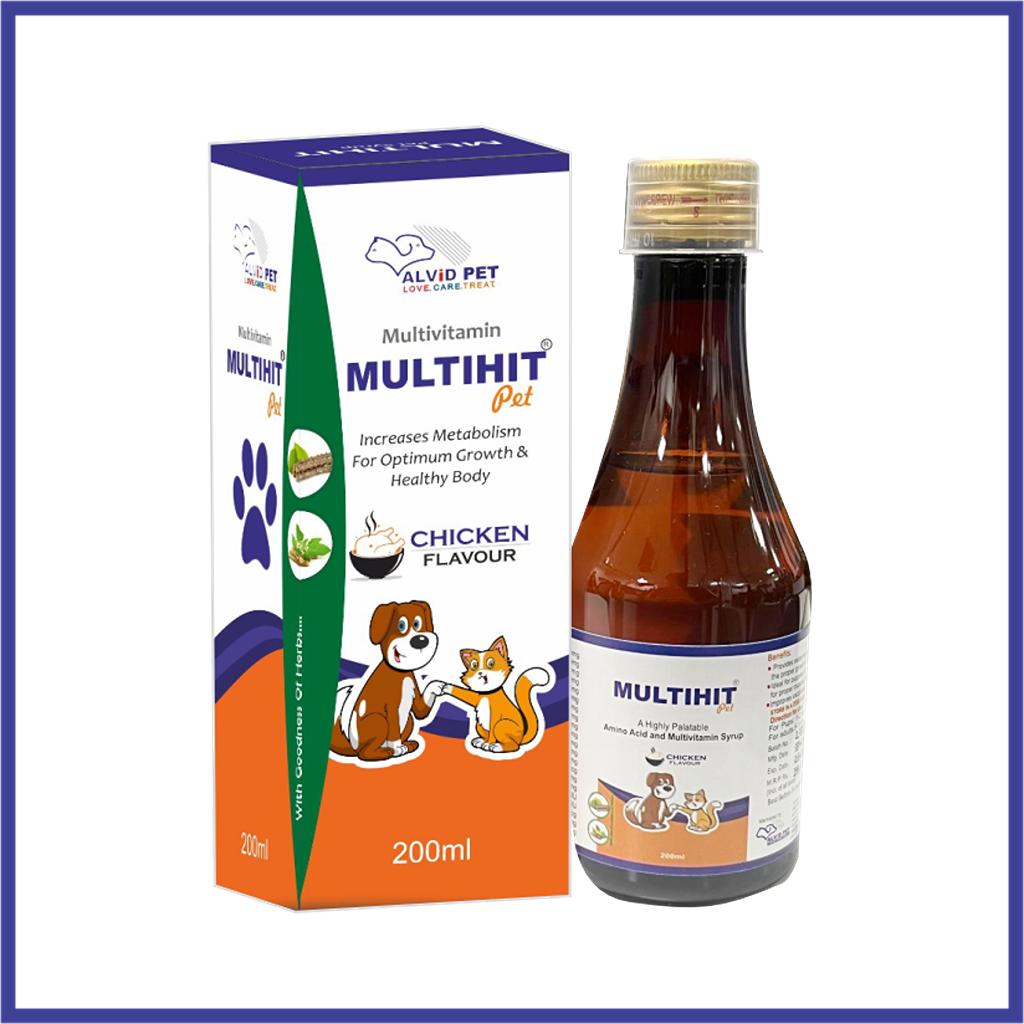
7. Alvid Pet Supplement Support
While not weight-loss substitutes, Alvid Pet supplements can aid wellness during obesity management:
- Multihit Pet Syrup: Immune-supportive formula to maintain vitality during calorie restriction.
- Skin Well Pet Syrup: Promotes skin and coat health, especially during reduced grooming.
- Vrikklin Pet: Supports digestion and respiratory comfort in overweight cats.
Follow veterinary guidance when integrating these into a regimen for an obese feline.
8. When Rapid Weight Gain Signals Trouble
Seek veterinary advice if you notice:
- Over 0.5 kg gain in 2–3 weeks for an adult cat
- Appetite remains low while weight increases
- Sudden belly gain, age-related insulin resistance, or fluid retention
Tests like blood panels, thyroid checks, or ultrasound may be necessary.
9. Sample Weight Management Plan
| Phase | Action |
| Weeks 1–2 | Begin reduced portion feeding; start short daily play sessions |
| Weeks 3–8 | Monitor weekly weight; introduce daily interactive play; add climbing toys |
| Weeks 3–8 | Begin supplement Multihit Pet Syrup to support energy metabolism |
| Weeks 9–12 | Continue gradual weight reduction; use Skin Well Pet Syrup for coat and skin health |
| Ongoing | When digestion slows or the cat shows occasional lethargy, supplement with Vrikklin Pet |
10. Special Situations
Kittens & Young Cats
Rapid weight gain in kittens should be monitored; avoid overfeeding while ensuring proper growth.
Senior Cats
Older cats with slower metabolism require cautious diet and vet monitoring to prevent weight-related complications.
Multi-Cat Households
Portion control and meal monitoring help ensure one cat isn’t overeating. Use designated feeding stations if necessary.
Summary
Obesity in cats is a serious, common condition. With cat rapid weight gain monitored against average female cat weight kg, early detection and intervention can reverse or prevent an obese feline scenario. Identify obesity in cats causes, implement portion-controlled diet and play routines, and support overall wellness using Multihit Pet Syrup, Skin Well Pet Syrup, and Vrikklin Pet from Alvid Pet. Regular veterinary guidance ensures safe, sustainable weight loss and enhanced vitality. With diligence and support, most cats can return to healthy weight, mobility, and longer lifespan.