

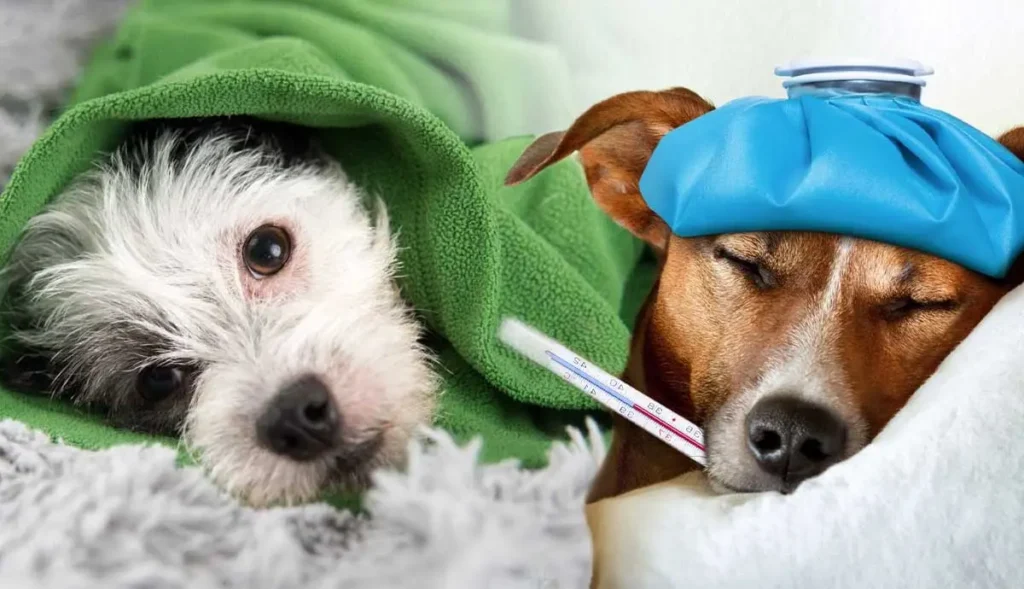
We all know the discomfort of a human cold—but pets can feel poorly, too. If you’re asking how to know your pet has cold, what signs to watch for in your cat’s sniffles, or simply wondering do dogs get colds, this guide is for you. We’ll explore colds in dogs symptoms, cat sniffles symptoms, how to spot when your pet is unwell, and what home care or veterinary-led dog cold treatment or cat cold treatment works best. Throughout, Alvid Pet provides reliable support for your pet’s comfort and recovery.
1. Do Dogs Get Colds – And How to Know Your Dog Has a Cold?

Yes, dogs can develop respiratory infections that mimic human colds—but they don’t get our cold viruses directly. Understanding do dogs get colds helps clarify what’s happening.
- Dogs are susceptible to canine respiratory viruses such as canine adenovirus type 2, parainfluenza, and canine respiratory coronavirus. These trigger symptoms similar to colds in humans
- How to know if your dog has a cold: watch for sneezing, watery or runny nose, coughing, mild fever, lethargy, and decreased appetite.
- Sneezing bouts, nasal discharge, eye discharge, retching or hacking coughs especially after excitement—these are hallmark colds in dogs symptoms.
If your dog shows these signs, monitor closely and offer supportive care while keeping them isolated from other dogs until symptoms resolve.
2. Cat Sniffles: What They Mean & How to Spot Symptoms
Cats can also experience upper respiratory infections, frequently called cat sniffles.
- Cat sniffles symptoms include sneezing, runny nose, watery eyes, nasal congestion, mild fever, decreased appetite, and occasional coughing or mouth ulcers.
- How to know your pet has cold (cat): observe signs like sniffles, sneezing, nasal and ocular discharge, fatigue and sniffles recurring over a few days should raise suspicion
Cats often lose their appetite due to decreased smell. Keeping food slightly warmed can stimulate their interest and support recovery.
3. Why Pets Get Colds & How They Catch Them
Respiratory illnesses in pets are typically caused by species-specific viruses or bacteria.
- Dogs catch respiratory viruses via airborne droplets or contaminated surfaces—places like kennels or grooming salons are high-risk for kennel cough or canine flu .
- Cats contract feline URIs via close contact, contaminated bedding or bowls—common agents include feline herpesvirus and calicivirus.
- Since most viruses are species-specific, humans do not pass colds to pets; likewise, infected pets don’t transmit those viruses to us.
4. How to Know Your Pet Has a Cold: Detailed Symptom Checklist
For Dogs:
- Frequent sneezing and nasal discharge
- Persistent hacking cough or retching
- Watery eyes and congestion
- Mild fever, lethargy, or reduced energy
- Loss of appetite or slower activity levels
For Cats (Cat Sniffles Symptoms):
- Repeated sneezing and sniffles
- Runny nose and watery eyes
- Nasal congestion or blocked nose
- Mild fever, lethargy, reduced appetite
- Rare but possible coughing or mouth ulcers with calicivirus
If symptoms persist for more than 4 days or worsen—especially in kittens, seniors, or immunocompromised pets—seek vet attention.
5. Dog Cold Treatment & Cat Cold Treatment: At-Home and Veterinary Care
At-Home Support (Mild Cases):
- Keep water available and encourage hydration
- Warm wet food to enhance smell and appetite
- Use humidifier or steamy bathroom to ease congestion
- Gently wipe nasal and eye discharge with a warm, damp cloth
- Provide rest in a comfortable, warm area
- Isolation from other pets to prevent spread
When Veterinary Care Is Needed:
- Persistent or worsening symptoms after 4 days
- Difficulty breathing, refusal to eat, or lethargy
- Signs of pneumonia, dehydration, or severe infection
- Severe cat URI or dense cough in dogs needing antibiotics or antiviral medication
Your vet may prescribe antibiotics if a secondary bacterial infection is suspected, eye drops for ocular symptoms, or antiviral agents for feline herpesvirus. Tests like chest x-ray or PCR may be ordered for severe or chronic cases
6. Alvid Pet Support: Supplements for Wellness During Recovery
While Alvid Pet does not cure colds directly, its wellness products support immune resilience during recovery:
- Alvikof Pet: Supports immunity and recovery; natural formulation aids strength and stress relief during illness.
- Calvimax Pet Syrup: Rich in minerals and vitamins to support nerve and muscle function, helping restore appetite and vitality.
- Hepoferrol Pet Syrup: Iron‑rich syrup that helps correct mild anemia or fatigue and supports metabolic recovery in pets under stress.
Used under professional guidance, these gentle supportive supplements help pets regain strength during dog cold treatment or cat cold treatment phases.
7. Prevention & Long-Term Health
To reduce recurrence and protect from contagion:
- Keep vaccinations current—especially for kennel cough in dogs and feline URI in cats.
- Practice hygiene: clean food bowls, bedding, toys if pet becomes ill. Limit stressful contact environments.
- Maintain immune health: balanced diet, regular exercise, appropriate supplements.
- Schedule routine vet checks to monitor and prevent respiratory disease in vulnerable pets.
Early detection and proactive wellness are key.
8. Monitoring & When to Return to the Vet
Recheck or emergency vet visit recommended if:
- No improvement or worsening after 4–5 days
- Increased coughing, hacking, difficulty breathing
- Blood-tinged nasal discharge or coughing
- Refusal to eat, drink, or extreme lethargy
- Dehydration, fever, or distress signs
Vet may prescribe antibiotics, antivirals, supportive IV fluids, or hospital care for severe conditions.
| Pet Type | How to Know Pet Has Cold | Common Symptoms | Home Care Steps | Vet-Suitable Signs | Support Supplements (Alvid Pet) |
| Dogs | Monitoring sneezing/cough | Sneezing, runny nose, cough, watery eyes, lethargy | Fluids, humidifier, rest, warm food | Worsening cough, no appetite, breathing trouble | Alvikof Pet; Calvimax; Hepoferrol |
| Cats | Cat sniffles, runny nose | Sniffles, watery eyes, nasal discharge, mild fever, decreased appetite | Warm food, wipe discharge, humid air, cozy space | No improvement in 4 days; severe flow or cough | Same Alvid Pet supplements |
Conclusion
Understanding how to know your pet has cold—whether in dogs or cat sniffles symptoms—is key to providing timely care. Though dogs do get colds, they differ from human colds. Observe coughing, sneezing, lethargy, and eye or nasal discharge as telling signs. For dog cold treatment and cat cold treatment, supportive care at home can suffice in mild cases, while persistent or worsening symptoms call for veterinary diagnostics and potentially prescription medications.
Throughout recovery, supportive supplements from Alvid Pet—such as Alvikof Pet, Calvimax Pet Syrup, and Hepoferrol Pet Syrup—help restore wellness and resilience. With attentive observation, ongoing care, and occasional medical intervention, most pets recover within a week or two.
If you’re ever uncertain, consulting your veterinarian is always the best route. Trust in Alvid Pet to help your companion breathe easier, eat better, and regain vitality when the sniffles strike.