

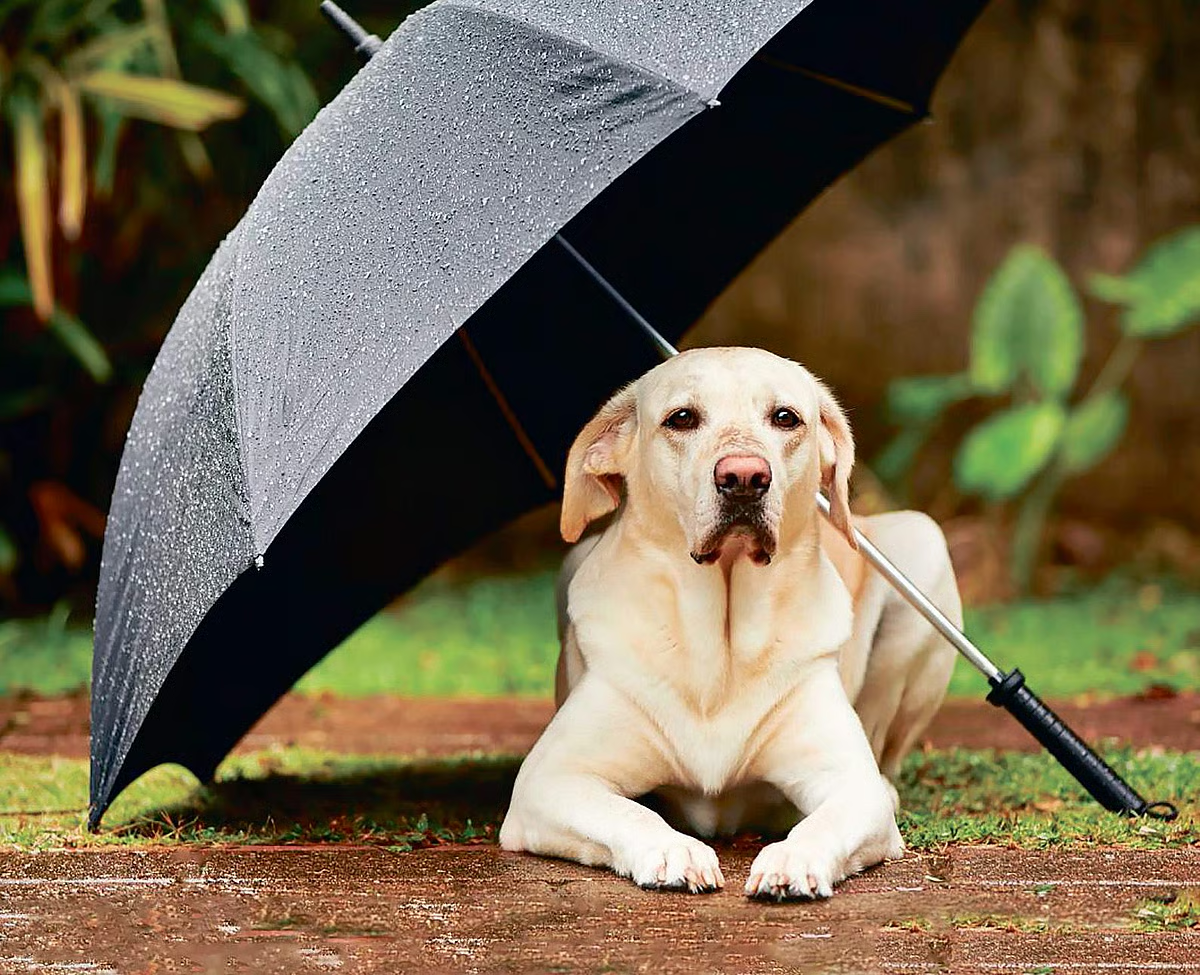
Wet weather brings joy—but it also introduces unique challenges for dogs. High humidity, muddy ground, and persistent dampness can increase the risk of skin infections, parasites, and discomfort. Caring for dogs during the rainy season requires targeted hygiene and health strategies. This guide covers everything from how to keep dog paws clean to protect from skin infections in monsoons, offering practical tips for dog care in monsoon to safeguard your pet’s happiness and health. Alvid Pet supports your journey with safe guidance.
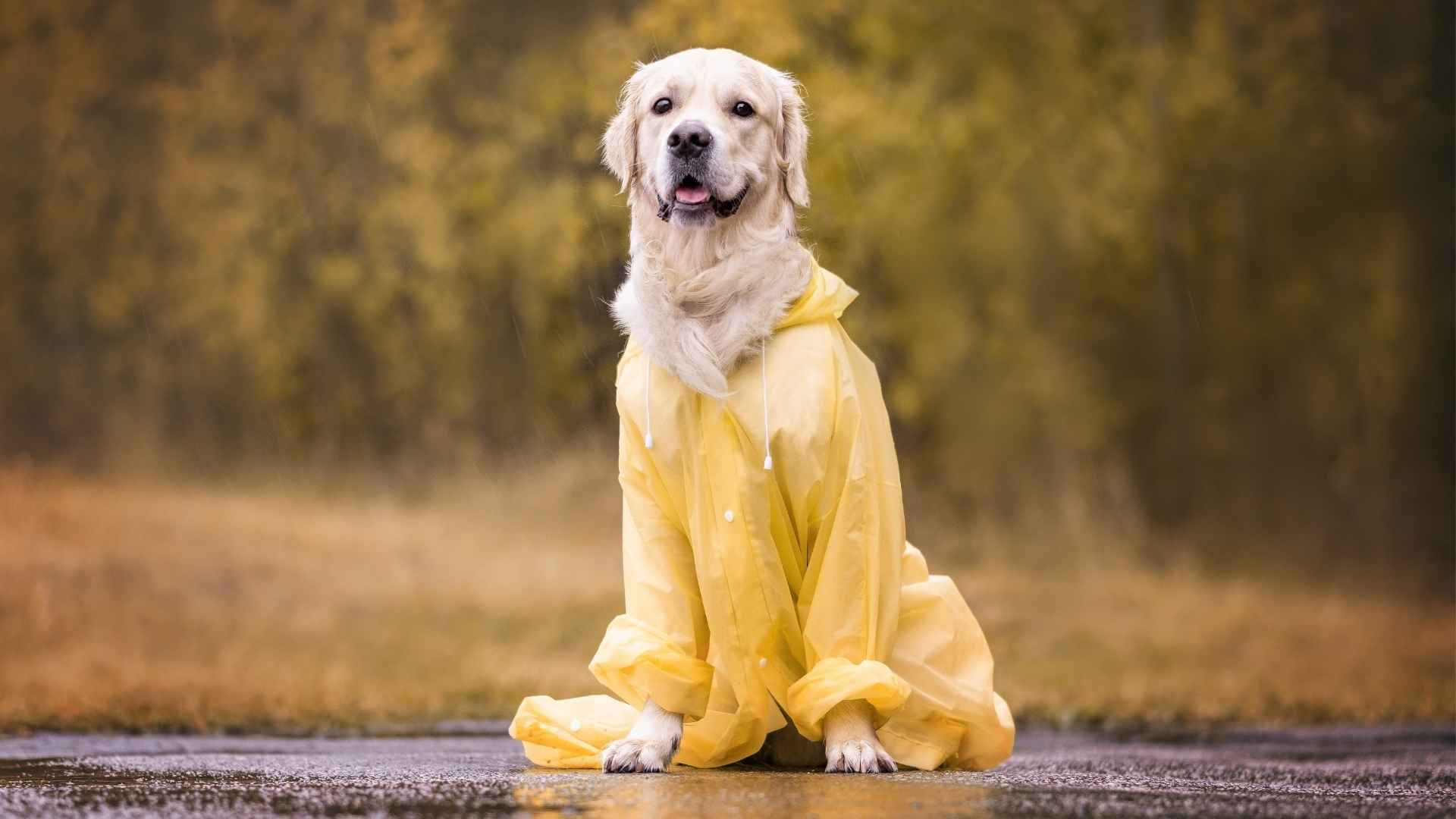
1. How to Keep Dog Paws Clean
Your dog’s paws are the first point of contact with contaminated ground during monsoon marathons. Here’s a step-by-step hygiene routine:
- Wipe paws after every outdoor walk with a clean towel or damp cloth—before leashing removal, if trained like many owners do.
- Inspect between paw pads for mud, debris, or infection signs—constant moisture can lead to yeast growth or pododermatitis, which emits a corn-chip odor.
- Trim fur around paw pads to minimize tangled mud and help quicker drying.
- Optionally, apply a protective paw balm or wax suitable for wet conditions to create a hydrophobic barrier that helps keep paws clean and dry.
- Consider rain boots designed for dogs, but only if your dog tolerates them. Booties also protect paws from dirt and infection-causing agents.
These practices form the foundation of how to keep dog paws clean during monsoon.
2. How to Maintain Hygiene for Dogs in Monsoon
Damp, humid air is a prime breeding ground for bacteria and fungi. Implement these hygiene measures:
- After outdoor activity, use a dry towel or pet drying glove to thoroughly towel-dry their fur—especially underbelly, ears, and paws—preventing trapped moisture that leads to skin infections.
- Bathe only when necessary using a mild, dog-friendly shampoo. Ensure complete rinsing and drying, focusing on skin folds and wet-prone areas.
- Brush your dog’s coat regularly to remove loose hair and prevent matting or fungal growth underneath the coat.
- Clean ears gently—moisture in ear folds can cause ear infections, especially in floppy-eared breeds.
- Wash and dry dog bedding often. Using waterproof liners and ventilating the area reduces mold risk and dampness-related issues.
- Disinfect dog toys and surroundings regularly to maintain a clean environment and minimize pathogen buildup.
These cover key steps for how to maintain hygiene for dogs in monsoon.
3. How to Keep Dogs Healthy Monsoon-Wise
Monsoon changes can affect health via nutritional shifts, parasite exposure, and infection. Keep dogs healthy by following these wholesome routines:
- Monitor diet closely—offer easily digestible food, avoid spoiled or wet kibble prone to mold, and keep fresh water always available to prevent dehydration or waterborne illnesses.
- Maintain parasite control: monsoon increases flea, tick, and intestinal worm risk. Regular deworming and vet-recommended parasite prevention are essential.
- Schedule vet visits early in the season to check skin, coat, and overall health—early detection prevents escalation of monsoon-related conditions.
- Keep your home well-ventilated to reduce indoor humidity and discomfort for your pet.
These are key points on how to keep dogs healthy monsoon season. 
4. Protect from Skin Infections in Monsoons
Repeated exposure to moisture can trigger dermatitis, fungal infections, and hot spots. Use hygiene to stave off illness:
- After every outdoor walk, ensure paws and underbelly are completely dry before returning inside.
- As a precaution, use anti-fungal powder or spray in prone areas (e.g., armpits, groin), especially if redness or itching appears.
- If skin irritation occurs, schedule vet consultation promptly rather than self-treating, to avoid worsening infections.
- Use fragrance-free wipes or mild skin cleansers suitable for dogs to gently clean damp skin zones—not cosmetics or perfumed products.
These measures form part of hygiene to avoid infection and protect from skin infections in monsoons.
5. Tips for Dog Care in Monsoon: Exercise & Mental Wellbeing
Monsoon disruption can make dogs restless—so follow these tips for dog care in monsoon:
- Opt for short, frequent walks during breaks in rain rather than long excursions. Avoid heavy downpours and slippery areas.
- Encourage indoor exercise—interactive toys, fetch in hallways, or puzzle feeders can maintain mental stimulation.
- Offer cozy indoor zones with ventilated air circulation—wet weather can stress dogs, so create a calm den with bedding and familiar toys.
- Monitor for anxiety or stress during thunderstorms. Provide distraction, comfort, and if needed, consult your vet for safe calming options—not sedation without recommendation.

6. Guarding Against Specific Health Risks

Fungal and Bacterial Infections
Signs include redness, odor, persistent licking, or inflamed paws. Prompt action prevents spread.
Parasites
Ticks and fleas thrive in humid seasons. Regular spot checks and vet-approved preventives help reduce infestation risk.
Respiratory Conditions
Kennel cough or pneumonia may emerge in damp conditions. Avoid stagnant water and ensure good airflow indoors.
Paw Pad Damage
Moisture and mud can cause blistering or sore paws. Dry clean post-walk, trim pads, and use balm to cushion and protect.
7. Daily Hygiene Routine Example
Time of Day | Action |
Morning walk | Wipe paws, ensure coat mostly dry, indoor exercise if raining |
Post-walk | Clean and dry paws, belly, and ear folds |
Midday grooming | Brush coat, check for moist spots, compress hair between toes |
Evening cleaning | Towel-dry wet fur, inspect for irritation, redo paw cleaning |
Night bedding check | Replace/air dry bedding if damp |
Indoor activity | Stimulate play and mentally engage in low-activity games |
Weekly hygiene | Clean toys, wash bed linen, disinfect area with pet-safe agent |
This routine supports how to keep dogs healthy monsoon and maintains hygiene to avoid infection.
8. Boosting Immunity and Resilience
Support your dog’s natural defenses:
- Ensure a balanced diet with omega fatty acids, vitamins, and minerals tailored for immune health—consult your vet.
- Offer hydration-rich treats like homemade broths or water-rich snacks to maintain fluid intake during humid season.
- Consider immunity-support supplements if recommended by a veterinary professional.
Final Thoughts
Monsoon season demands more deliberate pet care: from understanding how to keep dog paws clean to fighting skin infections and keeping energy levels balanced indoors. By prioritizing cleanliness, protective routines, and proper nutrition, you ensure your dog stays vibrant through the wettest months. Gentleness, vigilance, and timely vet support keep them happy and healthy.
Through focusing on hygiene to avoid infection, how to maintain hygiene for dogs in monsoon, and tips for dog care in monsoon, you empower your pet to thrive in damp weather. For expert guidance and reliable pet wellness support, trust in Alvid Pet to help you care for every aspect of your dog’s monsoon health.