

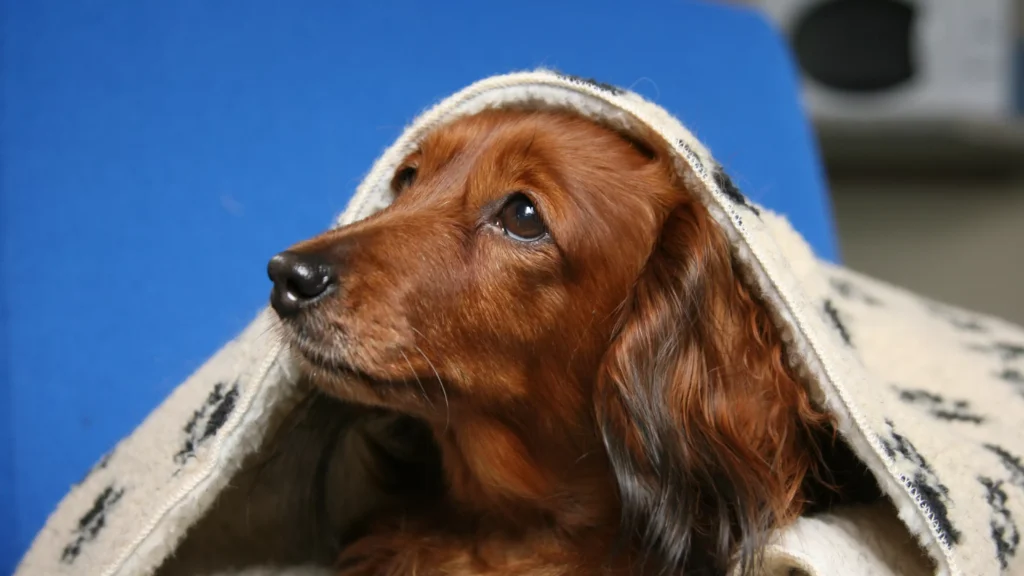
Thunderstorms can be traumatic for many pets—thunder rumbles, lightning flashes, strong gusts, and sudden changes in pressure all contribute to distress. This guide focuses on Managing Pet Anxiety, exploring Why Do Pets Get Anxious During Thunderstorms, offering practical guidance on what to do with a scared pet in a thunderstorm. It also includes pet-safe product support from Alvid Pet, including Alvikof Pet, Calvimax Pet Syrup, and Hepoferrol Pet Syrup.

1. Why Do Pets Get Anxious During Thunderstorms
Heightened Hearing and Sensitivity
Pets—especially dogs and cats—have acute hearing. Thunder emits frequencies and volume far beyond human perception, triggering fear responses. The shake of shockwaves and pressure changes adds to their discomfort.
Visual and Atmospheric Triggers
Lightning flashes and ensuing darkness, drops in barometric pressure, wind gusts, and shifting air patterns signal danger to animals. In response, they often seek shelter or hide.
Past Experiences and Learned Fear
Pets that previously encountered storms linked with discomfort—such as vet visits or environmental stress—may form negative associations. These learned fears compound anxiety in future storms.
Lack of Control
Unlike humans, pets can’t understand the source or duration of storms, evoking a helpless reaction. That inability to control their physical surroundings deprives them of a calming context.
Understanding Why Do Pets Get Anxious During Thunderstorms helps pet parents empathize and establish tailored calming strategies.
2. What to Do with a Scared Pet in a Thunderstorm
When facing what to do with a scared pet in a thunderstorm, a structured plan helps reduce anxiety and provide safety.
Create a Safe Zone
Designate a quiet, dimly lit room away from windows with minimal echo (such as a closet, basement, or internal bathroom). Line it with familiar bedding, toys, calming items, and your voice. Encourage your pet to go there before or during storms.
Use Sound and Visual Masks
To block noise, draw curtains, play white noise or calming music, and consider using a fan or air conditioner to maintain steady airflow. This helps drown out thunder and create a consistent ambiance.
Stay Calm and Reassuring
Pets absorb our energy. Use a soothing voice, slow movements, and offer calm presence. Avoid over-coddling, which can reinforce panicked behavior; instead, mingle calm reassurance with predictable comfort.
Interactive Distractions
Offer gentle toys, puzzle feeders, or chewables. Activities that engage their mind draw focus away from fear triggers. For anxious cats, fishing-pole toys or catnip may help; for dogs, long-lasting treats or low-energy enrichment puzzles are helpful.
By focusing on what to do with a scared pet in a thunderstorm, you help them associate storms with predictability and calm.
3.How Do You Calm a Pet During a Thunderstorm?
Here are evidence-based techniques to answer how do you calm a pet during a thunderstorm.
Thundershirt-Type Wrap or Gentle Pressure
Firm pressure wraps or anxiety shirts provide comfort by mimicking light pressure therapy. This method helps reduce cortisol and increases serotonergic activity—effective in many pets.
Scent-Based Comfort
Use your worn t-shirt or blanket in the safe zone to provide familiar scent. Synthetic pheromone sprays or diffusers (vet-prescribed) can also reduce restlessness in some pets.
Behavioral Conditioning Over Time
Gradual desensitization training—playing storm sounds at low volume while rewarding calm behavior—can help pets become less reactive. Over sessions, slowly increase volume and duration paired with treats or affection.
Safe Supplement Support
Under veterinary guidance, supportive calming supplements may ease acute anxiety during storms. Products from Alvid Pet, such as Alvikof Pet, can help calm nerves naturally. Always follow label instructions per weight and age.
These methods form part of a multi-layered protocol to answer how do you calm a pet during a thunderstorm.
4. Daily Support: Alvid Pet Product Role
Even when storms are days away, long-term pet wellness helps reduce storm-based anxiety. Alvid Pet offers trusted products to support resilience:
Alvikof Pet
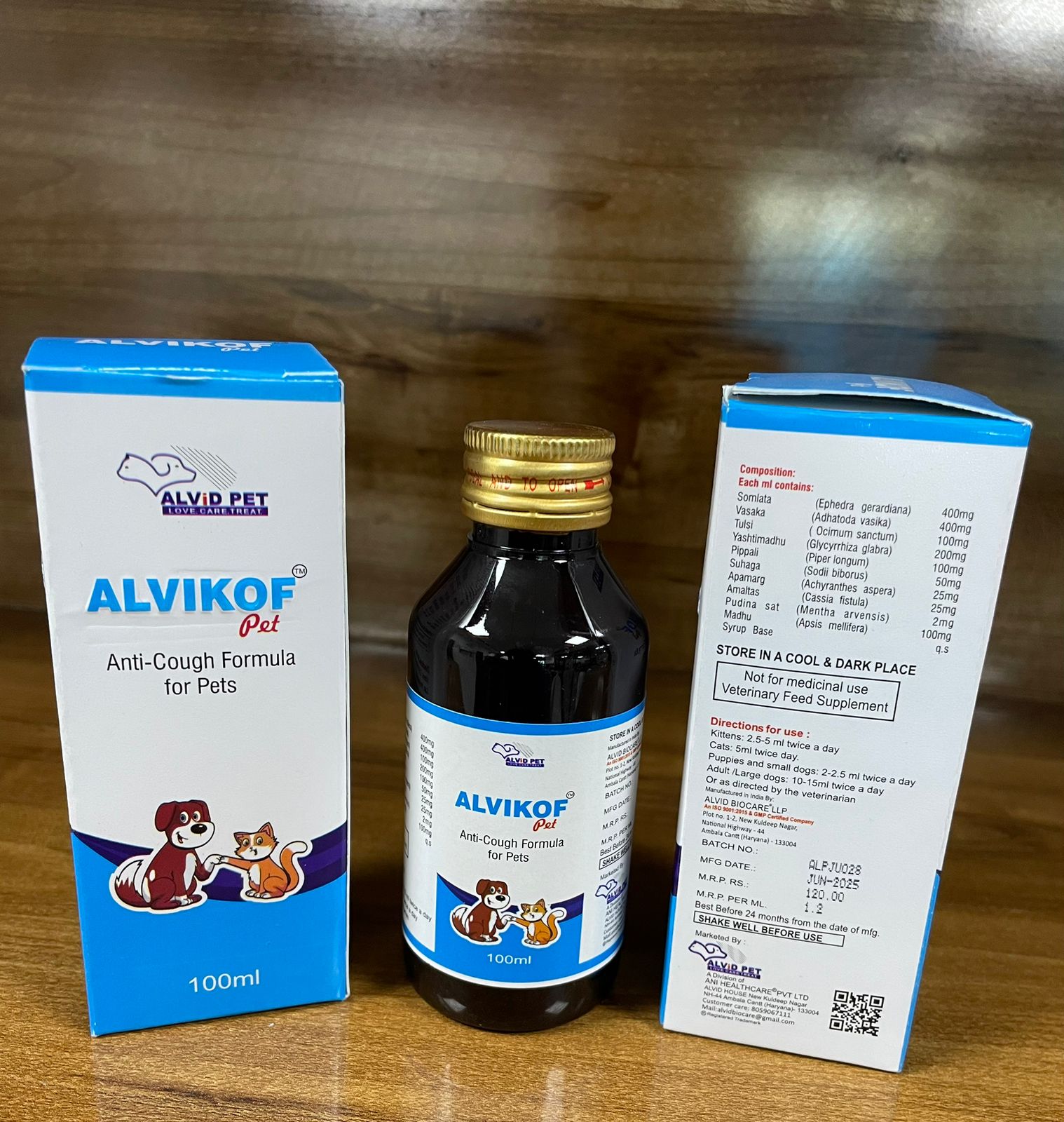
A herbal-based calming supplement formulated to support mental tranquility in pets. When used proactively, it helps regulate stress hormones and maintain emotional balance, making the storm experience less intense.
Calvimax Pet Syrup
This mineral-based tonic supports nerve and muscle function, providing gentle stress support and contributing to emotional stability when taken regularly—particularly helpful before and during storm seasons.
Hepoferrol Pet Syrup
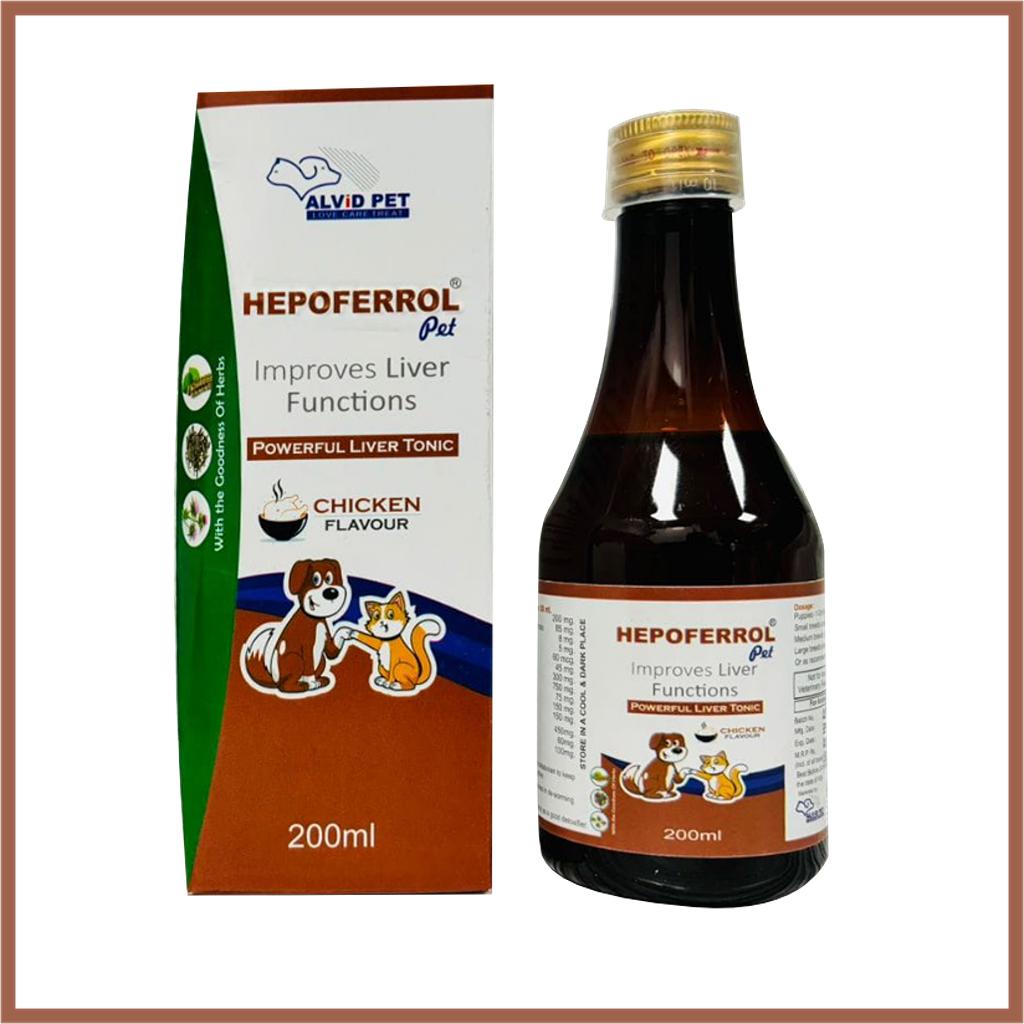
Rich in iron and B‑vitamins, Hepoferrol Pet Syrup helps counter fatigue and nutritional stress—pets lacking in energy may show aggravated anxiety. For pets that suffer from lethargy or weakness, maintaining healthy iron levels supports overall calm.
These products enhance baseline well‑being and make Managing Pet Anxiety During Thunderstorms more manageable.
5. Combining Behavior, Routine & Product Use
A storm management plan works best when combining behavior management, calming routine, and supplement support:
Pre-Storm Rituals
Begin early: on sunny days, use mock practice sessions—play low-volume storm sounds, reward calm staying in the safe zone, offer chewable treats or interactive puzzles, follow with Alvikof Pet chew or supplement dose.
During Storms
At storm onset, move your pet into their safe zone. Offer chew treats or puzzle toys, keep lighting soft, and play steady background noise. Speak softly, and if your vet recommends, administer Alvikof Pet as directed.
Post-Storm Recovery
Pets may remain edgy even after thunder passes. Offer hydration, a restful environment, and continue with Calvimax Pet Syrup or Hepoferrol Pet Syrup as per supplementation schedule to restore calm and vitality.
This structure supports both Managing Pet Anxiety During Thunderstorms and holistic resilience.
6. Training and Long-Term Desensitization
Sound Desensitization
Gradually acclimate pets to recorded storm sounds during low-stress times. Combine sound sessions with positive associations—treats, cuddles, toys. Slowly raise the volume over weeks, never overwhelming.
Counterconditioning
If your pet trembles or seeks hiding spots when thunder is mentioned, immediately offer a high-value treat or favorite toy. This helps change the emotional response from fear to willingness to go to the safe zone.
Reinforcement of Safe Zone Behavior
Initially entice the pet into the safe place with bedding and treats. Reinforce repeatedly—especially before storms—so they see it as a place of safety, not confinement.
Structured training reinforces what to do with a scared pet in a thunderstorm and helps them self-regulate fear.
7. Environmental Strategies to Reduce Anxiety
Blackout Curtains or Window Covers
Block visual flashes using thick curtains to reduce lightning stress. Keep storms less visible to anxious pets.
Soft Light and Sound Masking
Use softly-lit lamps and steady background noise like fans, air purifiers, or white noise machines to maintain comfort and drown thunder.
Safe Zone Location Selection
Choose a space with minimal external vibration—basements or interior rooms with fewer windows. Keep favorite items here to help your pet voluntarily seek refuge.
8. Signs to Watch: When Anxiety Becomes Extreme
Sometimes, pet anxiety escalates into dangerous behaviors:
- Trembling, shaking, or panting
- Hiding, freezing, pacing, or destructive behavior
- Loss of appetite or refusing treats
- Vocalizing nervously—whining, barking, or meowing
- Escaping or trying to flee
When behaviors intensify or endanger your pet, consult your veterinarian. They may recommend customization of Alvikof Pet dosage or a safe prescription to support acute management.
9. Why Nutrition and Health Matter
Underlying health issues can magnify storm anxiety:
- Low iron or anemia can heighten nervousness or lethargy—Hepoferrol Pet Syrup offers iron supplementation to support energy and mood.
- Nutrient deficiencies, vitamin imbalances, or dehydration can impair emotional stability—Calvimax Pet Syrup helps restore mineral support crucial to neurological health.
Maintaining wellness makes Managing Pet Anxiety During Thunderstorms more effective.
Wrapping Up: Managing Pet Anxiety During Thunderstorms
Managing pet anxiety during storms calls for emotional empathy, routine intervention, and smart support. Understanding Why Do Pets Get Anxious During Thunderstorms guides your choice of tools—safe spaces, sound masking, and behavior training. Knowing what to do with a scared pet in a thunderstorm means anticipating their triggers and guiding them calmly into safe routines.
Whether it’s intermittent rain or the full roar of thunder, equipping your pet with coping strategies—combined with environmental control, positive conditioning, and health supplementation—makes Managing Pet Anxiety During Thunderstorms truly effective. With patience, empathy, and consistent practice, your pet learns to weather storms with greater ease.
Trust the power of preparation, calm routines, and reliable support from Alvid Pet to help your pet face stormy skies with confidence and well-being