


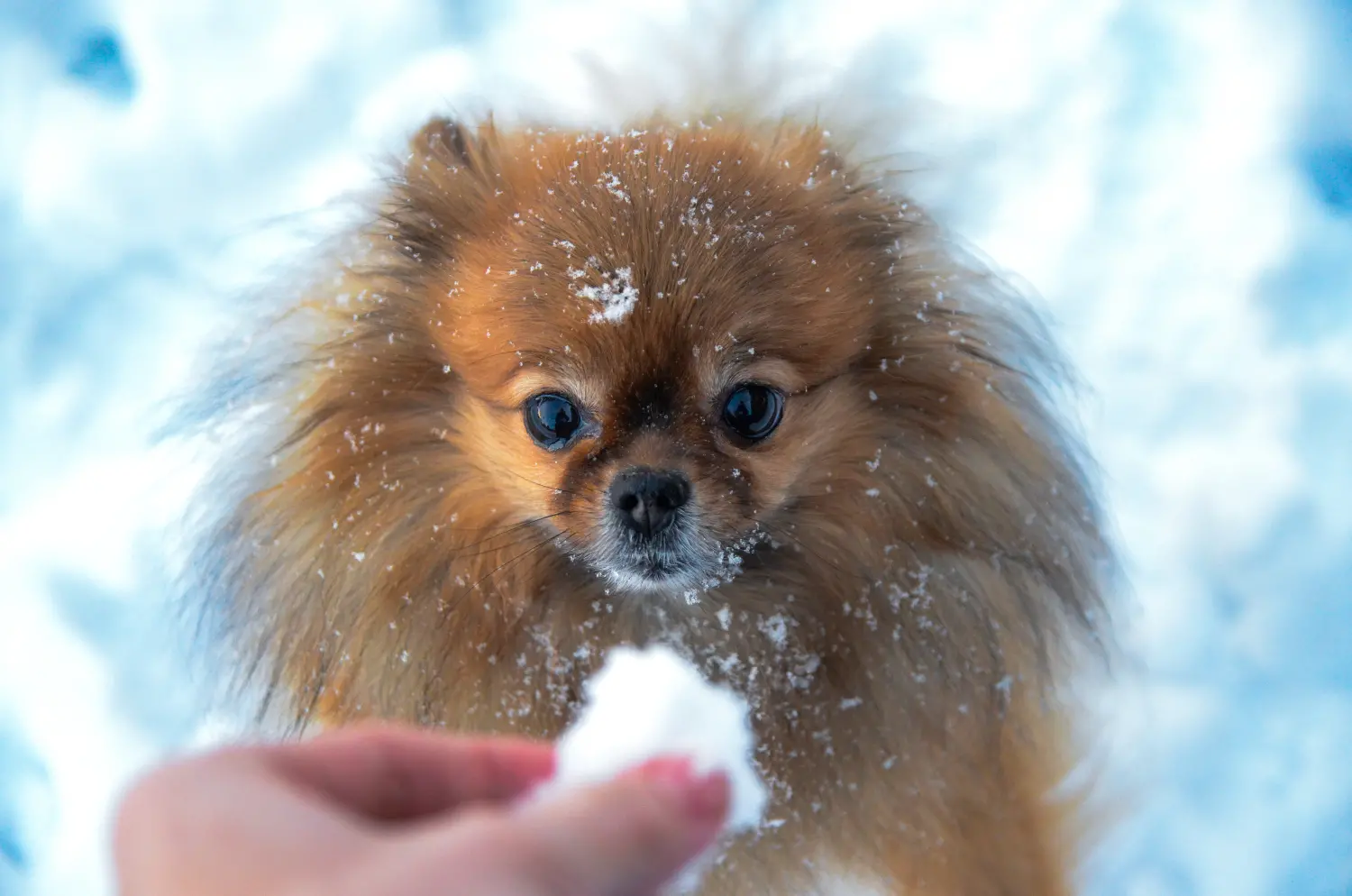
As winter approaches, we think of cosy memories with warm drinks and good company, but for pets, winter can pose several hidden health risks. As temperatures drop and activities outdoors are limited, pets immune systems can weaken, making them even more susceptible to illness. While many pet parents try to remedy the issue after it’s too late, seasonal health problems are an issue for pets too. For pet parents, knowing the possible health problems winter can bring helps them address them quickly so that health problems are an issue of the past. In this blog, we will cover how to not only identify but also prevent Winter Illnesses In Pets over the winter, including their symptoms.
1. Pets and Respiratory Infections
Pets are and will always be cavity dwellers, and with the holidays rolling around, more and more family and friends will want to join in the festivities, and we will want to make sure our pets are with us. Like us, pets can also get respiratory infections, and the winter illnesses in pets plus crowds inside only support the spread of the different viruses. Gatherings can contribute to the spread of kennel cough and the flu.
There are different colds we can get as humans, but we must also realise that our animals can get sicknesses that mimic a human cold. Among the wide range of symptoms are watery eyes, runny noses, and the list goes on. Although respiratory infections are treatable, this is not the kind of winter illness any pet parent wants to experience with their pets.
Pets can get cold just like us, and while pets can be in the cold without serious risk to their health, we want to be mindful of and avoid situations where our pets will be with a crowd and the winter cold. We want to make sure we are relaxing the symptoms, but pets also need to get rest and be sure to not be out in the cold.
2. Hypothermia
The second reason for winter illnesses in pets is hypothermia. This condition takes place when a pet’s body temperature drops below normal due to cold weather. Pets who are small breeds, short-haired, very young, and very old are at greater risk.
Symptoms to watch for include shivering, weakness, and confusion. Other indicators are slow breathing and colder than normal paws and ears. If hypothermia is not treated, it can become life-threatening.
Prevention Tip.
Provide warm bedding and limit time spent outdoors during extreme cold. If it is very cold, pet sweaters and jackets can be used as well.
3. Frostbite
This serious condition is caused by the extreme cold damaging the skin and tissues. Skin and tissues can freeze. Ears, tails, paws and noses are common sites for frostbite to occur.
Look for pale or bluish skin and swollen areas. Warming areas may also be painful and may develop blisters. In serious cases, the affected areas can turn black.
Prevention Tip.
Be sure your pets are not left outside too long when it is freezing. After walks, be sure to dry their paws and check for cold injuries.
4. Arthritis and Joint Pain
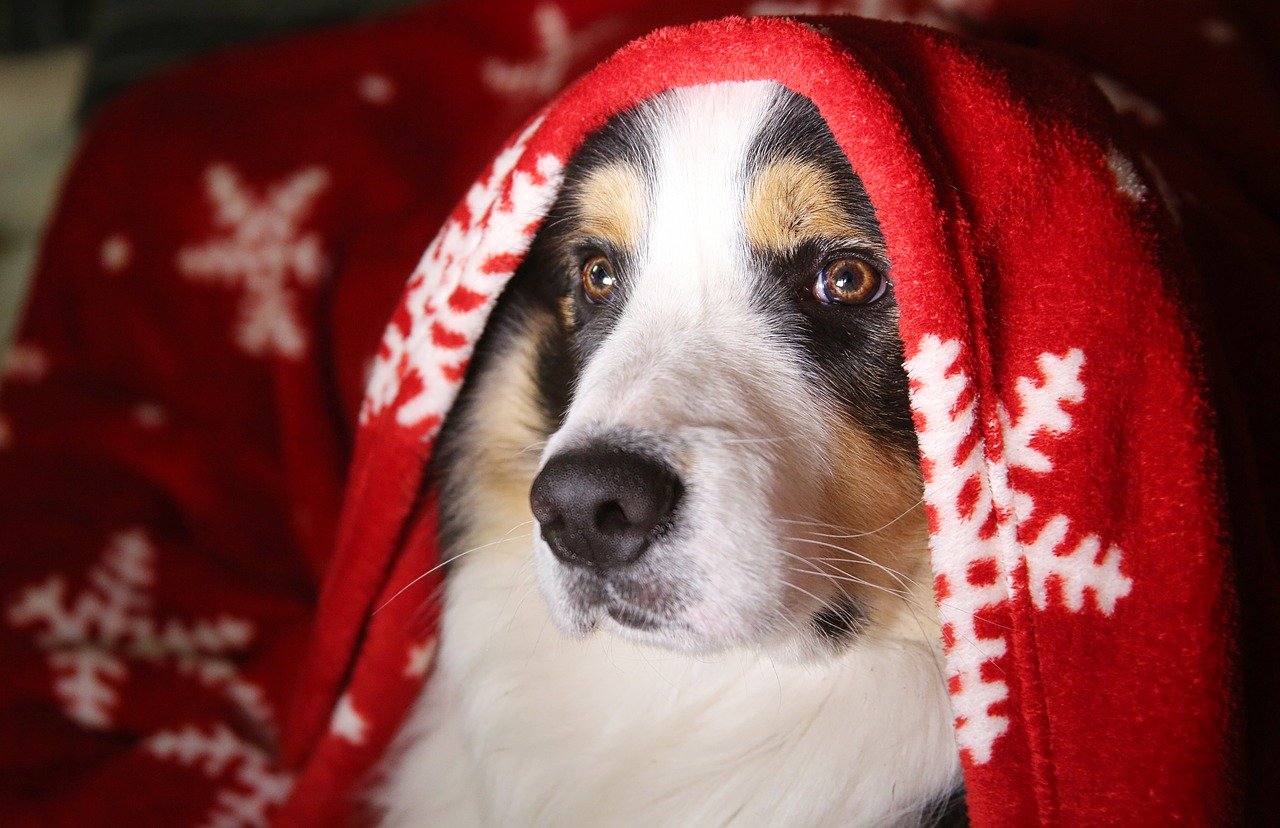
When it is cold outside, the joint pain of pets who have arthritis gets worse. With older dogs and larger breeds, many pets show greater stiffness and discomfort during winter.
Symptoms may include standing up, limping, and moving less overall. Some pets may not want to climb stairs, and may not want to jump.
Prevention Tip:
Daily exercise should be done in warm areas with soft beds. Make sure to talk to your vet about joint pain medication and supplements.
5. Dry Skin and Coat Problems
Winter skin issues can be a result of the winter air. Indoor heating combined with low humidity can result in flaky skin and dull coats.
Skin rashes and irritation are common in the winter and can often be mistaken for allergies. You can help with skin issues by paying attention to scratching and lifting, and noticing any extra coats your pet has.
Prevention Tip:
Your pet should not be bathed too often. You can pet safe hydrating shampoos to help in the winter. Make sure your pet has enough water.
6. Antifreeze Poisoning
Antifreeze is a deadly danger that winter brings. The sweet chemicals are appealing to animals. Antifreeze can cause damage to a pet’s organs and can result in death.
Prevention Tip:
Antifreeze should always be put away and any spills should be cleaned. You can also use a pet-friendly wipe after a walk.
7. Urinary and Digestive issues
Pets do not drink water as much in winter. This is also a reason behind Winter Illnesses In Pets. Less water can result in constipation and urinary tract problems. This is especially true for cats in the winter.
Signs may include straining to urinate, taking fewer bathroom trips, becoming constipated, or the litter box being used less frequently.
Prevention Tip:
Avoiding dehydration can be achieved by offering fresh, clean water and warm broths. You should monitor bathroom habits to stay on top of them.
:max_bytes(150000):strip_icc()/senior-lab-in-snow-163597513-2000-0c1557664af6429dbd28c10f218cb34b.jpg)
How to Protect Your Pet from Common Winter Illnesses
Protecting your pets from common winter illnesses does not take much. Just a little care will do.
- Keep your pet warm and dry at all times
- Provide a balanced diet to boost immunity
- Ensure regular vet check-ups
- Keep your pet dry and do not let them stay in the cold for a long time
- Maintain proper hydration
- Use pet-safe winter products
Keeping a few details in mind can greatly reduce the risk of suffering from winter diseases in pets
Conclusion
Winter is a time of year that can make the world feel beautiful. Winter is a time of year that is full of challenges for pets. Winter illnesses in pets, hypothermia and poisoning are all dangers that pets can be at serious risk of being exposed to from the dangers of winter. As a responsible pet owner, you should do your best to be able to identify the dangers your pets are exposed to.
Alvid Pet provides high-quality pet care products designed to help keep your pets healthy, warm, and protected during winter. When you make sure your pets are healthy and warm and provide them with balanced nutrition, you are sure to have a great time together during winter, and your pets stay safe from common winter illnesses.