

Choosing between raw food and kibble for dogs is one of the most debated topics in pet nutrition. This guide explores the kibble vs raw food debate, answering questions like is raw food better for dogs than kibble, What kibble is best for dogs, especially in the Best kibble for dogs India market, and options like kibble for dogs with sensitive stomachs. It also highlights how Alvid Pet supplements—Skin Well Pet Syrup, Multihit Pet Syrup, and Vrikklin Pet—can support wellness regardless of the diet choice.

1. The Kibble vs. Raw Food Debate
What is Kibble and Raw Food?
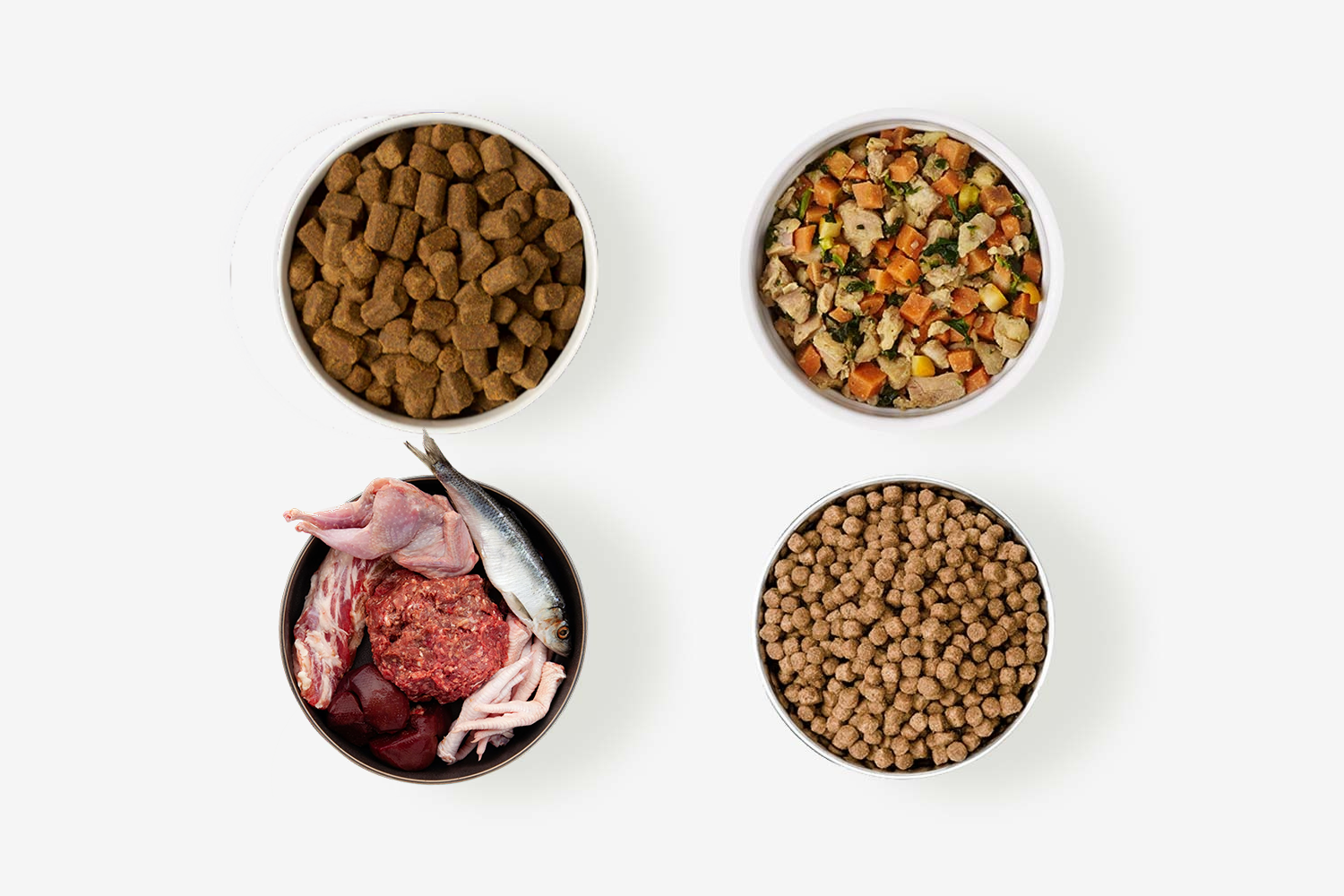
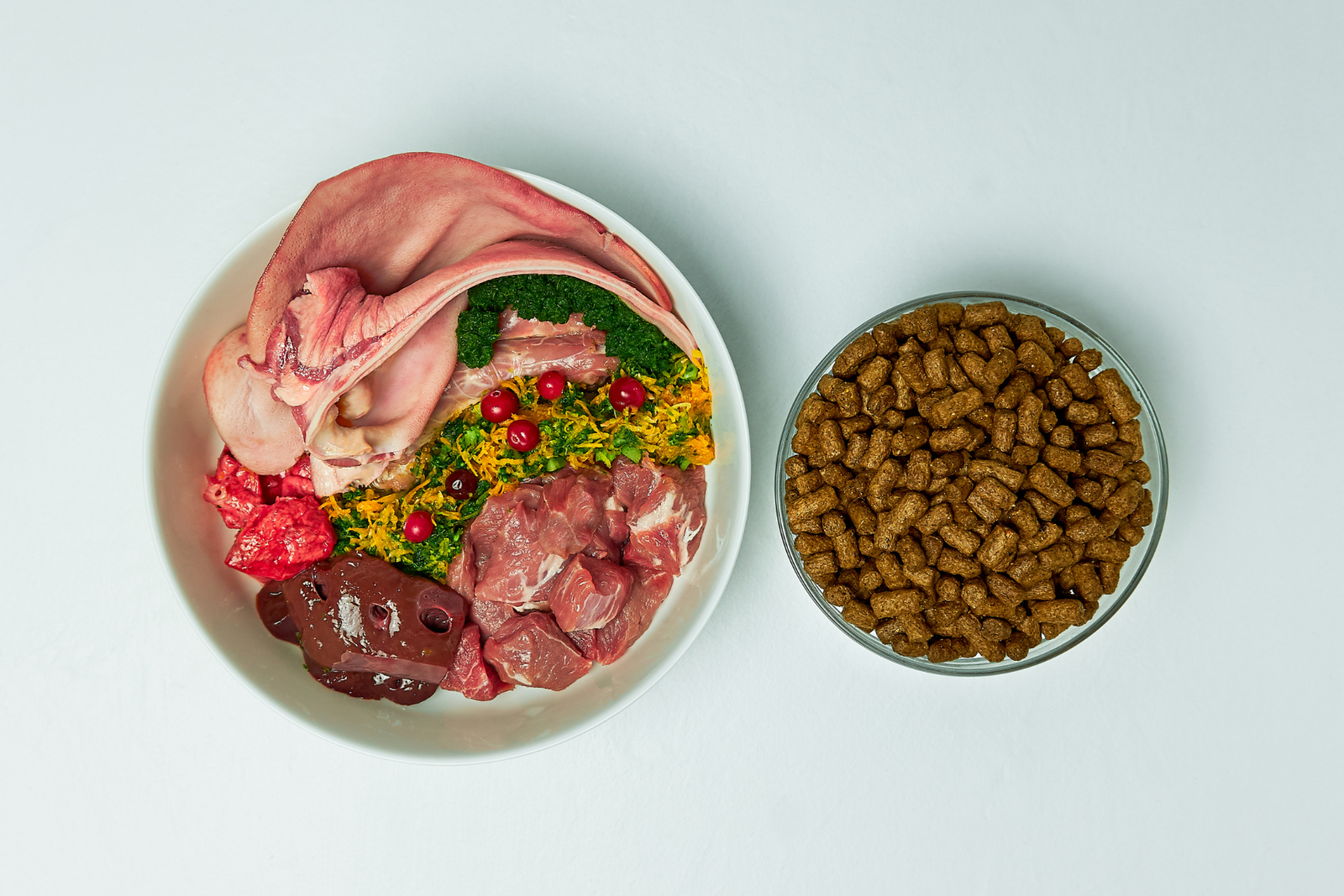
- Kibble for dogs is dry, processed dog food made from cooked grains, meats, and formulated nutrients.
- Raw food (also called BARF or biologically appropriate raw food) typically includes raw meat, bones, organs, and vegetables.
Why the Debate?
- Advocates of raw claim it’s more natural and nutritionally efficient.
- Kibble proponents cite convenience, safety, cost-effectiveness, and balanced nutrient formulation.
2. Is Raw Food Better for Dogs Than Kibble?
Potential Benefits of Raw:
- Shinier coat and healthier skin
- Less stool volume and better dental health
- Improved energy levels for active dogs
Risks to Consider:
- Bacterial contamination (Salmonella, E. coli) from raw ingredients
- Nutritional imbalance, especially with homemade recipes lacking essential vitamins or minerals
- Safety and hygiene challenges for households with children or immunocompromised individuals
While is raw food better for dogs than kibble? The answer depends on precise preparation, hygiene, and professional nutrient balance—practices not always feasible for busy pet owners.
3. Is Kibble Actually Good for Dogs?
Advantages of Kibble:
- Balanced nutrition: Formulated to meet all essential nutrient needs
- Ease of use: No prep required; long shelf life
- Cost-effective, especially for multi-pet households
- Commercial safety standards reduce pathogen risks
Many modern vets agree that kibble is actually good for dogs when chosen wisely, as high-quality formulas support balanced health.
4. What Kibble Is Best for Dogs?
When selecting what kibble is best for dogs, consider:
- Protein source (single vs. multiple meats)
- Limited fillers (e.g. whole grains rather than corn or soy)
- Added antioxidants, omega fatty acids, probiotics, and joint support compounds
- Age-appropriate formulation (puppy, adult, senior)
- Allergy considerations or dietary sensitivities
Look for brands—or in Indian markets, Best kibble for dogs India—with robust formulation standards, clinical trials, or veterinary endorsements.
5. Kibble for Dogs with Sensitive Stomachs
Dogs with digestive issues benefit from specialized options:
- Limited-ingredient recipes (e.g. chicken + rice)
- Grain-free or single-protein formulas if allergies are diagnosed
- Added fiber, probiotics, and digestive enzymes
- Transition feeding: mixing gradually into diet
Such kibble for dogs with sensitive stomachs can help minimize vomiting, gas, diarrhea, and improve nutrient absorption under veterinary supervision.
6. Considering the Indian Context
In India, Best kibble for dogs India choices must balance availability, cost, and ingredient quality:
- Mid‑range brands often use rice or chicken protein and added nutrients
- Premium imported kibbles offer novel proteins or grain‑free options
- Availability of sensitive‑stomach formulas and vet-exclusive lines is growing
- Always check labels for moisture content, preservatives, sourcing transparency
7. Transitioning Between Diets Safely
Switching from raw food to kibble or vice versa should follow gradual steps:
- Start with 25% new diet mixed with 75% old diet
- Gradually increase new while decreasing old over 7–10 days
- Monitor stool quality, appetite, energy levels
- Adjust pace if any gastrointestinal upset occurs
Consult your veterinarian before switching to ensure nutritional adequacy and monitor for digestion issues.

8. Role of Alvid Pet Supplements During Dietary Changes
Support your dog through transitions and condition-sensitive nutrition with Alvid Pet formulas:
- Multihit Pet Syrup: Provides immune support and metabolic balance during changes in diet.
- Skin Well Pet Syrup: Promotes skin and coat health—especially helpful if pet experiences dryness or itching during a diet shift.
- Vrikklin Pet: Supports digestion, mild gut inflammation, and respiratory comfort in stressful transitions.
These supplements help stabilize wellness without interfering with digestion or nutrient absorption when fed as directed.
9. Sample Diet Evaluation Table
| Diet Type | Benefits | Drawbacks | Recommended For |
| Quality Kibble | Balanced nutrition, convenience, safe storage | Some dogs may feel less satiated than raw meal | Owners seeking easy, reliable nutrition |
| Raw Food (Balanced) | Improved coat, energy; more natural feeding | Bacterial risk, nutrient imbalance, messy | Experienced owners or under vet supervision |
| Sensitive-Formula Kibble | Gentle digestion, limited ingredients | May be more expensive or less palatable | Dogs with gastrointestinal sensitivities |
10. Managing Common Issues
Digestive upset:
Detailed transition and kibble for dogs with sensitive stomachs may help; consider Vrikklin Pet if mild GI inflammation persists.
Itchy skin or coat changes:
Switching diets may cause coat dryness; Skin Well Pet Syrup helps maintain a healthy skin barrier and minimize shedding.
Immune fluctuations:
During dietary shifts, Multihit Pet Syrup can bolster natural immunity by providing antioxidants, prebiotics, and essential nutrients.
11. Health Monitoring and Vet Collaboration
- Schedule wellness checks when changing diets
- Monitor body condition score, weight, and stool quality
- Test for food allergies or sensitivities via elimination diet
- Recheck microscopic parasite screens or blood panels as needed
Vet guidance ensures diet transitions—whether to raw or premium kibble—stay safe and effective over time.
12. Long-Term Feeding Strategies
- Choose a high-quality kibble appropriate for age/activity
- Avoid overfeeding or free-fed bowls
- Use interactive feeders to slow eating and promote mental stimulation
- Rotate proteins or sources every few months, if no sensitivity
- Use supplements like Multihit, Skin Well, or Vrikklin to support digestion, immunity, and coat health
Final Thoughts: What Should You Choose?
- If you ask is raw food better for dogs than kibble, the answer depends on your ability to manage hygiene, nutrient balance, and safety at home.
- For most pet parents, kibble is actually good for dogs, especially high-quality options readily available and safe.
- Use Best kibble for dogs India that follows label standards and clinical reassurance.
- For dogs with GI issues, select specially formulated options like kibble for dogs with sensitive stomachs.
- Supplement support from Alvid Pet—with Multihit, Skin Well, Vrikklin—aids transitions and long-term wellness.
In balanced, responsibly monitored ways, both diet types may work—with kibble often providing safer convenience and raw offering benefits when done correctly.