

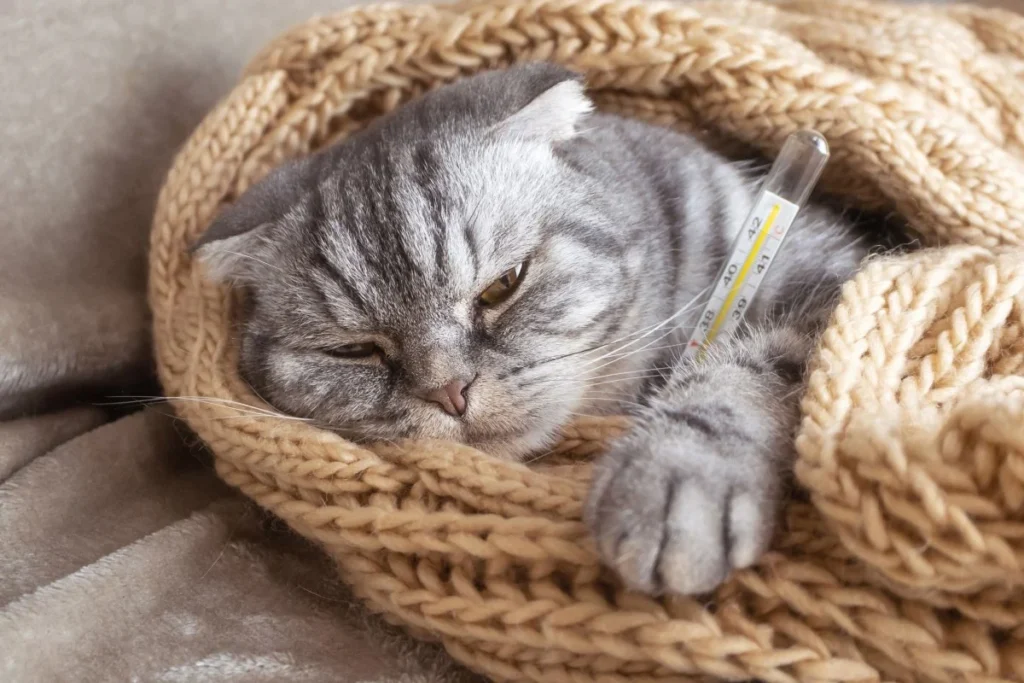
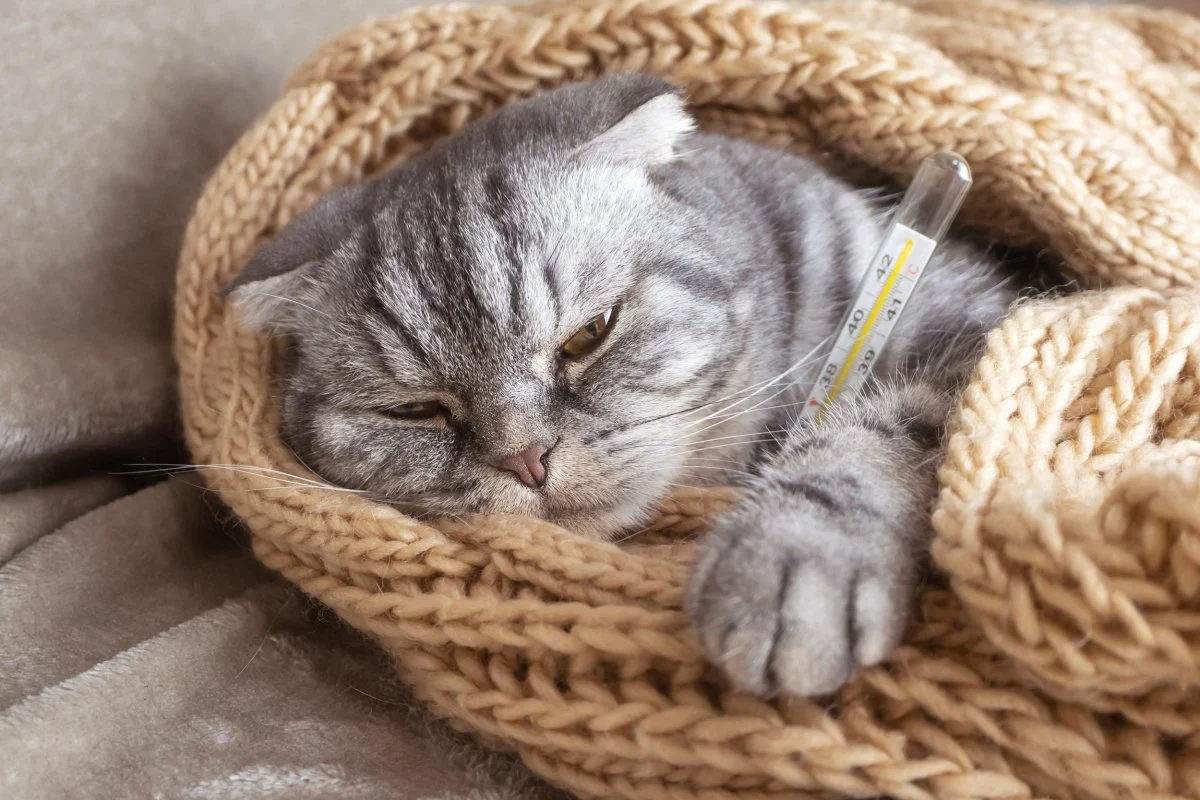
Your cat feels warm. Their nose is dry. They’re hiding under the bed and won’t come out for treats. Understanding cat fever symptoms can help you figure out when your friend needs help and when they’re just having an off day.
Cats are masters at hiding when they’re sick. It’s an instinct from their wild days when showing weakness meant danger. So when your cat shows obvious signs of feeling bad, it’s usually serious. A fever is one of those things that needs attention because it means your cat’s body is fighting something. Let’s talk about what a fever is in cats, how to spot it, what causes it and what you can do to help your kitty feel better.
What is a Fever in Cats?
A fever happens when your cat’s body temperature goes higher than normal. For cats, normal body temperature sits between 100.5°F and 102.5°F. That’s already warmer than humans. Our normal is around 98.6°F.
When your cat’s temperature climbs above 102.5°F, they have a fever. Anything over 103°F is definitely concerning. And temperatures above 106°F are dangerous and need emergency vet care right away.
How to Tell if Your Cat Has a Fever
You can’t always tell just by touching your cat. Sure, they might feel warm, but a cat’s body temperature runs higher than ours naturally. Your cat might feel warm and be perfectly fine. Or they might have a fever and not feel that different from your hand.
The only accurate way to check is with a thermometer. Digital rectal thermometers work best for cats. Yeah, it’s not fun for anyone involved, but it gives you a real number. If you’re not comfortable doing this, your vet can check. But before you reach for the thermometer, look for these feline fever symptoms first.
Cat Fever Symptoms to Watch For
Changes in Behavior
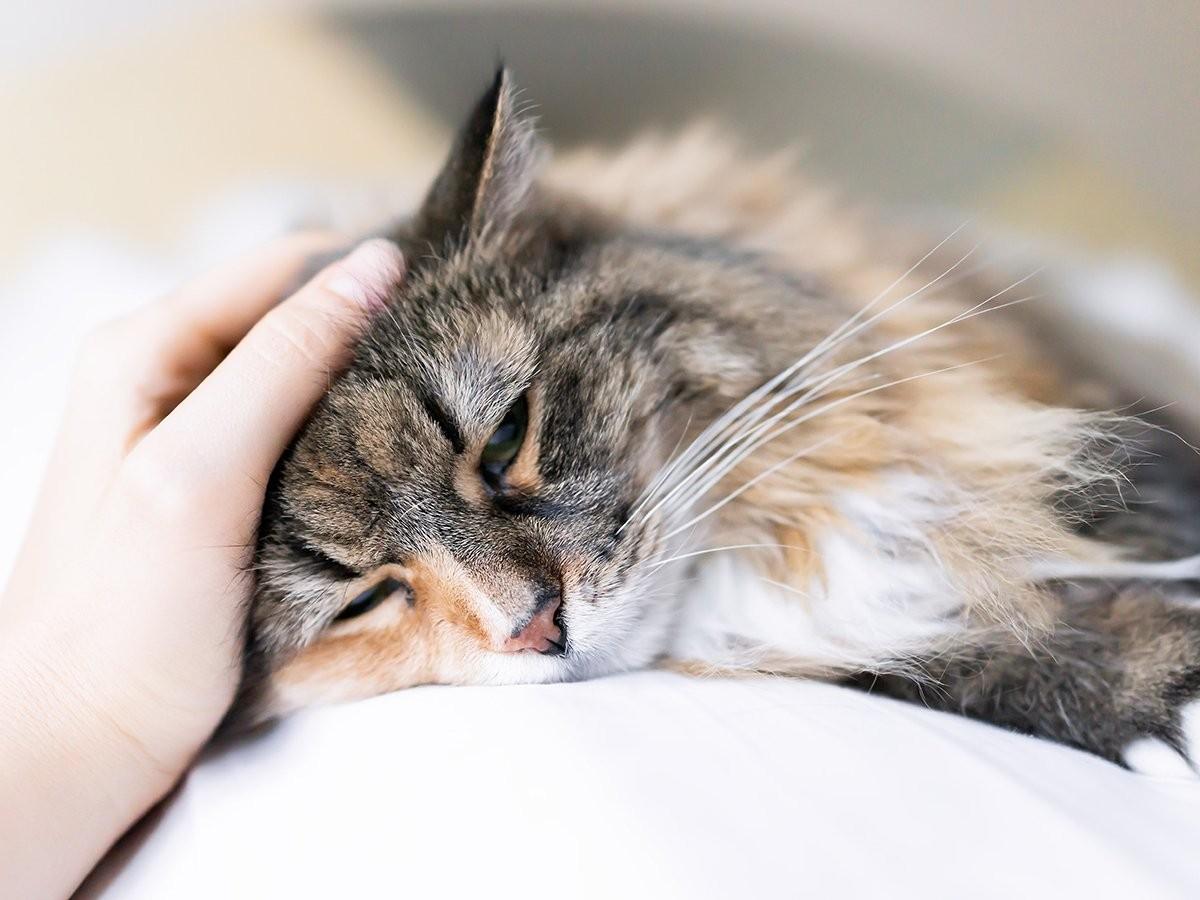
Cats with fevers act differently. They might hide more than usual. Your social cat suddenly wants nothing to do with you. Your active cat just lies around and doesn’t play. These behavior changes often show up before other symptoms. Also, watch for decreased grooming. Cats are clean animals. When they stop grooming themselves, something’s wrong. Their fur might look messy or greasy.
Loss of Appetite
A cat who won’t eat is a cat who doesn’t feel good. Fever often kills appetite. Your cat might sniff their food and walk away. Or they might ignore food completely. This is one of the biggest red flags. If your cat hasn’t eaten in 24 hours, call your vet. Cats can develop serious liver problems if they go too long without food, especially overweight cats.
Lethargy and Weakness
Fever makes cats tired. Really tired. Your cat might sleep way more than normal. When they do move around, they seem weak or wobbly. They might not jump up on furniture like they usually do. Some cats just lie in one spot all day. They don’t greet you at the door. They don’t respond to toys or treats. This extreme tiredness, paired with other symptoms, suggests fever.
What Causes Fever in Cats?
So what causes fever in cats? Lots of things, but here are the most common culprits:
Infections
Infections are the top cause of fevers. Bacterial infections from wounds, bites, or dental problems can spike your cat’s temperature. Viral infections like cat flu, feline leukemia, or FIP also cause fevers. Plus, infections in the urinary tract, respiratory system, or anywhere else trigger the body’s heat response.
Inflammation
When body tissues get inflamed, fever often follows. This includes arthritis, inflammatory bowel disease, or pancreatitis. The inflammation tells the immune system something’s wrong, and up goes the temperature.
Immune System Problems
Sometimes the immune system itself causes problems. Autoimmune diseases make the body attack its own tissues. This constant battle creates chronic fevers that come and go.
Cancer
Tumors and cancer can cause persistent fevers, especially lymphoma. The fever might be the first sign that something serious is happening inside your cat’s body.
Medications or Toxins
Certain medications cause fever as a side effect. Also, if your cat eats something toxic, fever might result. Always keep human medications, plants, and household chemicals away from curious cats.
Unknown Causes
Sometimes vets can’t find the cause. This is called a fever of unknown origin. It’s frustrating, but it happens more often than you’d think. Treatment focuses on managing symptoms while searching for answers.
How Do You Bring Down a Cat’s Fever?
First rule, Don’t give your cat human fever medication. Tylenol, aspirin, and ibuprofen are toxic to cats. Even a tiny amount can kill them. Never, ever give human medicine to your cat. So how do you bring down a cat’s fever safely? Here’s what helps:
Get Veterinary Care
This is step one. Call your vet if you suspect a fever. They’ll examine your cat, take their temperature, and run tests to find the cause. Treatment targets both the fever and whatever’s causing it. Your vet might prescribe antibiotics for infections, anti-inflammatory medication, or other treatments, depending on the diagnosis. They might also give fluids if your cat is dehydrated.
Keep Your Cat Comfortable
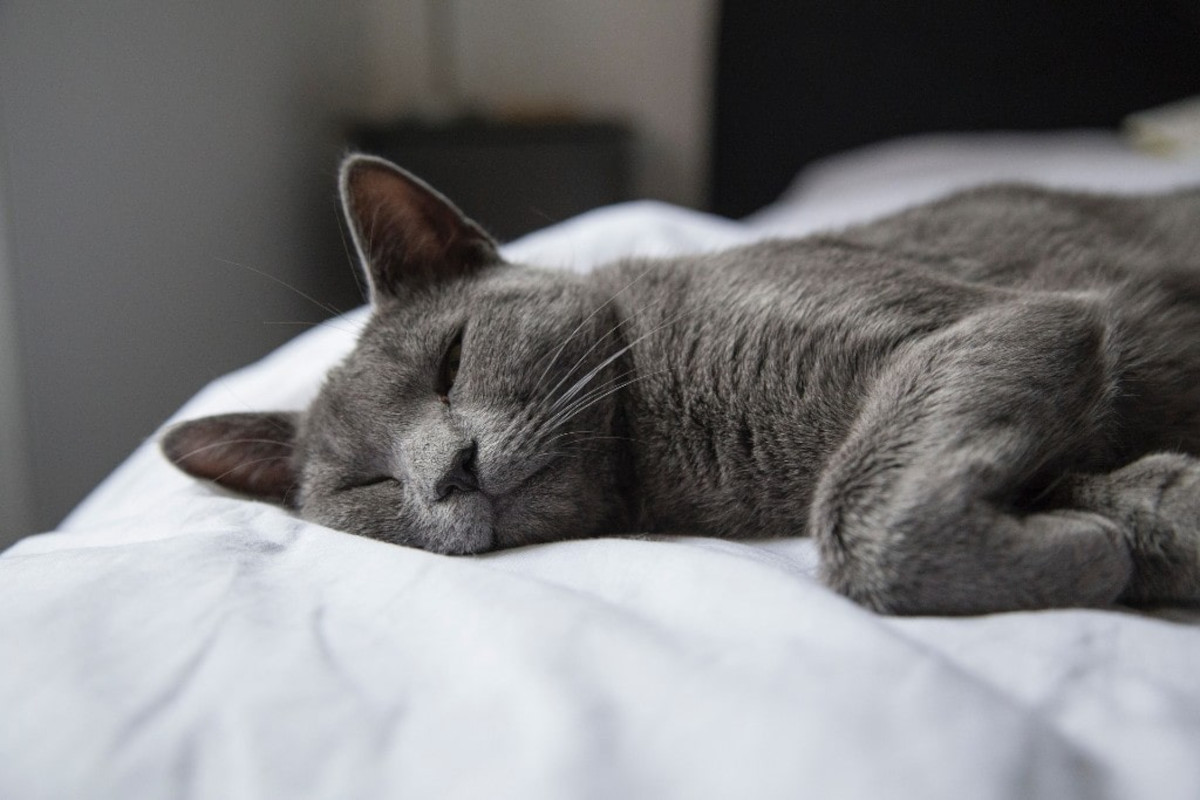
While waiting for vet care or during recovery, keep your cat comfortable. Make sure they have a quiet, cool place to rest. Don’t force them to move around or interact if they don’t want to. Offer fresh water constantly. Dehydration makes fevers worse. If your cat won’t drink, try offering water from a syringe or encouraging them with tuna water.
Monitor Food Intake
Encourage your cat to eat even if they don’t want to. Try warming up wet food slightly – the smell might tempt them. Offer favorite treats. Hand-feeding sometimes works when nothing else does. If your cat refuses food for more than 24 hours, tell your vet immediately. They might need to give nutrition through other methods.
Apply Cool Compresses
You can gently apply cool (not cold) damp towels to your cat’s paw pads and ears. This helps bring down body temperature gradually. Never use ice or very cold water – that’s too shocking to their system. Only do this if your cat tolerates it. If they get stressed or fight you, stop. Stress makes a fever worse.
Final Thoughts
Recognizing cat fever symptoms early gives your cat the best chance for quick recovery. Pay attention to behavior changes, appetite loss, and lethargy. When in doubt, check with your vet. Trust your gut – you know your cat better than anyone.
Visit Alvid Pet for all your feline healthcare needs. From quick cat medicines to other cat pharmacy—we make caring for your cat simple. Because your furry friend deserves fast, reliable care when they need it most.