

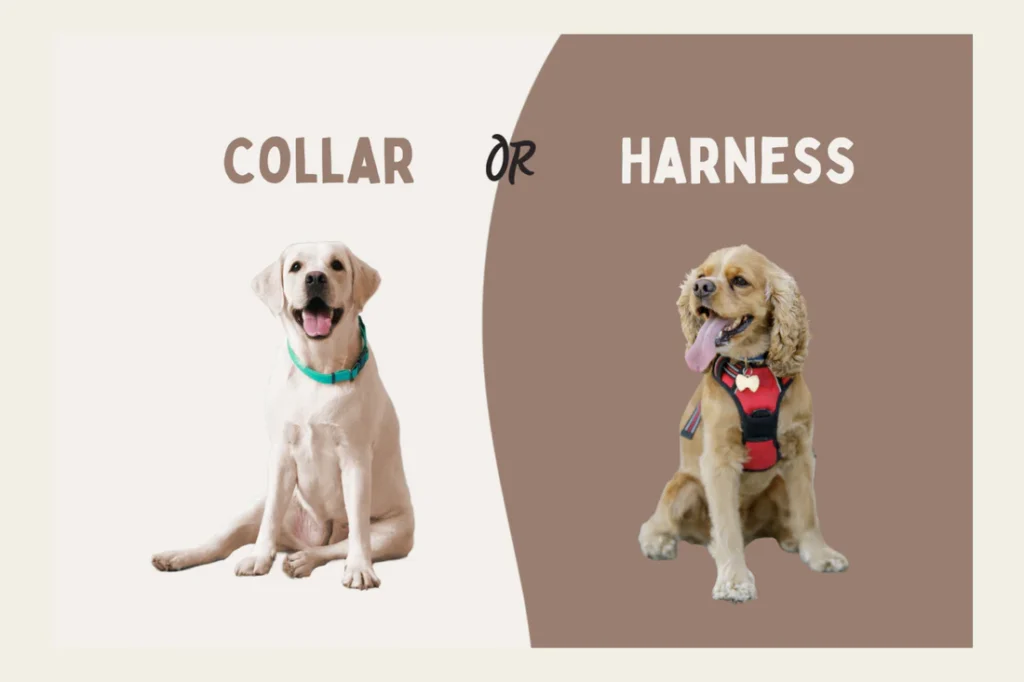

You’re standing in the pet store, staring at rows of dog harnesses and collars. Your puppy is pulling on their lead at home, and you’re wondering, which one should I actually use? Let’s clear this up. The dog harness vs collar for dogs debate isn’t about picking sides. It’s about understanding what works best for your furry friend. Think of it like choosing between sneakers and sandals, both have their place.
What’s the Real Difference?
Here’s the simple truth. A collar wraps around your dog’s neck. A harness wraps around their chest and back. But this small difference changes everything about how your dog feels when walking. A collar puts pressure on the neck. A harness spreads that pressure across a bigger area, the chest and shoulders. Imagine wearing a tight scarf that pulls when you move forward. That’s a collar. Now imagine a backpack with padded straps. That’s a harness. Which sounds more comfortable?
Harness vs Collar for Puppy: Starting Young
Got a new puppy? You’re probably wondering: Is it better to train a puppy with a collar or harness? Most vets and trainers lean towards harnesses for puppies. Here’s why:
Benefits of puppy harnesses:
- Protects their developing neck and throat
- Gives you better control without hurting them
- Makes training easier because they’re more comfortable
- Reduces pulling behaviour from the start
However, collars aren’t useless. Your puppy should wear a collar with an ID tag. Always. Even if they wear a harness for walks. Think of it this way: the collar is like your puppy’s ID card. The harness is their walking gear.
Harness vs Collar for Puppy Training: Which Teaches Better?
Let’s talk about harness vs collar for puppy training, honestly. When your puppy pulls on a collar, it hurts their neck. What do most dogs do when something hurts? They pull harder or panic. Not exactly helpful for training, right? With a harness, pulling doesn’t hurt as much. You can guide your puppy gently. They learn to walk nicely without the fear of choking.
Training tip: Look for a front-clip harness (the lead attaches at the chest). When your puppy pulls, the harness gently turns them back towards you. It’s brilliant. For training basics like sit and stay? Either works fine. But for loose-lead walking? Harnesses win.
Best Collar or Harness for Dogs That Pull
If your dog pulls like a tractor, you need the best collar or harness for dogs that pull. And honestly? Collars rarely help pullers. Here’s what happens with a collar on a strong puller:
- They choke themselves (and keep pulling anyway)
- You worry about hurting their windpipe
- The walk becomes stressful for both of you
- Nothing really improves
Better options for pullers:
- Front-clip harness – Redirects their momentum when they pull
- No-pull harness with back and front clips – Gives you control options
- Y-shaped chest harness – Doesn’t restrict shoulder movement
At Alvid Pet, we’ve seen countless owners switch to harnesses and finally enjoy walks again. The difference is real.
Important: No equipment fixes pulling alone. You still need to train your dog. But a good harness makes training actually possible.
Harness vs Collar for Large Dogs
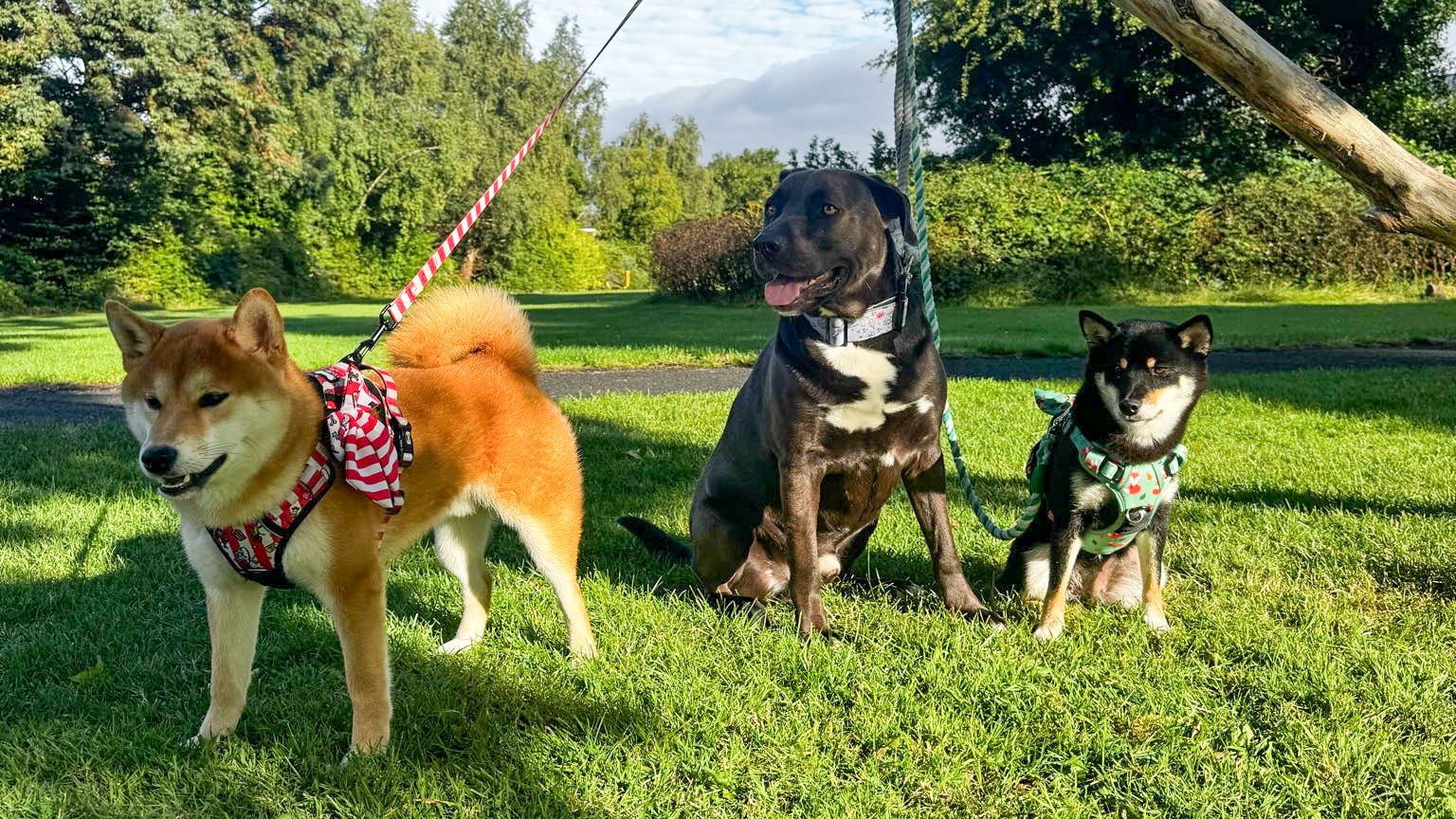
Large dogs need serious thought. We’re talking about harness vs collar for large dogs that weigh 25+ kilos. Picture this: a 30-kilo Labrador sees a cat. They lunge. If they’re wearing just a collar, that force goes straight to their neck. It’s dangerous.
Why harnesses work better for big dogs:
- Distributes force safely across their body
- Gives you actual control (not just hope)
- Protects their neck from injury
- Makes handling easier at the vet or groomer
Some people worry harnesses look bulky on large dogs. Who cares? Your dog’s safety matters more than looks. Choose a sturdy harness with padded straps. Your German Shepherd or Golden Retriever will thank you.
Harness vs Collar for Small Dogs
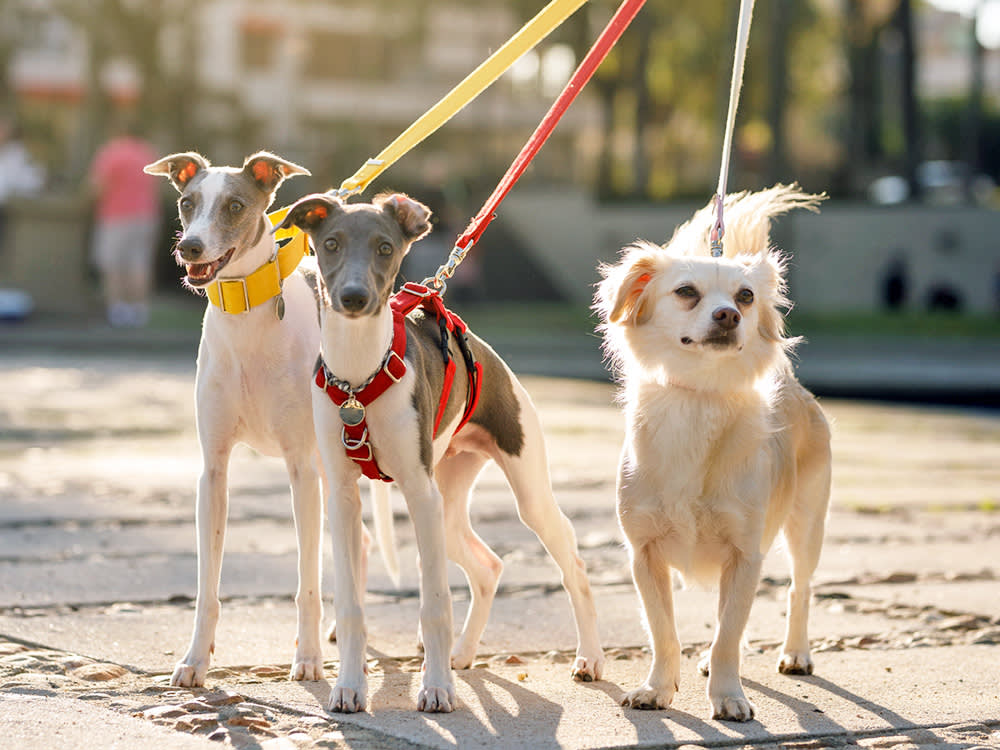
Small dogs have delicate bodies. The harness vs collar for small dogs question is actually more important than people think. Breeds like Pugs, Chihuahuas, and Dachshunds often have breathing problems or fragile windpipes. A collar pressing on their throat makes these issues worse.
Small dog harness benefits:
- No pressure on their tiny throats
- Prevents tracheal collapse (a serious condition)
- Easier to pick them up safely in emergencies
- Less chance they’ll slip out and run away
Your Pomeranian might be small, but they probably pull like they weigh 30 kilos, right? A harness stops that without hurting them.
When Collars Actually Make Sense
Let’s be fair. Collars aren’t evil. They’re perfect for:
- Holding ID tags and vaccination certificates
- Quick bathroom breaks in your garden
- Well-trained dogs who never pull
- Dogs with medical conditions that make harnesses uncomfortable
Some calm, older dogs do fine with collars. If your dog walks gently beside you and doesn’t pull, a collar might work perfectly.
The golden rule: Always have a collar with ID tags, even if you use a harness for walks.
Making Your Choice: Quick Decision Guide
Still confused? Answer these questions:
Does your dog pull on walks? – Choose a harness
Is your dog a puppy? – Choose a harness
Does your dog have breathing issues? – Choose a harness
Is your dog calm and trained? – Either works (but the harness is safer)
Does your dog have a short nose (like a Pug)? – Definitely choose a harness
Last Words
What’s the answer to dog harness vs collar for dogs? For most dogs, most of the time, harnesses are better. They’re safer, more comfortable, and make training easier. Collars should hold ID tags and be used for quick, controlled situations. Your dog can’t tell you what hurts. They just pull harder or stop enjoying walks. Pay attention to how they behave. If they’re choking, gasping, or pulling constantly, switch to a harness. Remember, you’re not just buying equipment. You’re choosing how comfortable your best friend feels every single day.