

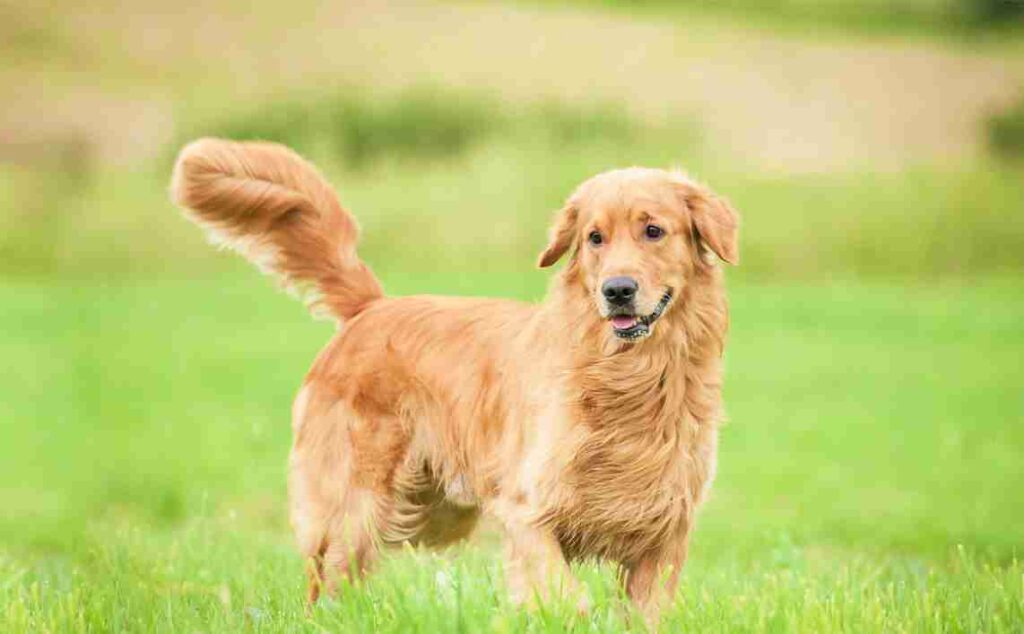
Dogs do not possess the ability to speak human language yet they express themselves through their physical movements at all times. Tail movements function as a key canine communication tool which people tend to misunderstand because they reveal important information about dog behavior. People commonly believe that a wagging tail indicates dog happiness yet dogs communicate through multiple signals which exceed simple happiness expressions. The ability to read dog tail body language enables you to better understand what your dog is feeling and what he wants to do and how he feels about his situation.
The document provides information about the mechanisms of dog tail wagging, its purpose, interpretations of tail positions, and the intentional nature of tail wagging.
Why Does a Dog Wag His Tail?
Pet owners frequently ask about the reason dogs use their tails to wag. The solution to this problem needs people to exchange information effectively. Dogs use their tail wagging to show their emotional feelings which include both positive states like excitement and happiness and negative states like uncertainty and fear and submission and aggression.
Tail wagging is a natural response controlled by the dog’s nervous system. The relationship between this emotion extends past its positive emotional connection because it also links to emotional arousal. The interpretation of tail wagging requires examination of all body language signals which include posture and facial expressions and vocal patterns.
Do Dogs Wag Their Tails on Purpose?
People show interest in understanding what motivates dogs to wag their tails.
Tail wagging occurs as an automatic response which people link to emotional states. Dogs possess intelligence which enables them to understand how their tail wagging affects human actions. The animals will intentionally make their tails move more than usual to show friendliness and get noticed and to indicate their willingness to submit.
The first wag of a dog might stem from emotional behavior but dogs learn to control their tail movements which they use for intentional communication.
How Do Dogs Wag Their Tails?
The process of dogs wagging their tails needs researchers to study multiple factors.
* Speed of the wag
* Direction of movement
* Height of the tail
* Stiffness or looseness
Each of these elements plays a role in tail wagging meaning in dogs.
Tail Wagging Meaning in Dogs
- Fast, Wide Tail Wag
The person shows their excitement and happiness through this expression. The behavior appears when dogs meet their owners or when they expect to start playing.
- Slow, Gentle Wag
A slow wag may signal uncertainty or cautious curiosity. The dog remains in a state of processing the current situation while showing signs of remaining uncomfortable.
- Short, Rapid Wag
The person displays signs which indicate he is experiencing some form of agitation or tension during this time. It’s often mistaken for happiness but may indicate overstimulation.
- Stiff Wag
A dog shows dominance through its stiff tail wagging while maintaining a rigid body position which might indicate aggressive behavior.
Why Do Dogs Wag Their Tails When They’re Happy?
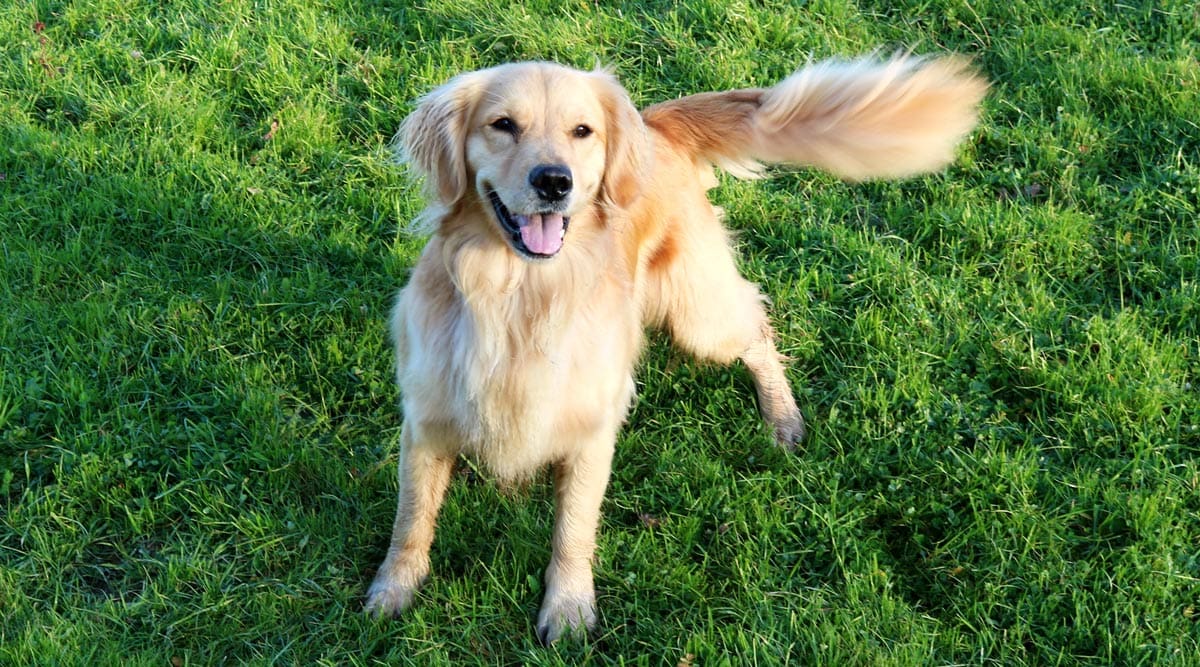
People frequently ask about the purpose dogs use their tail wagging to express happiness. The brain releases neurotransmitters which activate tail muscles when dogs experience positive emotions such as joy and excitement. The wag exists as a physical sign which shows the person’s present emotional state.
Happy tail wags are usually:
* Loose and relaxed
* Wide and sweeping
* Paired with a soft body posture
The person maintains their ears and eyes in a relaxed position while sitting.
People tend to associate this particular wag with signs that someone is friendly.
The position of the tail is just as important as the wag itself.
High Tail Position
The animal displays both confidence and alertness through its tail position in the air because it attempts to demonstrate its dominant status. The person displays both stress and arousal symptoms when dealing with difficult situations.
Neutral Tail Position
A tail which maintains its natural position in the air indicates that the animal remains both peaceful and comfortable. This is typical in a comfortable, content dog.
Low Tail Position
A low tail position in dogs usually shows signs of fear or submission or anxiety. A dog which pulls its tail into its legs shows clear signs of extreme fear or high stress levels.
Tail Signs of a Dog: Combining Wag and Posture
A dog’s tail signals require evaluation through their complete context because they should never be understood by themselves. Always examine the complete body language.
Friendly Signals
* Loose wag
* Relaxed body
* Soft eyes
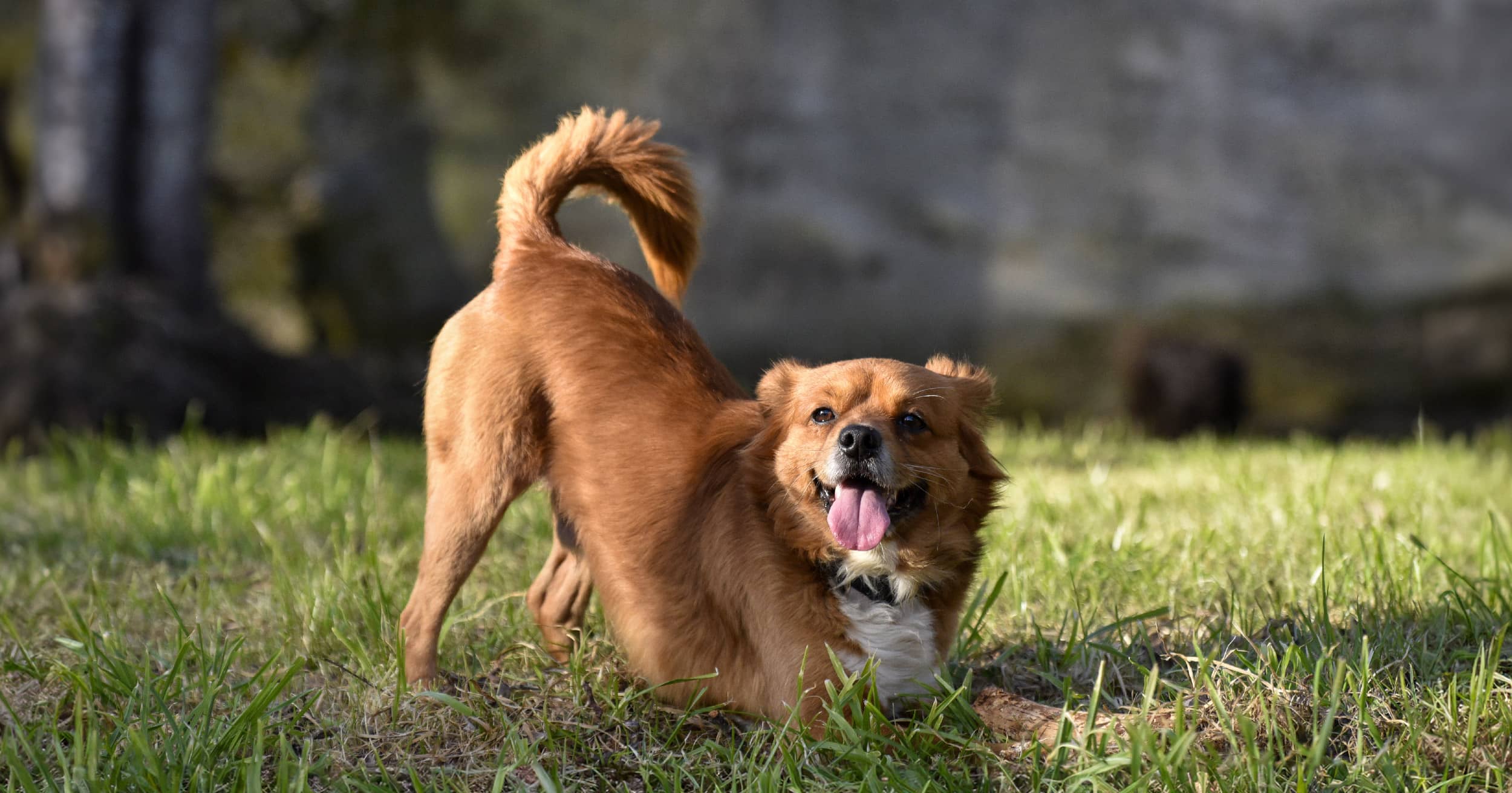
* Play bow posture
Fearful Signals
* The dog shows either a low position of its tail or it is tucked under its body.
* Slow or minimal wag
* Avoiding eye contact
* Crouched posture
Aggressive or Defensive Signals
* The tail maintains an upright position which remains stiff.
* Rapid, short wag
* Raised hackles
* Growling or baring teeth
People can prevent incorrect interpretations which might result in physical harm through their understanding of these word combinations.
Direction of Tail Wagging
Research shows dogs wag their tails at increased speeds which direct either to their right or left side based on their current emotional state.
The right-biased wagging of a dog typically occurs when the dog expresses positive emotions.
The left side of a wagging dog may show signs of stress or fear.
The information about tail wagging meaning in dogs remains difficult to detect yet it demonstrates how dogs express multiple meanings through their tail movements.
Breed Differences in Tail Communication
The communication abilities of dogs depend on their breed because different breeds have unique tail structures which extend in different ways.
Dogs with long tails use their wagging signals to show others through their tail movements.
Dogs who have their tails either curled or docked need to use their entire body to express themselves through posture and movement.
Short-tailed dog breeds maintain their ability to express emotions because their tail bases continue to function.
Learning your individual dog’s normal tail behavior is key.
Common Misconceptions About Wagging Tails
People commonly believe that a wagging tail indicates friendship but this belief remains incorrect. A dog will wag its tail when it experiences anxiety or overstimulation or displays aggressive behavior. The failure to recognize this behavior leads to dog attacks which most often occur when dogs encounter new environments.
Always observe:
* The dog’s face
* Body tension
* Ear position
* Overall movement
A wagging tail by itself does not provide enough information to determine what the dog really wants to do.
How Tail Communication Helps Humans and Dogs
The ability to read dog body language through their tail movements becomes better.
* Safety around unfamiliar dogs
* Training effectiveness
* Bonding between pet and owner
* Stress recognition and prevention
Dogs maintain continuous communication which requires us to understand their language to develop trust between us and our dogs.
Teaching Children to Read Tail Signals
Children should be taught that:
* A wagging tail does not always indicate safety.
Dogs require their own private area when they display signs of stress.
People who understand dog body language can defend themselves from dangerous dog encounters.
Education serves as a necessary tool for people to execute their fundamental responsibilities in pet care.
Final Thoughts
Dog tail wags and movements serve as an effective communication system which extends past basic expressions of happiness. Pet parents who understand dog tail wagging behavior and its meaning and various tail signals will achieve improved emotional understanding of their dogs while avoiding conflicts and building stronger bonds with their pets. The complete set of body language signals in dogs reveals their tail wagging meaning through individual analysis of this specific behavior.
Conclusion
Alvid Pet provides pet owners with a comprehensive range of top-quality veterinary products, and wellness solutions designed to enhance the health, happiness, and overall well-being of their pets. From premium nutritional supplements and medications to hygiene items, Alvid Pet ensures pets receive the care they need at every stage of life. Each product is thoughtfully selected to support healthy skin, shiny coats, strong immunity, and overall vitality. By offering reliable and trusted pet care solutions, Alvid Pet helps pet parents maintain their furry companions’ health, comfort, and happiness every day.