

Rabies is one of the oldest and most feared diseases in the world. It affects both animals and humans and is nearly always fatal once symptoms appear. For dog owners, understanding how do dogs get rabies, recognizing the signs of rabies in dogs, and knowing about the rabies vaccine for dogs is critical for prevention and protection.
In this comprehensive guide, we’ll explain the role of rabies shots symptoms in dogs, answer questions like does a rabies shots make a dog tired, and give you everything you need to know to keep your furry companion safe.
What is Rabies?
Rabies is a viral disease that attacks the central nervous system of mammals. It is caused by the rabies virus, typically transmitted through the bite or saliva of an infected animal. Once the virus reaches the brain and symptoms appear, rabies is almost always fatal.
Because of its severity, prevention through vaccination is the only effective way to protect your dog.
How Do Dogs Get Rabies?
The main way how do dogs get rabies is through the bite of another infected animal. The virus is present in the saliva of rabid animals, and once introduced through a wound, it travels along the nerves toward the brain.
Common sources of rabies exposure include:
- Bites from wild animals such as raccoons, bats, skunks, or foxes.
- Contact with saliva from an infected animal on open cuts or mucous membranes.
- Fights with other unvaccinated dogs that may be infected.
Understanding how do dogs get rabies highlights why vaccination and avoiding contact with wild animals are essential preventive measures.
Rabies Vaccine for Dogs
The rabies vaccine for dogs is one of the most important vaccinations your pet will ever receive. It is not just a recommendation — in many countries and regions, it is a legal requirement.
Key facts about the rabies vaccine:
- Puppy vaccination – Puppies typically receive their first rabies vaccine around 12 to 16 weeks of age.
- Booster doses – After the initial vaccine, a booster is usually given one year later, followed by boosters every one to three years, depending on local regulations.
- Mandatory by law – Because rabies poses such a serious risk to humans and animals, many regions require proof of rabies vaccination for licensing and travel.
By keeping your pet up to date with the rabies vaccine for dogs, you’re protecting them, yourself, and your community.
Rabies Shots Symptoms in Dogs
While the rabies vaccine is safe, you may notice some rabies shots symptoms in dogs after vaccination. These reactions are usually mild and temporary, but it’s good to know what to expect:
- Mild swelling or soreness at the injection site.
- Slight fever or fatigue.
- Reduced appetite for a day or two.
- Temporary stiffness or discomfort.
These side effects generally resolve on their own within 24 to 48 hours. Rarely, dogs may experience allergic reactions such as facial swelling, vomiting, or difficulty breathing. If you observe severe or prolonged symptoms, consult your veterinarian immediately.
Does a Rabies Shots Make a Dog Tired?
Many owners ask: does a rabies shots make a dog tired? The answer is yes, it can. After vaccination, some dogs experience mild fatigue or drowsiness. This is a normal response as the immune system works to build protection.
Tiredness usually lasts less than a day. Allow your dog to rest and recover. If your pet remains unusually lethargic for more than 48 hours or shows other concerning symptoms, contact your veterinarian.
Signs of Rabies in Dogs
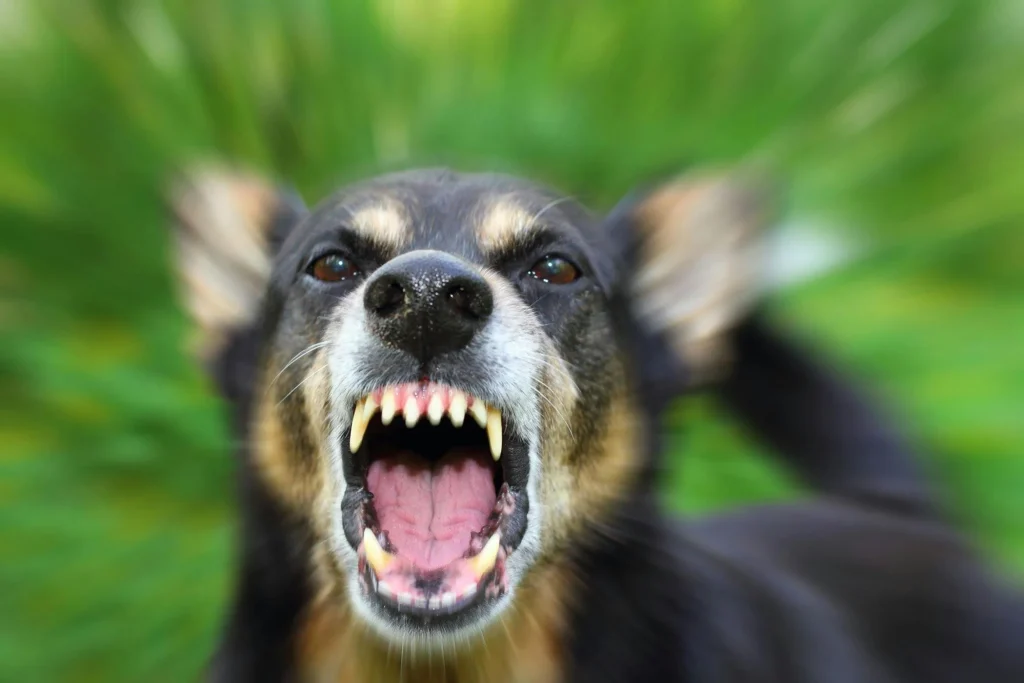
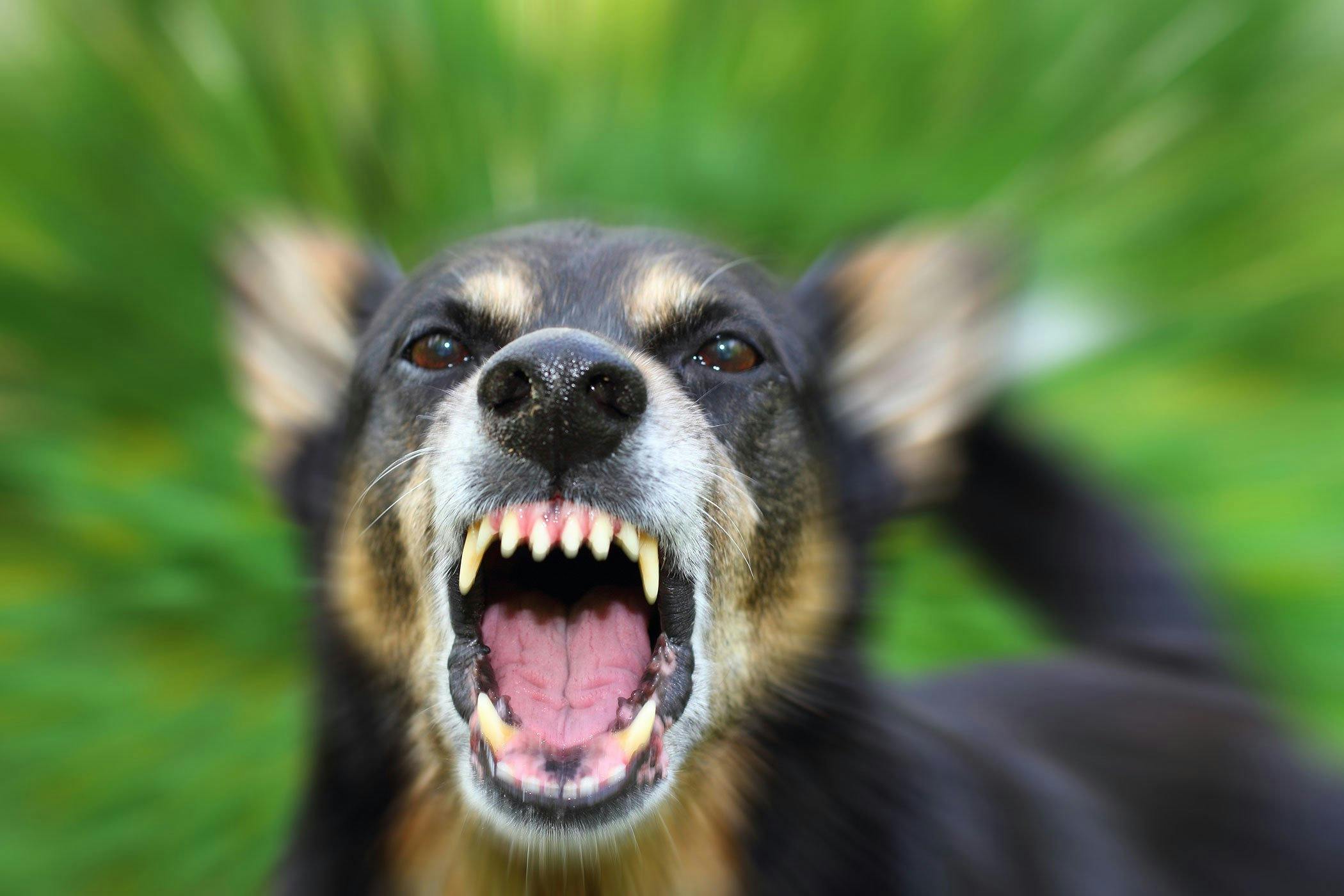
Despite vaccination efforts, rabies remains a global threat. Recognizing the signs of rabies in dogs is essential, especially in unvaccinated pets or areas with high rabies prevalence.
Symptoms of rabies progress through stages:
Early signs:
- Behavior changes (unusual aggression or sudden shyness).
- Restlessness and anxiety.
- Fever or loss of appetite.
Advanced signs:
- Excessive drooling or difficulty swallowing.
- Uncoordinated movements, staggering, or paralysis.
- Sensitivity to light, sound, or touch.
- Seizures.
- Aggressive biting or snapping at objects, people, or other animals.
Sadly, once signs of rabies in dogs appear, there is no cure. This makes prevention through vaccination absolutely critical.
Why Rabies Vaccination Matters
The seriousness of rabies cannot be overstated. Vaccination is vital because:
- It prevents your dog from contracting a fatal disease.
- It protects your family from exposure.
- It helps control the spread of rabies in the wider animal population.
- It keeps you compliant with laws and travel regulations.
By ensuring your dog gets regular rabies vaccine for dogs, you’re contributing to a safer environment for everyone.

Myths About Rabies and Vaccines
There are many misconceptions surrounding rabies and vaccination. Let’s clear up a few:
- Myth: Rabies only affects wild animals.
Fact: Unvaccinated pets can contract and spread rabies.
- Myth: Indoor dogs don’t need rabies shots.
Fact: Even indoor pets may escape or encounter wild animals. Vaccination is still essential.
- Myth: Vaccines are dangerous.
Fact: The rabies shots symptoms in dogs are usually mild compared to the protection vaccines provide.
- Myth: A vaccinated dog can’t get rabies.
Fact: While vaccination offers strong protection, no vaccine is 100%. Keeping boosters up to date is key.
What to Do If You Suspect Rabies
If you think your dog has been exposed or is showing signs of rabies in dogs:
- Avoid direct contact with saliva.
- Isolate the dog safely.
- Contact your veterinarian immediately.
- Notify local animal control or public health authorities.
Never attempt to handle or treat a suspected rabid animal on your own.
Global Efforts to Control Rabies
Rabies remains a challenge worldwide, particularly in regions with limited access to vaccines. International organizations emphasize mass vaccination campaigns and education as the most effective tools to eliminate rabies in dogs and prevent human cases.
Your participation by vaccinating your dog contributes to these efforts.
Living Safely With Vaccinated Dogs
Once your pet receives the rabies vaccine for dogs, you can feel confident they are protected. Still, watch for mild rabies shots symptoms in dogs and understand that does a rabies shots make a dog tired is a common question with a simple answer: yes, but only temporarily.
Your responsibility doesn’t end with vaccination — keep records updated, schedule boosters, and continue monitoring your dog’s health.
Conclusion
Rabies is a deadly disease, but it is entirely preventable with the rabies vaccine for dogs. Understanding how do dogs get rabies, being aware of the signs of rabies in dogs, and knowing the potential rabies shots symptoms in dogs ensures you can protect your pet and your family. While mild side effects like fatigue may occur — answering the question, does a rabies shots make a dog tired — these are temporary and far outweighed by the protection vaccination provides.
For trusted advice, guidance, and resources on pet care, you can always count on Alvid Pet.