

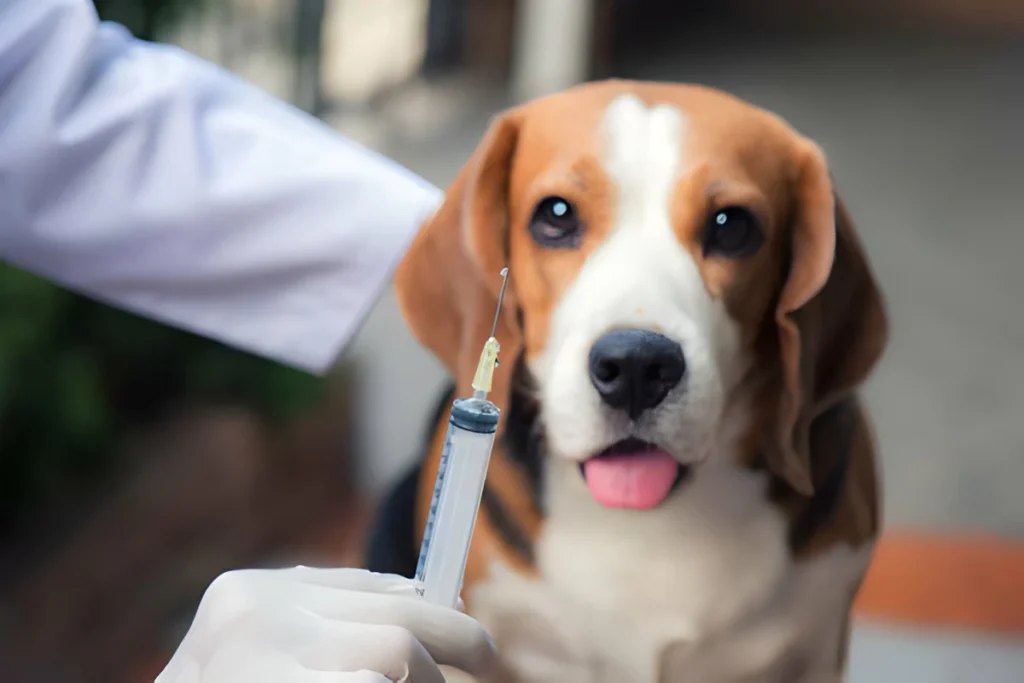
Vaccines are essential for protecting pets—dogs, cats, and more—from serious and preventable diseases. Their immune systems depend on timely vaccinations for optimal health. Here’s a detailed guide to pet vaccination schedules for all life stages: puppy/kitten, adult, and senior. This includes both core vaccines (universally essential) and non-core (lifestyle) vaccines. We also discuss injection names, anti‑rabies vaccines, boosters, and proper use of Alvid Pet products for gentle care during immunization.

1. Why Vaccinations Matter
- Life-threatening disease prevention: Core vaccines protect against deadly infections like rabies, distemper, parvovirus, panleukopenia, and calicivirus
- Zoonotic safety: Vaccines like rabies protect human health by preventing transmission from pets .
- Community protection: Herd immunity in neighborhoods limits disease spread in multi-pet homes and shelters.
- Legality: Rabies vaccines are legally required in many areas.
2. Core vs. Non-Core (Lifestyle) Vaccines
- Core vaccines are essential for all pets, regardless of environment:
Dogs: Distemper, Adenovirus (hepatitis), Parvovirus, Parainfluenza (DAP/DA2PP), Rabies
Cats: FVRCP (Feline Viral Rhinotracheitis, Calicivirus, Panleukopenia), Rabies; FeLV is core in high-risk or young cats
- Non-core (lifestyle) vaccines are administered based on pet exposure risk:
- Dogs: Bordetella (kennel cough), Lyme disease, canine influenza, leptospirosis
- Cats: Bordetella, Chlamydia, FeLV as appropriate
- Dogs: Bordetella (kennel cough), Lyme disease, canine influenza, leptospirosis
3. Puppy Vaccination Schedule
Vaccines start at 6–8 weeks, with boosters every 2–4 weeks until at least 16 weeks
| Age | Core Vaccines | Lifestyle Vaccines |
| 6–8 weeks | DA2PP* | Bordetella (optional) |
| 10–12 weeks | DA2PP booster | Leptospirosis, Lyme, Influenza (if at risk) |
| 14–16 weeks | DA2PP final booster, Rabies | Repeat lifestyle vaccines (if needed) |
| 6–12 months | First adult booster (core and rabies) | Annual boosters for lifestyle vaccines |
*DA2PP covers distemper, adenovirus, parvovirus, and sometimes parainfluenza or leptospirosis
4. Adult Dog Vaccination Schedule
- Core vaccines (DA2PP, Rabies): Booster at one year, then every 3 years .
- Lifestyle vaccines: Administer annually or semi-annually based on risk and vet guidance.
5. Kitten Vaccination Schedule
Start at 6–8 weeks; boosters every 3–4 weeks until 16 weeks .
| Age | Core Vaccines | Lifestyle Vaccines |
| 6–8 weeks | FVRCP (+FeLV if at risk) | — |
| 10–12 weeks | FVRCP booster | FeLV |
| 14–16 weeks | FVRCP final booster, Rabies | FeLV final dose |
| 6–12 months | First adult booster (FVRCP, Rabies) | Annual FeLV (if needed) |
After boosters, core vaccines can be repeated every 3 years for indoor cats
6. Adult & Senior Cats
- Core vaccines: FVRCP every 3 years (or annually for high-risk cats), Rabies annually or every 3 years depending on vaccine type.
- FeLV (lifestyle): Yearly for outdoor or multi-cat households .
- Other non-core vaccines: Bordetella, Chlamydia may be recommended in shelters
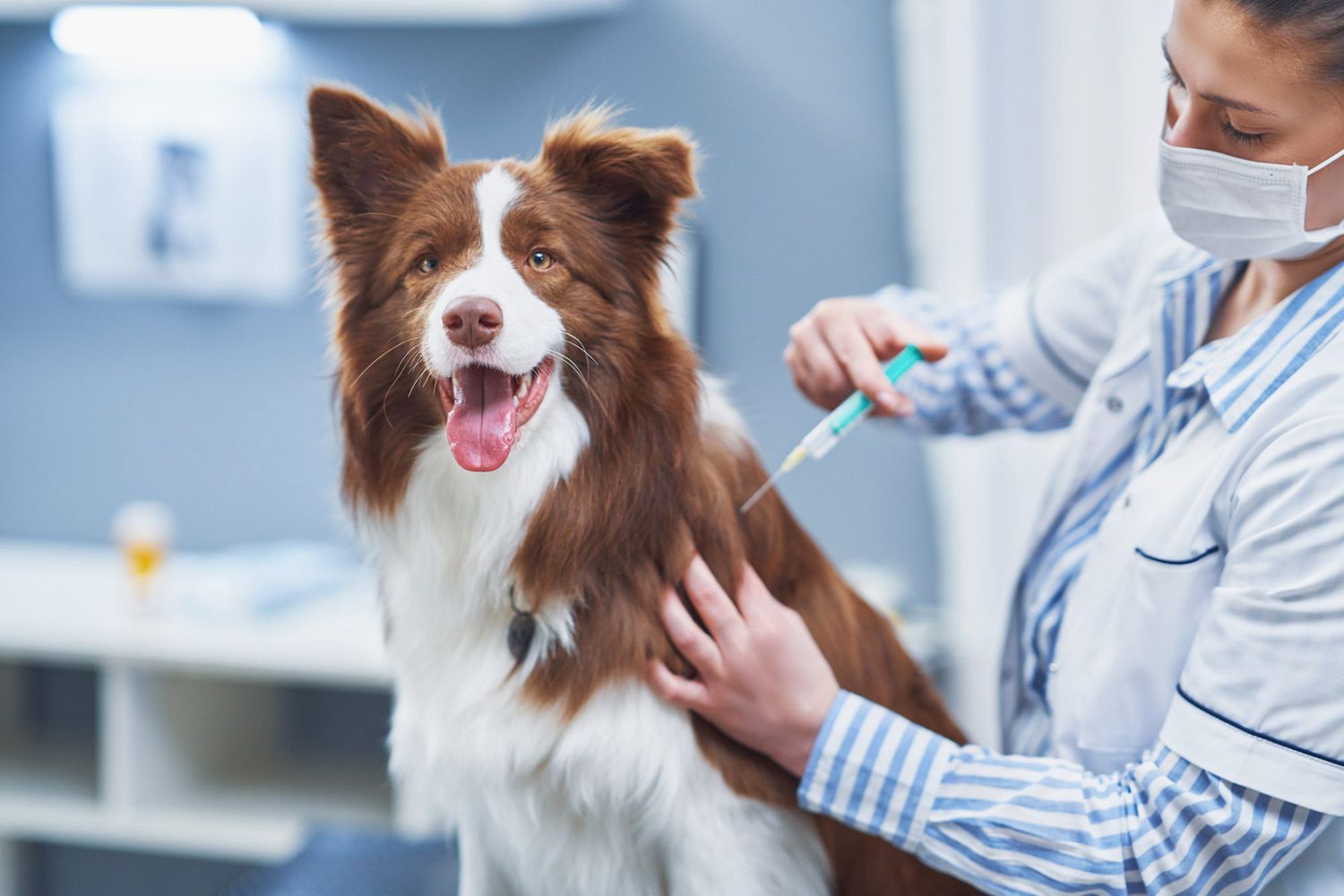
7. Other Common Household Pets
While dogs and cats are the focus, other pets—such as rabbits—also have vaccination recommendations:
- Rabbits: Vaccines may include RHD (viral hemorrhagic disease) depending on local prevalence.
- Ferrets: Rabies and canine distemper vaccines are commonly recommended.
Check with your vet for species-specific guidance.
8. Vaccine Types & Injection Names
- DA2PP (also DAPP, DHLPP): Distemper, Hepatitis, Parvovirus, Parainfluenza, sometimes Leptospira.
- Rabies vaccine: Required; type varies between 1-year and 3-year duration.
- FVRCP: Feline combo vaccine covering three major diseases.
- FeLV: Feline leukemia vaccine.
- Lifestyle vaccines: Include Bordetella, Lyme, canine influenza, Leptospira, Chlamydia.
9. Safety & Side Effects
Vaccines are safe, but mild side effects can occur:
- Low fever, soreness at injection site, temporary lethargy, reduced appetite
- Rarely: allergic reactions like facial swelling, hives, breathing difficulty—seek vet care if they occur .
- Cats: injection-site sarcomas are extremely rare; use proper injection sites and spacing to reduce risk
10. Customizing Your Pet’s Vaccine Plan
Your vet will tailor vaccines based on:
- Lifestyle (indoor/outdoor, social exposure)
- Geographic risks (rabies, lepto, Lyme prevalent areas)
- Age, breed sensitivities, health conditions
- Legal requirements
Annual wellness visits are essential for reviewing and adjusting vaccine plans .
11. Boosters & Serologic Testing
- Boosters: Given at puppy/kitten 1 year, and core vaccines every 3 years thereafter
- Titers: Blood tests to confirm immunity in adult pets; these can extend vaccination intervals when appropriate .
12. How Alvid Pet Supports Vaccination Care
Though vaccines are administered by vets, Alvid Pet enhances care pre- and post-vaccination:
- Calming Care Spray: Reduces stress during vet visits
- Post-Vaccination Comfort Gel: Soothes injection sites and eases discomfort
- Immune Support Supplements: Supports a robust immune response
- Vaccination Tracker App: Reminds you of due dates, boosts, and pet profiles
These help ensure stress-free experiences and better recovery for your pet.
13. Sample Timeline Summary
Dogs:
- 6–16 weeks: Core and lifestyle boosters
- 6–12 months: Adult booster
- Every 3 years: Core vaccines, lifestyle as needed
Cats:
- 6–16 weeks: FVRCP, FeLV, Rabies
- 6–12 months: Adult booster
- Every 3 years: FVRCP; Rabies per law; FeLV annually if outdoors
14. Final Thoughts
A well-structured vaccination plan protects your pet—and by extension, your family—from preventable, serious diseases. Each life stage—puppy, adult, senior—requires a tailored approach. And with Alvid Pet’s profile management tools and soothing products, you can smooth the process, making it healthier and calmer for your furry companion.