

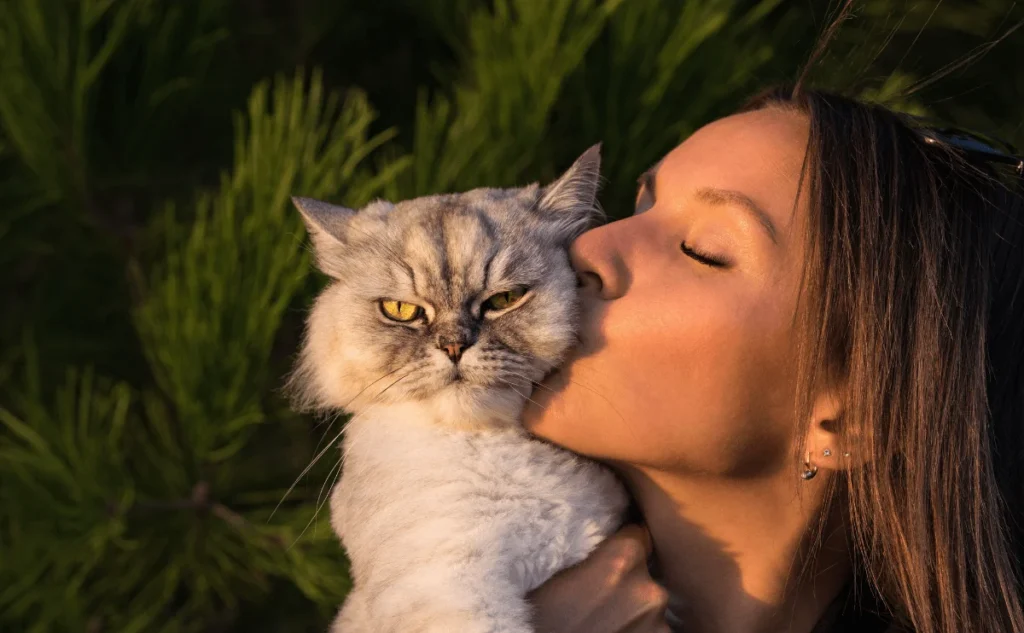

Ever wonder what’s going on in your cat’s head when they stare at you at 3 AM? Or why do they knock stuff off your table for no reason? You’re not alone. Cat psychology is something that puzzles even the most devoted cat parents. But here’s the thing, your cat is always talking to you. You just need to learn their language. Cats aren’t tiny dogs. They think differently, act differently, and see the world in their own unique way. Once you understand what makes your feline friend tick, life gets a lot easier for both of you. You’ll finally know why your cat does those weird things that drive you nuts. Let’s dive into the mind of a cat and figure out what they’re really trying to say.
Why Understanding Cat Behaviour Matters
Here’s something most people don’t realize, cats communicate all the time. Through their tail, their ears, their eyes and yes, even those strange meows. When you understand feline psychology, you can tell when your cat is happy, scared, sick or just being plain mischievous.
This matters because a happy cat is a healthy cat. When you know what your cat needs, you can give them better care. You can spot health problems early. You can avoid situations that stress them out. And you can build a stronger bond with your furry companion.
On top of that, understanding your cat saves you from a lot of frustration. No more wondering why they hate the new litter box. No more confusion about sudden behavior changes. You become a cat expert in your own home.
The Basics of Cat Psychology
Cats are hunters by nature. Even your lazy house cat who sleeps 16 hours a day, has the brain of a predator. This explains so much of what they do. That sudden burst of energy at midnight? Hunting instinct. Watching birds through the window for hours? Predator focus. Bringing you a dead mouse? A gift from a successful hunter.
But cats are also prey animals. Yep, they’re both hunter and hunted. This makes them cautious and alert. They like high places where they can see everything. They hate being cornered. They need escape routes. This dual nature shapes everything about cat behavior and what it means.
Also, cats are territorial creatures. Your home is their kingdom. They mark it with scent glands on their face, paws, and tail. When your cat rubs against you, they’re not just being cute. They’re claiming you as part of their territory. You know?
What Your Cat’s Body Language Really Means
The Tail Tells All
A cat’s tail is like a mood ring. When it’s straight up with a little curve at the tip, your cat is happy and confident. A puffed-up tail means they’re scared or angry. A tail tucked between the legs? That’s a frightened cat.
If your cat’s tail is swishing back and forth, watch out. That’s not like a happy dog wag. It means your cat is annoyed or overstimulated. Time to give them space. A tail wrapped around you is like a cat hug, they love you.
Eyes and Ears
Slow blinks from your cat are basically cat kisses. They feel safe and content around you. Try giving slow blinks back. It’s a great way to bond.
Forward-facing ears mean your cat is alert and interested. Ears pinned back? Angry or scared. Ears swiveling around like tiny satellites? They’re listening to everything, staying aware of their surroundings. Dilated pupils can mean excitement or fear. Narrow pupils often mean an aggressive or annoyed cat. But lighting also affects pupil size, so look at the whole picture.
The Purr and Other Sounds
Most people think purring always means happiness. Usually, yes. But cats also purr when they’re stressed or in pain. It’s like a self-soothing mechanism. Pay attention to the context.
When cats meow, they’re usually talking to humans, not other cats. Each cat develops unique meows for their human family. Some cats are chatty, others are quiet. Both are normal. That chirping sound when they see birds? Pure excitement. The low growl? Stay away. The loud yowl? It could be mating behavior, territorial warning, or sometimes a sign they’re hurting.
Common Cat Behaviors Explained
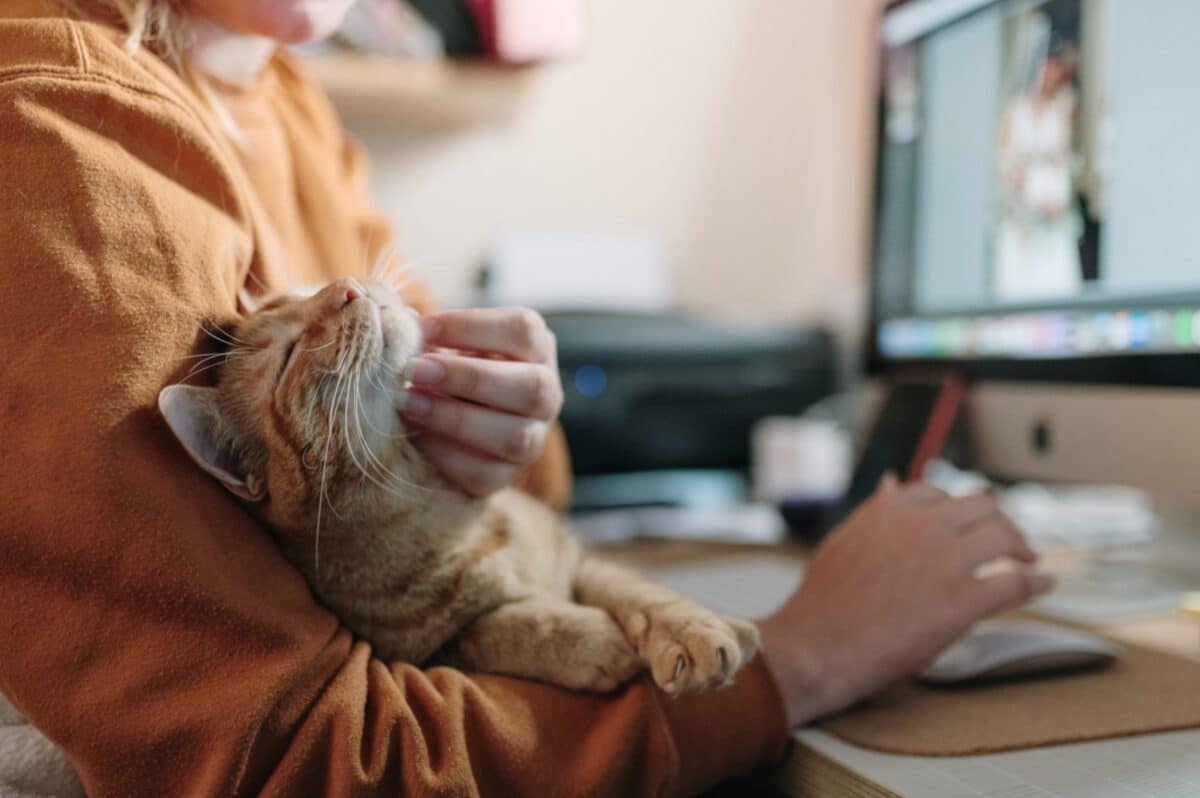
Why Do Cats Say Hello by Headbutting?
When your cat bonks their head against you, that’s called bunting. It’s one of the sweetest things cats do. They have scent glands on their head, and they’re marking you as safe and loved. Plus, it’s a greeting that says “you’re part of my family.” So next time your cat headbutts you, bunt them back gently. They’ll appreciate it.
The Midnight Zoomies
Ever heard your cat racing through the house at 2 AM like a maniac? Those are the zoomies. Cats are naturally more active at dawn and dusk. They’re crepuscular animals. That burst of energy is totally normal. It happens because cats need to burn off energy. If your cat doesn’t play enough during the day, they’ll zoom at night. Give them interactive toys and play sessions before bed. It helps a lot.
Kneading and Making Biscuits
When cats push their paws in and out against you or a soft surface, that’s kneading. Kittens do this to their mother to stimulate milk flow. Adult cats do it when they’re super relaxed and happy. It’s a leftover behavior from kittenhood. Some cats knead with their claws out, which can hurt. Keep their nails trimmed or redirect them to a blanket. They’re just showing love in their own way.
Knocking Things Off Tables
This drives people crazy. But inside the mind of a cat, this makes perfect sense. Cats are naturally curious. They use their paws to explore objects. When they bat something, they’re testing it, playing with it, and sometimes just seeing what happens. Also, cats learn fast. If knocking something off gets your attention, they’ll do it again. Even negative attention is still attention to a cat.
How Feline Psychology Affects Your Cat’s Health
Understanding cat psychology isn’t just about behavior. It affects health too. Stress in cats leads to real medical problems. Urinary issues, digestive problems, and even skin conditions can come from stress. A cat who feels safe and understood is healthier. They eat better. They use their litter box properly. They groom themselves normally. When you meet their psychological needs, their physical health improves.
This is where Alvid Pet comes in. When your cat needs medication or supplements, getting them easily matters. Stress-free access to pet healthcare products means less worry for you and better care for your cat. Quick pet shots, easy medications, and everything delivered to your door, that’s what modern pet care should look like.
Final Thoughts
Cat psychology isn’t as mysterious as it seems. Your cat communicates constantly through body language, sounds, and behaviors. They’re telling you what they need, how they feel, and what they want. You just need to pay attention and learn their language.
Every cat is unique. Some are bold, some are shy. Some are chatty, others are quiet. Get to know your specific cat’s personality. Watch them, learn from them, and respond to their needs. The more you understand your cat, the happier you’ll both be. Because at the end of the day, cats aren’t complicated. They want to feel safe, loved, and respected. Give them that, and they’ll be your loyal life companion.
Visit Alvid Pet for all your feline healthcare needs. From quick cat pharmacy to medications and supplements – we make pet care simple and stress-free. Because your cat deserves the best, and so do you.