


Bringing a new puppy home is an exciting time filled with cuddles, play, and learning. But one of the first and most important responsibilities you’ll face is how to potty train a puppy. Potty training sets the foundation for good behavior, keeps your home clean, and strengthens the bond between you and your dog. Many new owners wonder about poop training for puppy, how to avoid accidents, and how long does it take to potty train a puppy. This guide will give you the best, most effective potty training techniques for puppies and practical advice on how to train a puppy to toilet properly.
Why Potty Training Matters
Puppy potty training is more than a household convenience. It’s about building trust and routine. A properly trained puppy:
- Learns boundaries and expectations early.
- Has fewer stress-related accidents.
- Avoids health issues related to holding waste for too long.
- Builds a respectful relationship with family members.
Without consistent puppy potty training tips, a dog may develop habits that are harder to correct later.
How Do I Potty Train a Puppy?
Many pet parents ask: how do I potty train a puppy without making mistakes? The answer lies in consistency, patience, and timing. Puppies thrive on routine. Start by:
- Creating a Schedule
- Take your puppy out first thing in the morning, after every meal, after naps, and before bedtime.
- For very young puppies, every 1–2 hours is best.
- Take your puppy out first thing in the morning, after every meal, after naps, and before bedtime.
- Choosing a Toilet Spot
- Use the same area outside every time. Scents will remind your puppy this is the correct place.
- Use the same area outside every time. Scents will remind your puppy this is the correct place.
- Rewarding Success
- Positive reinforcement is key. Use praise, affection, or a small treat every time they toilet correctly.
- Positive reinforcement is key. Use praise, affection, or a small treat every time they toilet correctly.
- Preventing Mistakes
- Supervise your puppy closely indoors. If you can’t watch, confine them to a crate or playpen.
- Supervise your puppy closely indoors. If you can’t watch, confine them to a crate or playpen.
This process is the best way to toilet train a puppy because it combines structure, routine, and reward.
Potty Training Techniques for Puppies
Here are some of the most reliable potty training techniques for puppies:
- Crate Training
- Dogs naturally avoid soiling where they sleep. A crate helps teach bladder control.
- Size matters: the crate should be large enough to stand, turn, and lie down, but not so large that they can toilet in one corner.
- Dogs naturally avoid soiling where they sleep. A crate helps teach bladder control.
- Scheduled Feeding
- Consistent meal times lead to predictable bathroom times. Avoid free-feeding.
- Consistent meal times lead to predictable bathroom times. Avoid free-feeding.
- Verbal Cues
- Use a consistent phrase like “Go potty!” when you bring your puppy to the toilet spot. They’ll associate the cue with the action.
- Use a consistent phrase like “Go potty!” when you bring your puppy to the toilet spot. They’ll associate the cue with the action.
- Leash Training During Potty
- Keep your puppy on a leash in the designated area. This minimizes distraction until the job is done.
- Keep your puppy on a leash in the designated area. This minimizes distraction until the job is done.
- Using Puppy Pads to Potty Train
- Puppy pads can be a helpful transition tool, especially for apartment dwellers. Place the pad in a consistent area. Gradually move the pad closer to the outdoor spot until your puppy makes the full transition.
- Puppy pads can be a helpful transition tool, especially for apartment dwellers. Place the pad in a consistent area. Gradually move the pad closer to the outdoor spot until your puppy makes the full transition.
These puppy toilet training tips work best when applied consistently.
How Long Does It Take to Potty Train a Puppy?
One of the most common questions is how long does it take to potty train a puppy or even how long does it take to potty train a dog if the dog is older. The truth: it varies.
- Young puppies (8–12 weeks): Expect accidents and progress within 4–6 weeks of training.
- Older puppies (3–6 months): Usually quicker, often fully trained in 3–4 months with consistency.
- Adult dogs: Training may take longer due to unlearning bad habits, but with patience, results come within a few months.
Overall, how long puppy potty train depends on breed, individual temperament, consistency in training, and how quickly the owner responds to accidents.
Puppy Potty Training Tips
To make training smoother, here are some puppy potty training tips backed by experience:
- Never Punish Accidents
- Punishment creates fear and confusion. Instead, clean up thoroughly and refocus on consistency.
- Punishment creates fear and confusion. Instead, clean up thoroughly and refocus on consistency.
- Watch for Signs
- Puppies may sniff, circle, or whine when they need to go. Take them out immediately.
- Puppies may sniff, circle, or whine when they need to go. Take them out immediately.
- Use Enzymatic Cleaners
- Dogs are scent-driven. Regular cleaners may leave odor traces that encourage repeat accidents.
- Dogs are scent-driven. Regular cleaners may leave odor traces that encourage repeat accidents.
- Be Patient
- Even with the best potty training techniques for puppies, accidents will happen. Patience is crucial.
- Even with the best potty training techniques for puppies, accidents will happen. Patience is crucial.
- Set Nighttime Routines
- For very young puppies, expect at least one nighttime potty break until bladder control improves.
- For very young puppies, expect at least one nighttime potty break until bladder control improves.
- Consistency Across the Household
- Everyone in the family must follow the same rules and commands.
- Everyone in the family must follow the same rules and commands.
These puppy potty training advice points may feel simple, but they’re the building blocks of success.
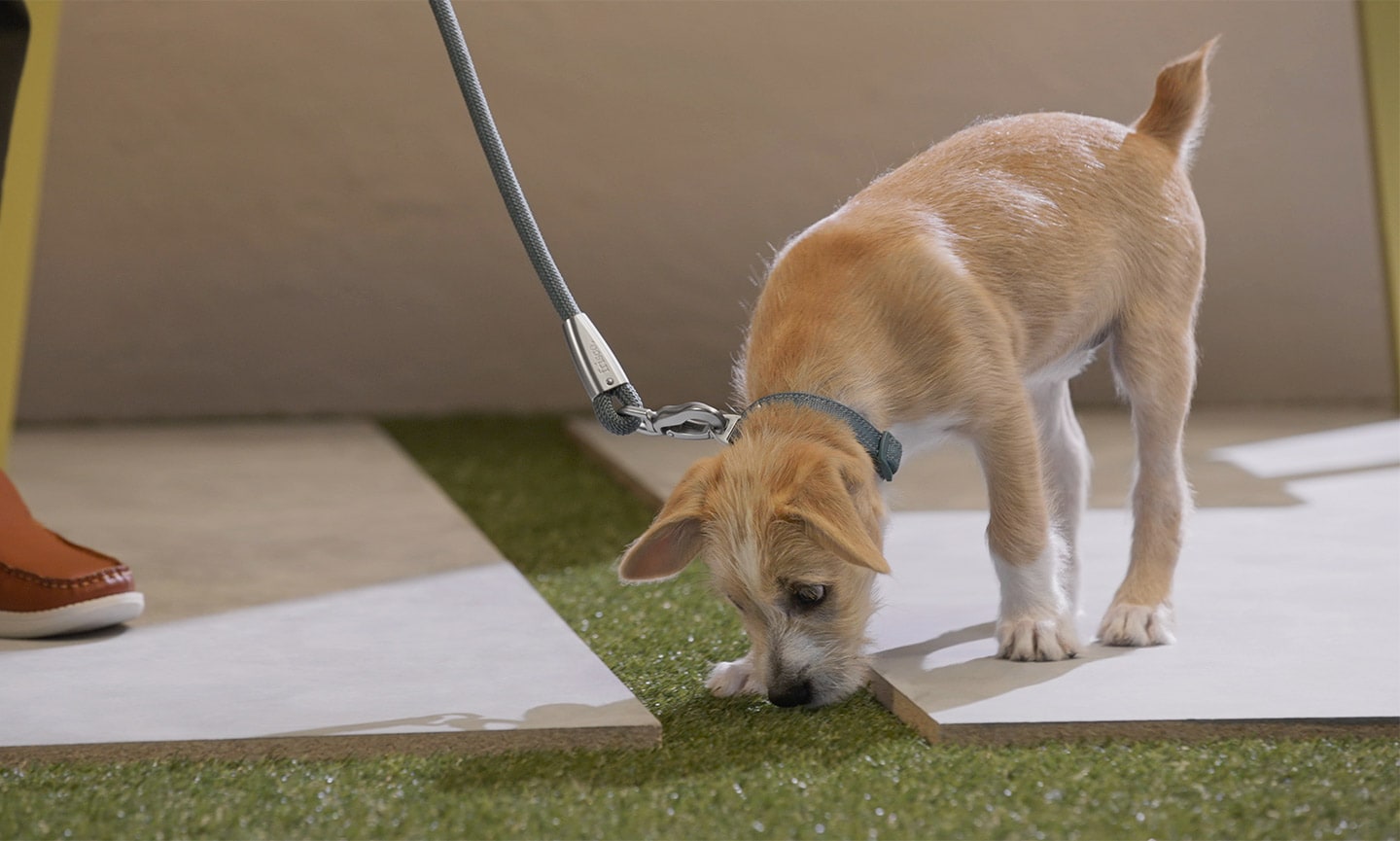
When Should a Puppy Be Potty Trained?
Many owners wonder: when should a puppy be potty trained? While each puppy is unique, here’s a general timeline:
- By 3 months: Puppies should begin to understand the concept of going outside.
- By 4–6 months: Most puppies should have partial control and fewer accidents indoors.
- By 6–8 months: With consistency, many puppies are nearly or fully trained.
- By 1 year: Expect solid, reliable toileting habits.
Remember, small breeds may take longer due to smaller bladders and higher metabolism.
Puppy Toilet Training Tips for Common Challenges
Even with the best way to toilet train a puppy, challenges are normal. Here’s how to solve them:
- Frequent Accidents Indoors
- Increase supervision, reduce puppy freedom indoors, and take them out more often.
- Increase supervision, reduce puppy freedom indoors, and take them out more often.
- Puppy Goes Outside but Toilets Inside After
- Extend outdoor time. Puppies sometimes get distracted and forget to finish.
- Extend outdoor time. Puppies sometimes get distracted and forget to finish.
- Refusal to Use Puppy Pads
- Encourage with verbal cues and rewards. Place a pad where accidents usually happen.
- Encourage with verbal cues and rewards. Place a pad where accidents usually happen.
- Regression After Progress
- Stress, schedule changes, or illness may cause setbacks. Return to basics until routine stabilizes.
- Stress, schedule changes, or illness may cause setbacks. Return to basics until routine stabilizes.
- Nighttime Accidents
- Avoid feeding or giving water right before bed. Provide a quick potty break before sleep.
- Avoid feeding or giving water right before bed. Provide a quick potty break before sleep.
Applying these potty training tips for dogs can save frustration and restore progress.
Poop Training for Puppy
Many owners focus more on urination, but poop training for puppy deserves equal attention.
- Puppies usually need to poop shortly after meals.
- Take them to the same spot, using consistent cues.
- Reward immediately after they finish.
- If constipation or diarrhea occurs, consult your veterinarian to ensure health isn’t interfering with training.
Poop accidents may seem more frustrating, but with scheduled feeding and walks, you can quickly create predictable bowel habits.
How Long Puppy Potty Train: Realistic Expectations
Owners often underestimate the time commitment. How long puppy potty train really depends on:
- Breed and Size: Smaller dogs often take longer.
- Owner Consistency: Skipping steps prolongs the process.
- Early Training: Puppies exposed to structured potty training early tend to succeed faster.
- Health Factors: Bladder infections, digestive problems, or stress can delay progress.
Be prepared for at least 3–6 months of consistent effort. Some dogs catch on faster, while others take closer to a year.
Best Way to Toilet Train a Puppy
If we combine everything, the best way to toilet train a puppy is a structured, positive, and consistent approach:
- Schedule feedings and potty breaks.
- Use the same outdoor spot.
- Apply verbal cues and immediate rewards.
- Supervise indoors; use crates or puppy pens when you cannot.
- Clean accidents with enzymatic cleaners.
- Never punish, always guide.
This method ensures your puppy learns quickly, feels secure, and avoids anxiety around toileting.
Potty Training Tips for Dogs Beyond Puppyhood
Potty training doesn’t stop at puppyhood. Adult rescues or older dogs may also need training. Some potty training tips for dogs beyond puppy age include:
- Re-establishing a Routine: Treat them like puppies with scheduled breaks.
- Positive Reinforcement: Adult dogs respond just as well to praise.
- Patience With Past Habits: Rescue dogs may have developed bad habits that take longer to undo.
- Medical Evaluation: If accidents are frequent in older dogs, rule out health issues first.
Puppy Potty Training Advice: What Not to Do
While focusing on techniques, it’s equally important to avoid mistakes. Here’s puppy potty training advice on what not to do:
- Don’t rub your puppy’s nose in accidents. This causes fear, not learning.
- Don’t leave food out all day. It makes potty times unpredictable.
- Don’t give up too soon. Progress may feel slow, but consistency pays off.
- Don’t switch techniques frequently. Stick to one system until it works.
Conclusion
Learning how to potty train a puppy takes patience, but with the right approach, you can succeed. By using structured schedules, consistent cues, and positive reinforcement, you’ll master poop training for puppy, understand how long does it take to potty train a puppy, and apply the best way to toilet train a puppy. Whether you’re wondering how do I potty train a puppy, seeking puppy toilet training tips, or even considering using puppy pads to potty train, remember that accidents are part of the process. With the right puppy potty training advice, your furry friend will learn quickly and happily.
If you need personalized guidance, training products, or expert potty training tips for dogs, Alvid Pet can support you with reliable resources designed to make the process easier for both you and your puppy.