

Heat stroke (hyperthermia) in cats is a serious but preventable condition. Recognizing the difference between mild heat exhaustion and full-blown heat stroke, and taking prompt action, can save your cat’s life.heat wave treatments:
- What heat stroke is and who it affects
- Common signs of heat stroke, including cat in heat symptoms confusion
- First-aid and veterinary treatment options
- Recovery tips after heat stroke
- How to prevent heat stroke using safe practices and Alvid Pet solutions
What Is Heat Stroke (Hyperthermia)?
When a cat’s body temperature rises above 105 °F (40.5 °C), they enter dangerous territory. Normal feline body temperature is between 100.5 °F and 102.5 °F. Heat stroke develops due to:
- Overheating in a hot environment
- Limited access to water or shade
- Enclosed spaces like cars, attics, or hot balconies
- Physical exertion in high heat
- Underlying issues like obesity, heart disease, or respiratory problems
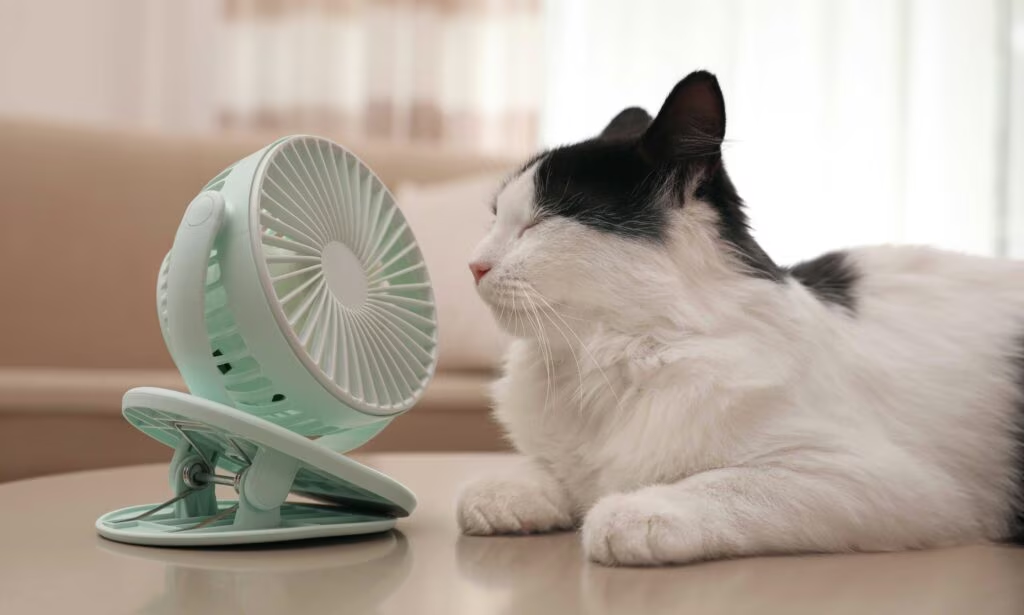
Early Symptoms vs Heat Stroke Symptoms
Heat Exhaustion (Early Phase):
- Panting or rapid breathing
- Restlessness, seeking water or shade
- Sweaty paws, excessive grooming
- Reddened gums or tongue
Heat Stroke (Advanced Stage):
- Lethargy, weakness, stumbling
- Vomiting, diarrhea (may include blood)
- Excessive drooling, glazed eyes
- Seizures or collapse
- Body temperature consistently > 105 °F
- Possible fever, organ damage, shock
Even if your cat appears “just hot,” watch for warning signs—they can rapidly escalate.
First-Aid: What to Do When You Suspect Heat Stroke
- Move your cat to a cool, shaded area or air-conditioned room
- Begin cooling: apply cool (not ice-cold) damp towels to paws, belly, and groin.
- Use Alvid Pet Cooling Skin Mist to support gentle cooling
Offer small sips of water or electrolyte solution; do not force if vomiting
- Use Alvid Pet Cooling Skin Mist to support gentle cooling
- Transport to your vet immediately—cooling first, transport second
Avoid ice baths—they can cause shock and interfere with natural cooling.
Veterinary Treatment for Heat Stroke
Once at the vet:
- Cool fluids (IV fluids at ambient or slightly cool temperature)
- Cool water wraps or enemas to lower body temperature
- Oxygen therapy if breathing is impaired
- Medications: antibiotics, GI protectants, diuretics, or anticonvulsants
- Supportive monitoring: vital signs, blood clotting, organ function
Severe cases might require ICU care, plasma transfusions, or dialysis if organs are severely affected
Recovery & Follow-Up Care
Mild to moderate cases often recover fully in a few days—but survivors are more vulnerable to future heat stress.
At-home care includes:
- Continue gentle hydration and Alvid Pet Rehydration Mix
- Provide a calm, cool environment with Cooling Mat
- Monitor for continued symptoms—vomiting, lethargy, urination changes
- Return for vet follow-up and blood work within a week
- Avoid exertion and keep cool for at least 1–2 weeks post-incident
Prevention: Keep Your Cat Safe
1. Create a Cool, Hydrated Environment
- Provide multiple water bowls, refill frequently
- Use Alvid Pet Cooling Mat in resting areas
- Place fans or air conditioning on hot days
- Use Cooling Skin Mist to soothe overheated skin
2. Block Heat Exposure
- Close curtains or blinds during peak sun hours
- Never leave cats in parked cars—even briefly—dangerous even on mild days
- Provide shaded spots for safe outdoor access
3. Observe Climate-Appropriate Routine
- Keep outdoor activity to mornings or evenings
- Watch indoor temperatures: use a thermostat to avoid overheating
- Offer wet food or flavored broths to boost fluids
4. Manage High-Risk Cats
- Vulnerable groups: kittens, seniors, obese, flat-faced breeds, or those with health issues
- Monitor closely in heatwaves
- Use climate control and cooling tools around the clock
- Groom long-haired breeds to reduce insulation
5. Emergency Kit Must-Haves
- Rectal thermometer
- Alvid Pet Cooling Mist, Rehydration Mix & Cooling Mat
- Towels or cooling pads
- Phone numbers for vet and 24/7 pet hospital
Dealing with a Cat in True Reproductive Heat
Although the term “cat in heat” can confuse with overheating, here’s a quick aside:
- Feline heat cycle symptoms: vocalization, restlessness, affection, squatting posture
- Not a temperature emergency
- Manage indoor behavior and consider spaying to avoid stress and accidental breeding
For any overheating or heatstroke-like symptoms, follow the steps above immediately.
Why Choose Alvid Pet for Heat Stroke Management
Alvid Pet offers a thoughtful, safe range of cooling and supportive products designed for emergency and preventative care:
- Cooling Skin Mist: soothes overheated skin
- Cooling Skin Mist: soothes overheated skin
- Rehydration Mix: replenishes vital fluids
- Cooling Mat: long-term comfort
All formulae are vet-developed, Indian climate-adapted, and easy to use at home
Final Takeaway
Heat stroke isn’t just for dogs. Cats can be seriously affected too—especially in hot climates or enclosed spaces. Recognizing signs like panting, drooling, vomiting, lethargy, and sudden collapse can be life-saving.
Using immediate cooling, vet care, and Alvid Pet’s supportive products, you can guide your cat through recovery—and build a safer environment to prevent future episodes.
Stay cool, stay safe—your cat depends on it!