

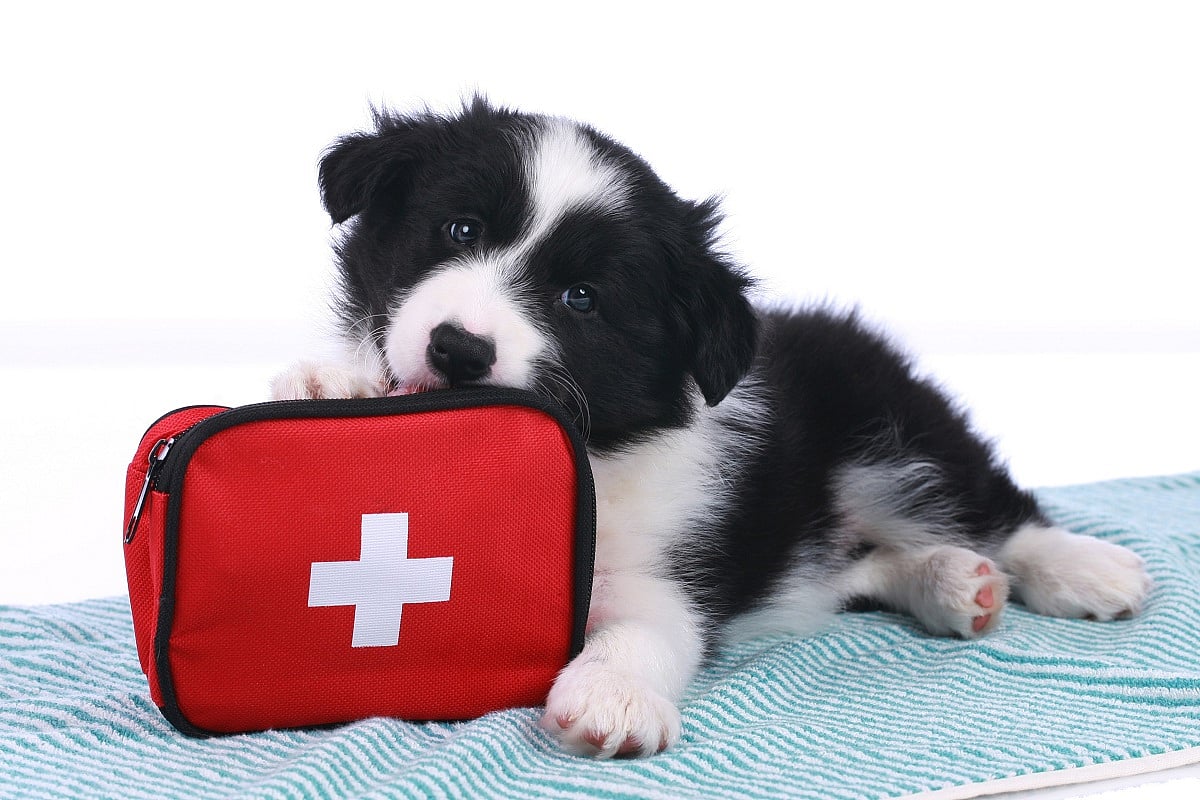
When emergencies happen, being prepared can make all the difference. Every pet parent should have basic knowledge of first aid tips for pet owner, so they can act quickly before reaching the veterinarian. While professional care is always necessary for serious conditions, knowing first aids for pets can stabilize your furry friend and prevent complications. From how to stop a wound from bleeding on a dog to recognizing when first aid for pets in seizures is needed, this guide covers essential pet first aid tips every owner should master.
Why Pet First Aid Knowledge Matters
Accidents don’t wait for vet appointments. Pets can cut their paw pads on glass, choke on toys, or collapse unexpectedly. In those first critical minutes, your ability to act can:
- Save your pet’s life.
- Prevent further injury.
- Reduce pain and fear.
- Buy time until veterinary help is available.
Equipping yourself with first aid tips for pet owner is as important as learning CPR or having a first aid kit at home.
Building Your Pet First Aid Kit
Before diving into specific situations, it’s essential to have supplies ready. A reliable first aids for pets kit should include:
- Sterile gauze pads and rolls.
- Adhesive tape and bandages.
- Scissors with rounded tips.
- Digital thermometer (specifically for pets).
- Hydrogen peroxide (for inducing vomiting, only if advised by a vet).
- Antiseptic wipes or pet-safe solutions.
- Clean towels and blankets.
- Tweezers for removing splinters or ticks.
- Latex or nitrile gloves.
- Saline solution for rinsing eyes or wounds.
- Muzzle (to prevent biting during pain).
Store these items in a waterproof container and check expiration dates regularly.
How to Stop a Wound from Bleeding on a Dog
Cuts and scrapes are common injuries, so knowing how to stop a wound from bleeding on a dog is vital. Here’s what to do:
- Stay Calm and Safe
- Injured dogs may bite out of fear. Use a muzzle or have someone gently restrain them.
- Injured dogs may bite out of fear. Use a muzzle or have someone gently restrain them.
- Apply Direct Pressure
- Use a clean cloth, sterile gauze, or bandage. Hold firm pressure for several minutes without checking too soon.
- Use a clean cloth, sterile gauze, or bandage. Hold firm pressure for several minutes without checking too soon.
- Elevate the Wound (If Possible)
- If it’s on a paw or leg, gently lift it above heart level to slow bleeding.
- If it’s on a paw or leg, gently lift it above heart level to slow bleeding.
- Apply a Bandage
- Wrap with gauze, then secure with adhesive tape. Avoid wrapping too tightly.
- Wrap with gauze, then secure with adhesive tape. Avoid wrapping too tightly.
- Seek Veterinary Help
- Even if bleeding stops, deeper wounds may need stitches or antibiotics.
- Even if bleeding stops, deeper wounds may need stitches or antibiotics.
Learning this single step can make the difference between safe recovery and dangerous blood loss.
Pet First Aid Tips for Breathing Emergencies
Pets may choke on food, toys, or bones. In such cases, use these pet first aid tips:
- Check Airway: Open the mouth and look for obstructions.
- Remove Carefully: Use tweezers or fingers if visible, but don’t push it further.
- Perform Heimlich Maneuver (Dogs):
- For small dogs, hold them with spine against your chest and give sharp thrusts to the abdomen.
- For large dogs, position behind them and apply upward thrusts below the ribcage.
- For small dogs, hold them with spine against your chest and give sharp thrusts to the abdomen.
- If Pet Stops Breathing: Begin rescue breathing by sealing their mouth, extending the neck, and blowing into the nose every 4–5 seconds.
Choking is terrifying, but preparation minimizes panic.
First Aid for Pets in Seizures
Seizures can be alarming. Understanding first aid for pets in seizures ensures you protect your dog or cat during the episode:
- Stay Calm
- Panic won’t help your pet.
- Panic won’t help your pet.
- Keep Them Safe
- Move furniture away. Place a soft blanket under their body.
- Never place your hands near their mouth — they may bite unintentionally.
- Move furniture away. Place a soft blanket under their body.
- Time the Seizure
- Most seizures last less than 2 minutes. If it exceeds 5 minutes, seek emergency care.
- Most seizures last less than 2 minutes. If it exceeds 5 minutes, seek emergency care.
- Aftercare
- Pets may be disoriented or blind temporarily. Keep the environment quiet and dim.
- Pets may be disoriented or blind temporarily. Keep the environment quiet and dim.
While you can’t stop a seizure mid-episode, this first aids for pets knowledge prevents injury and ensures swift veterinary follow-up.
Wound and Injury Management Beyond Bleeding
In addition to how to stop a wound from bleeding on a dog, pet owners should understand wound care basics:
- Small Scratches or Minor Cuts: Clean with saline or pet-safe antiseptic, then cover lightly.
- Burns: Rinse with cool water immediately. Never use ice. Cover with a damp, clean cloth.
- Broken Nails: Apply styptic powder or cornstarch to stop bleeding, then bandage.
- Fractures: Use a splint only if trained. Otherwise, restrict movement and seek emergency care.

First Aids for Pets with Heatstroke
Dogs and cats can overheat quickly. Here’s essential first aid tips for pet owner in heat emergencies:
- Signs: Excessive panting, drooling, collapse, bright red gums, or vomiting.
- Immediate Action: Move pet to a cool area, apply wet towels, offer small sips of water.
- Do Not: Use ice-cold water, as it can shock the system.
- Transport: Head to a vet quickly while continuing to cool them.
Poisoning: First Aid for Pets
Household toxins (chocolate, xylitol, onions, antifreeze) are common dangers. Key pet first aid tips include:
- Identify the Toxin: Keep packaging for the vet.
- Call Your Vet Immediately: Never induce vomiting unless specifically instructed.
- Hydrogen Peroxide (If Directed): Can induce vomiting, but dosage must be vet-approved.
- Activated Charcoal: Sometimes used, but only under professional direction.
Fast action can save your pet’s life in poisoning cases.
Common Pet First Aid Scenarios
Let’s summarize key first aids for pets you should know:
- Choking: Remove object, Heimlich if needed.
- Bleeding: Direct pressure, bandage, vet care.
- Fractures: Restrict movement, transport carefully.
- Seizures: Protect from harm, time the event, keep calm afterward.
- Burns: Cool water, cover gently.
- Poisoning: Call vet, follow instructions, never guess.
- Heatstroke: Cool gradually, vet immediately.
Preventive Pet First Aid Tips
Prevention is the best form of pet first aid tips:
- Keep hazardous items out of reach.
- Use pet-safe plants, cleaners, and foods.
- Walk dogs on a leash to prevent accidents.
- Groom regularly to catch skin issues early.
- Schedule regular veterinary check-ups.
Pet First Aid Training and Practice
Beyond reading guides, pet owners should practice:
- Learning how to bandage.
- Knowing your dog’s normal heart rate, breathing rate, and temperature.
- Practicing lifting and carrying your pet safely.
- Attending workshops on animal CPR and first aid.
Confidence comes with preparation.
First Aid Tips for Pet Owner: Checklist
Here’s a quick reference every pet parent can pin on their fridge:
- Wounds: Direct pressure, bandage, vet.
- Seizures: Time it, protect surroundings, stay calm.
- Heatstroke: Cool gradually, never ice.
- Choking: Remove object, Heimlich if necessary.
- Poisoning: Call vet, do not self-medicate.
- Burns: Cool water, clean cloth, vet care.
This summary of first aid tips for pet owner provides quick guidance during emergencies.
Conclusion
Knowing pet first aid tips can make all the difference in an emergency. Whether you’re learning how to stop a wound from bleeding on a dog, practicing first aid for pets in seizures, or assembling a kit of first aids for pets, preparation ensures your furry companion has the best chance of recovery. Emergencies are stressful, but the right first aid tips for pet owner can save time, reduce suffering, and keep your beloved animal safe until veterinary help arrives.
For trusted guidance, resources, and ongoing pet care support, Alvid Pet is here to help you every step of the way.