

Cats appear calm and easy-going. However, their body is working to keep a good internal balance. One of the most vital health indicators is body temperature. As a responsible pet parent, you should know what the normal feline temperature of a cat is, so you can look for early signs of health problems and to keep your cat comfy no matter what season it is. In this blog, we will explain the normal body temperature of cats, their temperature tolerance, and how to keep your cat safe from extreme heat and cold.
What Is a Normal Feline Temperature?
First cat owners often wonder, what is a normal cat temperature? Considering that cats are not like humans, cat’s body temperature is normally higher than humans. Normal body cat temperature ranges from 100.5°F to 102.5 °F (39.2°C to 38 °C).
If your cat’s temperature ranges in the above mentioned range, it is a sign that the body is working just fine. The temperature facilitates the cat’s digestion, circulation, and immune response. As a benchmark, we would recommend 102.5°F to be the upper limit for a healthy cat.
Any temperature above 102.5°F indicates there is a fever or an infection and any temperature below 90°F indicates there is a danger of hypothermia. You should contact a veterinarian in both situations.
Monitoring Your Feline Companion’s Temperature and Why it Matters
Cats tend to conceal their feelings, and when it comes to pain, troubles, and discomfort, they excel. Because of this, changes in the normal feline temperature can serve as early signs of impending problems. Keeping track of your cat’s temperature can help spot infection, overheating, dehydration, and more serious health problems the cat may be facing.
Extreme shifts in normal feline temperature may indicate:
- Bacterial or Viral Infections
- Bacterial Infections
- Inflammation
- Injury
- Stress
- Environmental Changes
Because of reasons like this, Alvid Pet provides services because of the importance of health monitoring when it comes to being a responsible cat parent.
How To Check Your Cat’s Temperature
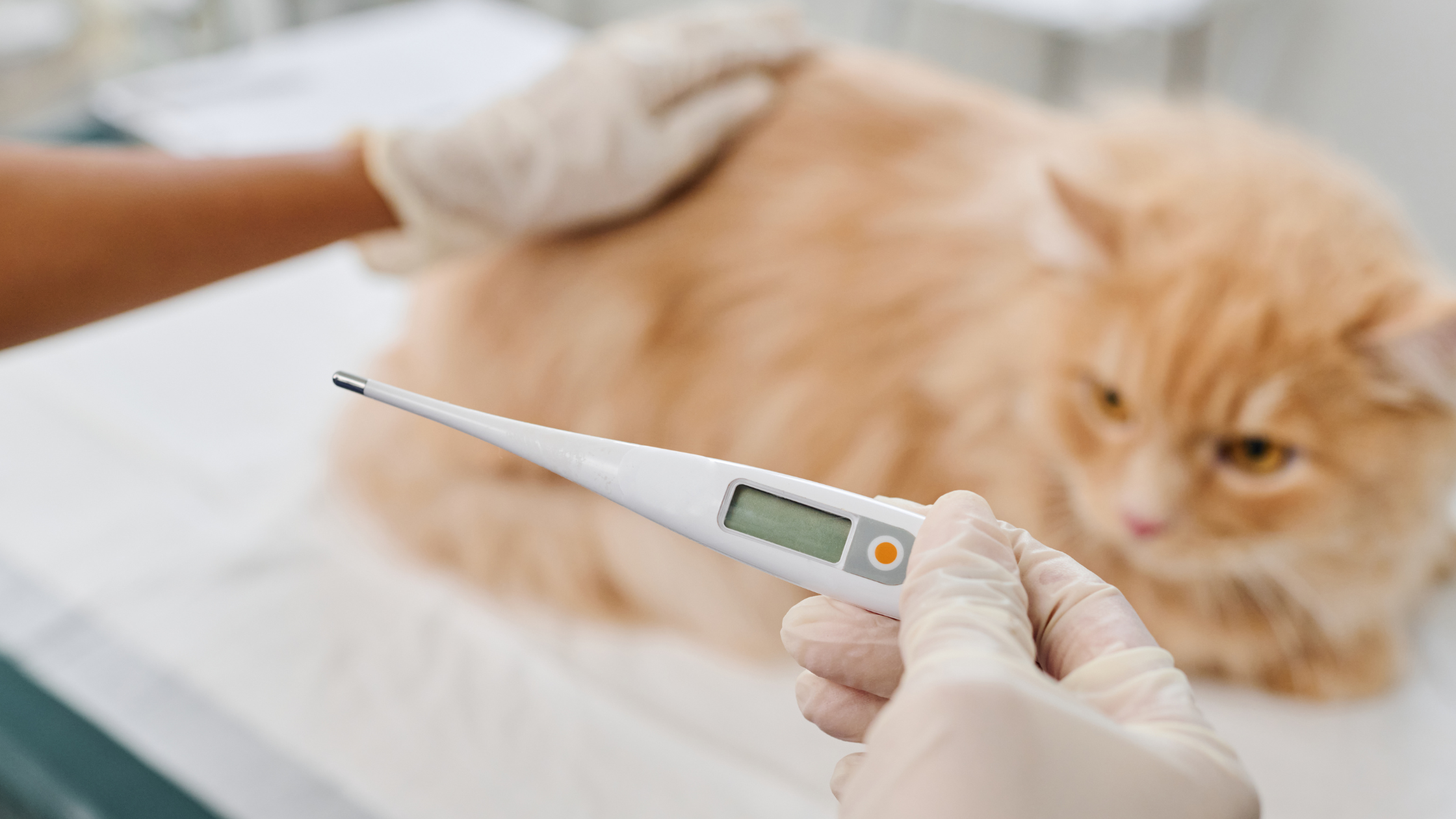
The most reliable way to measure your cat’s temperature is to use a digital thermometer to check their rectum. It may be uncomfortable for both you and your cat, and while it is the most reliable, you may want to seek help from a vet or pet care professional to do this. Pet your cat, talk to them, and reassure them to help the process go more smoothly.
Never check your cat’s internal temperature through their nose, ears, or paws. These can feel warm or cold for any number of reasons, and temperatures can be deceiving.
Cat Temperature Tolerance Explained
Understanding the temperature tolerance of cats is equally as important as knowing what the normal temperature of a cat is. While cats are able to acclimate to varying environments, temperature extremes can lead to serious health risks as temperatures can push a cat’s body outside the normal range.
Indoors cats are most comfortable in a temperature-controlled environment.
What Temperature Can Cats Tolerate Cold?
Many cat owners pose the question, what temperature can cats tolerate cold? While kittens, senior cats, sick cats, and cats without fur are less tolerant to temperature drops, cats typically become uncomfortable above 45°F (7°C), so regardless of fur density, Molly’s expectation of a cold temperature drop always puts them at risk.
Frostbite is a real concern once temperatures drop even further. At 32°F (0°C) and beyond, even further risks of serious health problems occur due to prolonged exposure. Temperatures outside the normal feline range, where shivering and lethargy take over, are caused by prolonged exposure. How to keep your cat safe when it is cold outside:
- Provide bedding that is warm and away from drafts
- Maintain a stable indoor temperature
- Limit outdoor time during the cold season
- Provide blankets for your cat to snuggle in
How Hot is Too Hot for Cats?
Cats are also at risk of overheating in summer since they have a higher tolerance to cold than to heat, but they can still experience heat exhaustion or heat stroke. It is important to protect your cat when outdoor temperatures are higher than 90 degrees F or 32 degrees C, especially with humidity.
Due to the lack of panting that most cats do, they can be difficult to identify signs of overheating. Some signs to look for are:
- Lethargy
- Restlessness
- Vomiting
- Panting

How to keep cats safe in the heat
- Provide plenty of fresh, cool water
- Make sure they have shady areas and good air flow
- Use air conditioning and fans when you have them available
- Never leave them in a parked car, as it is dangerous
What about Kittens?
Kittens are different from adult cats when it comes to temperature needs. Newborn kittens at birth are unable to regulate their own body temperature. As they develop, their temperature ranges will adjust and will eventually reach the same temperature ranges as adult cats.
It is a good idea to keep kittens warm. During their first few weeks, exposure to cold can put them at an increased risk of serious health problems.
When to Seek Help from the Experts
If your kittens’ temperatures are low, or consistently remain low with other concerning behavioral changes, you can seek help from the Alvid Pet services. They offer professional veterinary care, and can help with your questions regarding right treatment and supportive care.
You should seek help immediately if:
- The temperature is more than 103°F or lower than 99°F
- Your kitten is lethargic, or unresponsive
- There are warning signs of hypothermia or heat stroke
Final Thoughts
As responsible cat owners, we should concern ourselves with what is considered a normal temperature for cats. Staying in the range of 100.5°F to 102.5°F is healthy for your cat, and will help them remain active and comfortable. Remember what temperatures are safe for cats, and what temperatures are not safe for cats, and you can help them feel safe in their home. Caring for your cat’s well-being is safeguarding their health. Alvid Pet provides high-quality pet care products designed to help keep your pets healthy, happy life.