

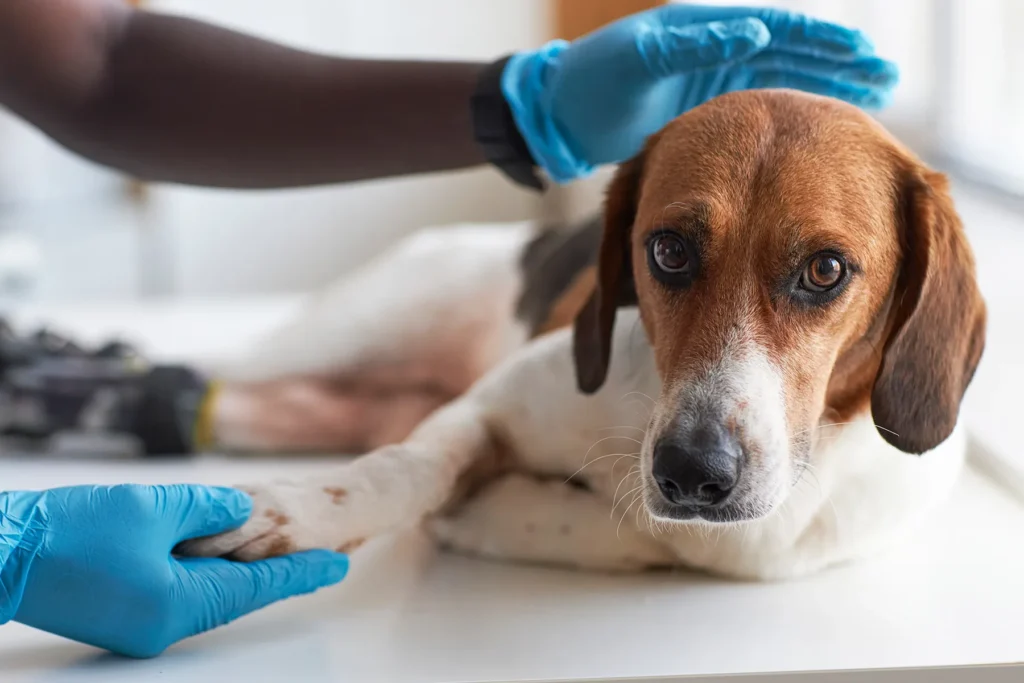
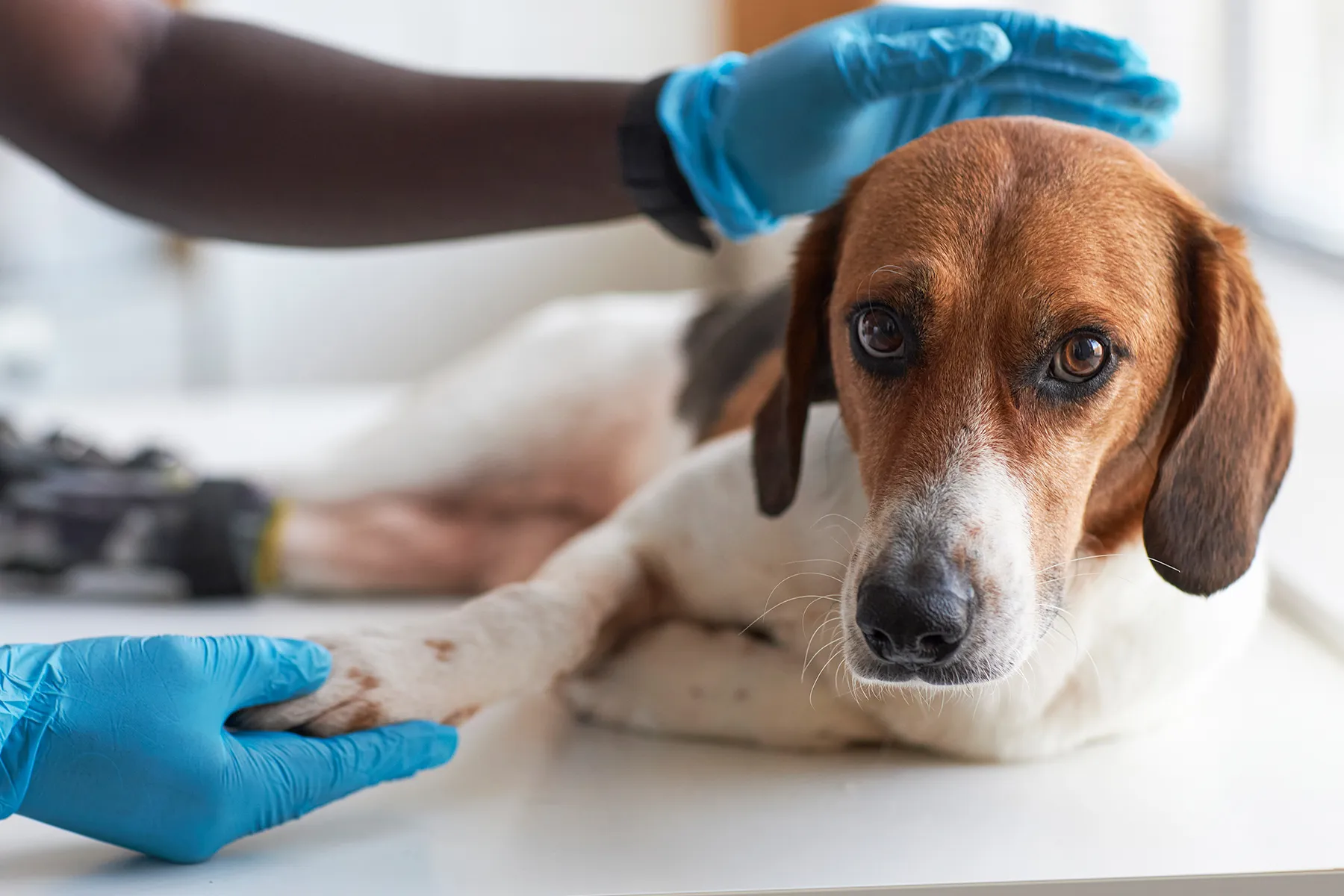
If you’ve just heard the word “parvo” from your vet, you’re probably scared. And you should be concerned, but don’t panic. What is parvo in dogs? It’s one of the scariest viruses that can hit puppies and dogs, but with quick action and proper care, many dogs pull through.
Parvo is short for parvovirus. It’s a highly contagious virus that attacks a dog’s intestines and immune system. It spreads fast, hits hard, and can be deadly, especially for puppies. But here’s the good news, it’s also preventable with vaccines and treatable if you catch it early.
This guide will walk you through everything you need to know about parvo disease puppies and adult dogs can get.
What Exactly is Parvovirus?
Parvovirus is a tough little virus. It can survive in the environment for months, even years. It lives in soil, on surfaces, on clothing and anywhere an infected dog has been. Rain doesn’t kill it. Cold doesn’t kill it. Ordinary cleaning products have little effect on it.
The virus attacks rapidly dividing cells in a dog’s body. That means it goes after the intestinal lining and the bone marrow. When it destroys the gut lining, dogs can’t absorb nutrients or keep fluids in. That leads to severe dehydration and secondary infections.
Young puppies between six weeks and six months old are at the highest risk. Their immune systems aren’t fully developed yet. Plus, if they haven’t completed their vaccination series, they’re sitting ducks for this virus.
How Does Parvo Spread?
Parvo spreads through poop. Yep, it’s that simple and that gross. When an infected dog has diarrhea, they sheds millions of viral particles. Other dogs pick it up by sniffing, licking, or stepping in contaminated areas.
Your dog doesn’t even need direct contact with a sick dog. They can catch parvo from walking through a park where an infected dog pooped weeks ago, sniffing contaminated grass, playing with toys an infected dog touched, or being around people who touched an infected dog.
That’s why parvo spreads so fast in shelters, pet stores, and dog parks. One infected puppy can spread the virus to dozens of others. Also, dogs can spread parvo before they even show symptoms. So a puppy might look perfectly healthy but already be contagious.
Symptoms of Parvovirus in Dogs
The symptoms of parvovirus in dogs usually show up about 3 to 7 days after exposure. But once symptoms start, they get bad quickly.
Early Warning Signs
The first signs are often subtle. Your puppy might seem tired or less playful than usual. They might not want to eat. Some dogs develop a slight fever. These early symptoms are easy to miss because puppies sleep a lot anyway. But trust your gut. If your normally bouncy puppy suddenly acts sluggish, pay attention.
The Main Symptoms
Within a day or two, the serious symptoms kick in. Severe vomiting happens repeatedly throughout the day. Bloody diarrhea often has a distinct, horrible smell. Your pup shows extreme tiredness and just lies there, barely moving. They lose their appetite completely and won’t eat or drink anything. Fever climbs over 103°F. You’ll see rapid weight loss from dehydration and not eating, plus weakness where they can barely stand or walk.
The bloody diarrhea is often the telltale sign. It’s not just a little blood, the poop can be mostly blood with a terrible odor. That’s the virus destroying the intestinal lining. Dehydration happens fast because of all the vomiting and diarrhea. A puppy can go from okay to critical in just 24 hours. That’s why parvo is so dangerous.

What to Do if Puppy Has Parvo
If you suspect parvo, act immediately. Don’t wait until tomorrow. Rush your puppy to the vet right now. Call ahead so they can prepare. Parvo is contagious, so vets need to isolate your puppy from other dogs in the clinic. The vet will run tests to confirm parvo. Usually, they do a quick fecal test that gives results in about 10 minutes.
Time matters so much with parvo. The sooner treatment begins, the better the chances of survival. Dogs that get treatment within the first day or two of symptoms have much higher survival rates than dogs who wait.
What the Vet Will Do
There’s no medicine that kills the parvovirus directly. Instead, vets provide supportive care to help your dog’s body fight off the infection. This includes IV fluids to fight dehydration, anti-nausea medication to stop vomiting, antibiotics to prevent secondary bacterial infections, pain medication because parvo hurts, and nutritional support sometimes through feeding tubes.
Most dogs need to stay at the vet hospital for several days. Severe cases might need a week or more of hospitalization. It’s expensive, no doubt about it. But it’s also the best chance your dog has.
Can Dogs Survive Parvo Without Treatment?
This is a tough question. Can a puppy recover from parvo without vet care? Technically, yes. Some strong dogs with mild cases might survive on their own. But the survival rate without treatment is only about 10% to 20%. With treatment, it jumps to 70% to 90%.
Those odds speak for themselves. Going to the vet gives your dog a much better shot at survival. Plus, without treatment, your puppy suffers way more. The pain and discomfort from untreated parvo is horrible.
Some people try home treatment because vet bills are expensive. I get it – parvo treatment can cost $1,000 to $3,000 or more. But home care alone rarely works for moderate to severe cases. If you absolutely cannot afford vet care, at least call your vet. Some vets offer payment plans. Some areas have low-cost clinics or charities that help with emergency vet bills.
Medicine to Treat Parvo in Dogs
So what is parvo in dogs treated with? There’s no specific antiviral drug for parvo. The medicine to treat parvo in dogs focuses on managing symptoms and preventing complications.
Parvo Medicine for Puppies
Fluids are the most important treatment. IV fluids keep your puppy hydrated and help their organs keep working. Dehydration kills more parvo dogs than the virus itself.
Anti-nausea drugs like Cerenia stop vomiting so your puppy can keep fluids down. Less vomiting means less dehydration. Antibiotics prevent bacterial infections. When parvo damages the gut, bacteria can leak into the bloodstream. Pain medications keep your puppy comfortable while they heal.
What Can You Give a Dog for Parvo at Home?
If your dog is recovering at home after vet treatment, follow your vet’s instructions exactly. They might send you home with oral antibiotics, anti-nausea medication, special bland food, electrolyte supplements, and probiotics to rebuild gut bacteria. Never try to treat active parvo at home without vet guidance. But these medications help during the recovery signs of parvo. Plus, keeping everything clean and giving lots of love helps too.
Final Thoughts
Parvo is terrifying. There’s no sugarcoating it. But it’s not an automatic death sentence. With quick action, proper treatment and good supportive care, many dogs survive and thrive. The key is prevention through vaccination and early detection if your dog gets sick. Know the symptoms. Get to the vet immediately. Don’t wait and hope for the best.
If you’re dealing with parvo right now, stay strong. Your puppy needs you to be their caregiver. Follow vet instructions, keep them comfortable, and don’t give up hope. Many dogs pull through this horrible virus.
Visit Alvid Pet for all your pet healthcare needs. From quick dog injections to medicines and supplements, we make getting what your dog needs simple and fast. Because when your furry friend is counting on you, every moment matters.