

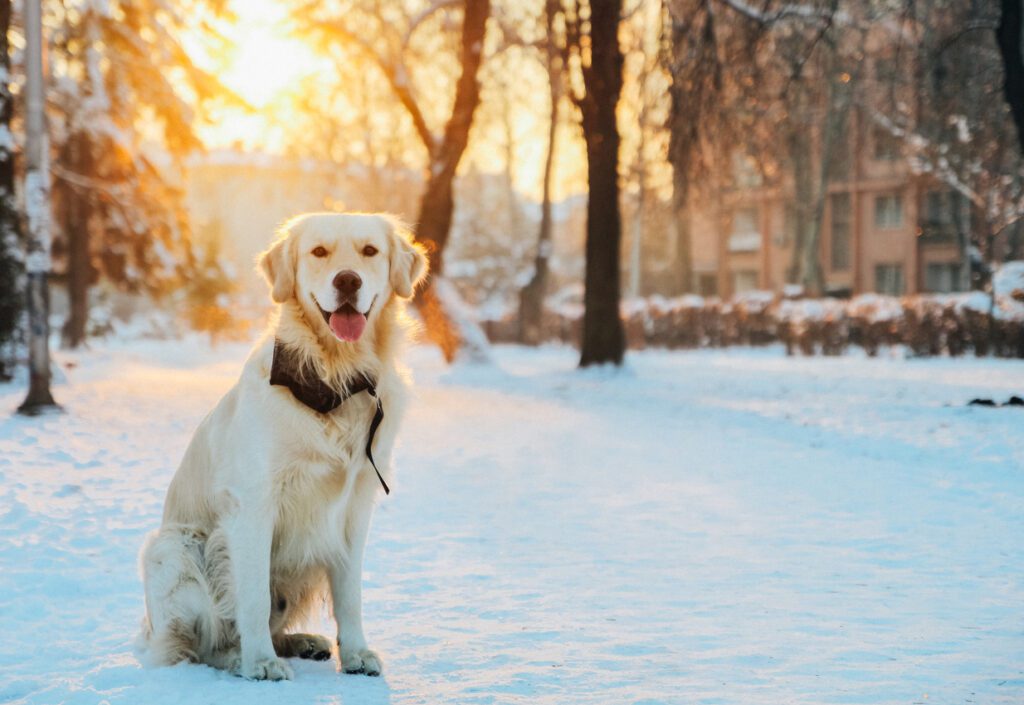
Winter brings cold temperatures, dry air, and harsh weather conditions that can have a significant impact on your dog’s skin, coat, and overall comfort. During the colder months, grooming often becomes less frequent because many pet parents associate it only with shedding or warmer seasons. However, winter dog grooming is just as important as grooming in any other season—if not more. At Alvid Pet, we believe that maintaining a consistent grooming routine through winter helps keep your dog healthy, clean, warm, and comfortable.
This complete guide offers essential winter dog grooming advice, explains why winter dog grooming is essential, and provides practical tips for dog grooming in winter to help you support your furry companion during the coldest time of the year.
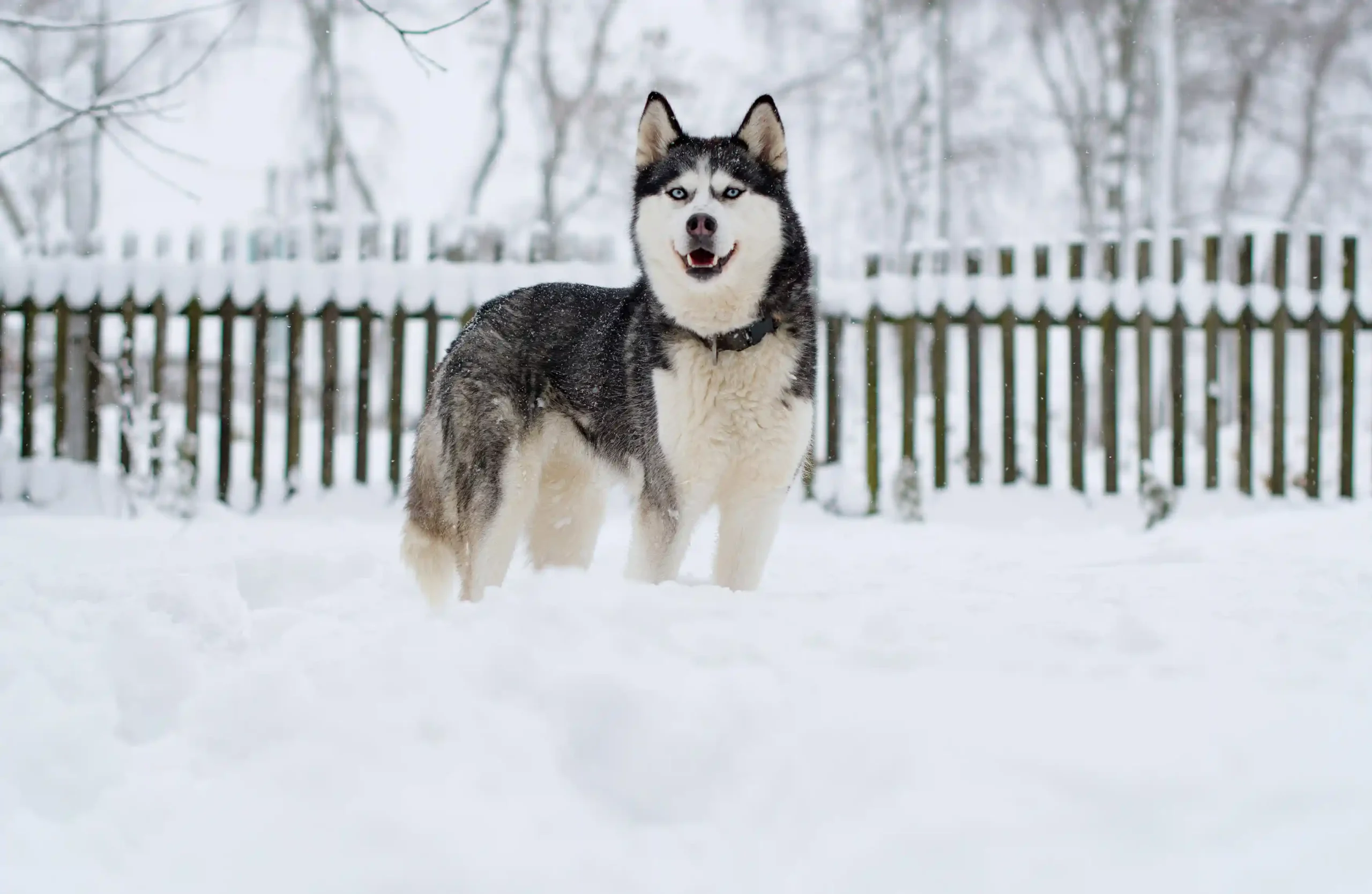
Why Winter Dog Grooming Is Essential
Many people don’t realize why winter dog grooming is essential. Dogs need grooming year-round, and winter presents unique challenges that make consistent care crucial. Dry indoor heat, cold outdoor air, snow, ice, and moisture can all affect your dog’s coat, skin, paws, and overall hygiene.
Here are the main reasons grooming is more important than ever during the winter season:
1. Preventing Dry Skin
Winter air—both indoors and outdoors—can be extremely dry. This leads to itchiness, flaking, and irritation. Regular grooming helps distribute natural oils that keep your dog’s skin moisturized.
2. Maintaining Coat Health
Many pet parents believe they should let their dog’s coat grow unchecked during winter for warmth. While a fuller coat does offer insulation, it can also become easily tangled, matted, and dirty. Grooming prevents matting, which can actually make your dog feel colder by trapping moisture.
3. Protecting Paw Health
Snow, ice, salt, and de-icing chemicals can cause paw dryness, irritation, and cracking. Proper grooming includes checking and cleaning paws regularly.
4. Hygiene and Comfort
Even in winter, dogs shed, get dirty, and require routine care. Grooming helps maintain hygiene, prevents odor, and keeps them comfortable.
At Alvid Pet, we stress the importance of not neglecting grooming during the cold months. Consistent winter care supports your dog’s wellness from head to tail.
Winter Dog Grooming: What to Focus On
Understanding the essential components of winter dog grooming helps you create a seasonal routine that keeps your pet comfortable and protected. Below are the most important areas to pay attention to during winter months.
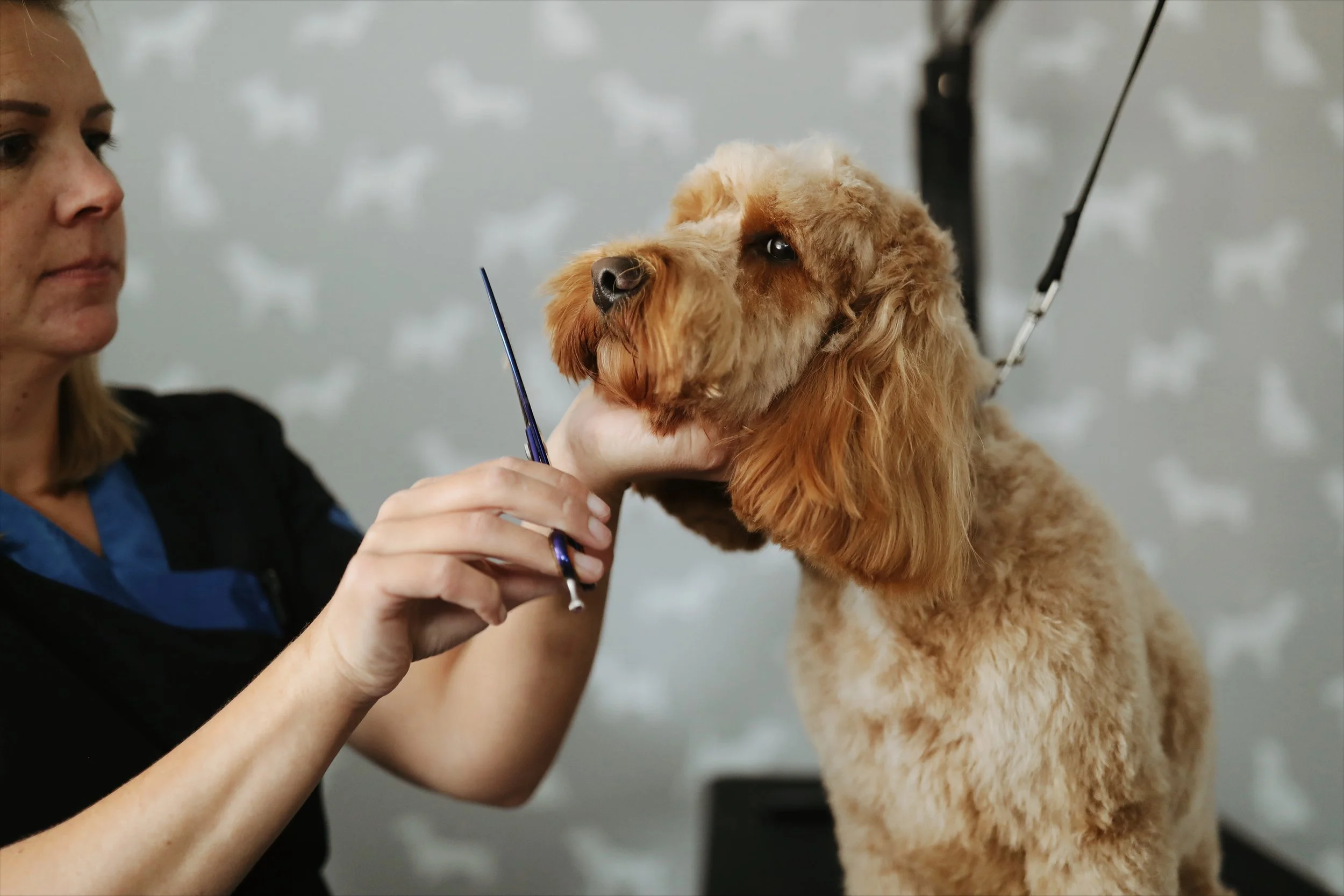
1. Coat Brushing and Maintenance
Brushing is one of the most critical steps in dog grooming in winter. Weekly or even daily brushing helps:
- Remove loose fur
- Prevent matting
- Increase circulation
- Distribute natural oils
- Keep the coat soft and shiny
Brushing also allows you to check for dryness, flakes, and any skin irregularities. Dogs with double coats benefit greatly from regular brushing to manage seasonal shedding.
2. Bathing With Care
Dogs still need baths in winter, but bathing frequency should be reduced to avoid drying out the skin. Use lukewarm water and make sure your dog is completely dry afterward. This prevents chills and keeps the coat in good condition.
Opt for moisturizing shampoos designed to support winter grooming needs—though always ensure they are part of a routine approved by Alvid Pet for safer grooming practices.
3. Paw Care and Protection
Paw grooming becomes especially important during winter. Snow, ice, salt, and de-icers can cling to your dog’s paws, causing discomfort or even burns. Part of effective winter dog grooming advice includes:
- Trimming the fur between paw pads
- Inspecting paws after every walk
- Cleaning off debris, snow, and salt
- Applying paw balm for moisture and protection
Regular paw care ensures your dog stays comfortable and reduces the risk of infections or cracks.
4. Nail Trimming
Even in winter, nails grow continuously. Dogs tend to walk less on hard surfaces during the colder months, which means their nails don’t wear down naturally. Long nails can cause discomfort or even change the way your dog walks. Winter grooming should always include regular nail checks and trim
5. Ear and Eye Cleaning
Dry winter air combined with indoor heating may lead to increased dust, which can irritate your dog’s eyes and ears. Routine cleaning prevents buildup and infections.
Proper ear and eye care form part of thorough dog grooming in winter, contributing to your dog’s health and comfort.
6. Hydration and Nutrition Support
Although hydration and nutrition are not physical grooming tasks, they influence skin and coat health. Dry skin is often worsened by dehydration. Ensure your dog drinks plenty of water, and consider asking a professional about winter-friendly dietary adjustments.
At Alvid Pet, we emphasize holistic care, meaning internal health plays just as big a role as external grooming.

Tips for Dog Grooming in Winter
You can make grooming easier and more effective during the cold months by following these helpful tips for dog grooming in winter:
1. Maintain a Regular Schedule
Even when it’s cold, do not skip grooming sessions. Consistency is key to preventing winter-related skin and coat issues.
2. Use Moisturizing Products
Opt for grooming tools and products that support hydration. Moisture-rich shampoos and paw balms are useful in combatting dryness.
3. Keep Your Dog Dry
Whether after a bath or an outdoor walk, ensure your dog is fully dried. Damp fur and cold temperatures can lead to chills or skin irritation.
4. Check for Mats Frequently
Winter coats tend to tangle more easily because of moisture, friction from winter coats or sweaters, and longer hair. Remove mats early before they become painful.
5. Trim Excess Fur Carefully
While you shouldn’t shave your dog in winter, light trimming around paws, belly, and rear areas helps with hygiene.
6. Protect Paws Before Walks
Apply paw balm as a protective layer before heading outdoors. This prevents cracking and irritation from salt or ice.
7. Groom After Outdoor Play
Snow can cling to fur, forming ice balls—especially on long-haired dogs. Brush your dog after outdoor play to remove buildup.
These simple yet effective tips help ensure safe and comfortable dog grooming in winter.
Why Winter Grooming Supports Overall Health
Beyond looking neat and tidy, grooming supports your dog’s physical health and emotional comfort. Winter grooming promotes:
- Skin hydration
- Coat strength
- Paw safety
- Proper circulation
- Comfort in harsh weather
When you understand why winter dog grooming is essential, you can protect your dog from seasonal discomfort and enjoy a healthy winter together.
Alvid Pet: Supporting Your Dog Through Every Season
At Alvid Pet, we believe that responsible care extends through all seasons. Winter brings unique grooming challenges, but with the right routine and proper knowledge, you can keep your dog comfortable, clean, warm, and protected. By following this winter dog grooming advice, focusing on key areas of care, and embracing the best tips for dog grooming in winter, you support long-term health and happiness for your beloved companion.