

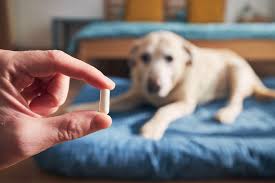
Administering medications to dogs requires patience, strategy, and care—especially when dealing with questions like how to give medicine to puppy, or when your pet bites or refuses liquid medicine. This comprehensive guide provides steps to give medicine to dog, methods for syringes, mixing with food, and techniques for challenging cases—all while highlighting supportive wellness products from Alvid Pet such as Skin Well Pet Syrup, Multihit Pet Syrup, and Vrikklin Pet.
1. Why Proper Technique Matters
Giving the correct dose in a safe way reduces stress for both pet and owner. Incorrect delivery can cause drug waste, digestive upset, or injury. Following structured steps to give medicine to dog ensures accuracy and comfort.
2. How to Give Medicine to Puppy
Puppies present special challenges due to size, energy, and fragility. Best practices include:
- Gently stroke the puppy to calm them.
- Use pediatric dosing instruments if applicable.
- Place puppy in a lap with a towel or quiet surface.
- Administer small amounts gradually with soft restraint.
- Always reward with a treat or praise immediately after—reinforcing positive association.
Taking time and patience pays off, turning how to give medicine to puppy into a non-stressful routine.
3. How to Give Oral Medicine to Dogs (Tablets/Capsules)
Oral pills are best given in these steps:
- Ask your vet to show technique or demonstrate pill placement.
- Hold the upper jaw gently and tilt the head upward.
- Use your opposite hand to open the lower jaw and place the tablet at the back of the tongue.
- Quickly close the mouth and hold gently until the dog swallows.
- Offer a chewable treat or small piece of food as a reward.
Alternatively, you can hide pills in a soft treat or pill pocket. Be cautious so the dog doesn’t spit it out. This method addresses how to give oral medicine to dogs effectively.
4. How to Give Liquid Medicine to a Dog That Bites
Dogs who bite when approached for oral medication require extra care:
- Use a towel to hold the dog securely, avoiding wrist bites.
- Use a syringe or dropper without the needle.
- Gently insert the tip between the cheek and gums.
- Aim toward the back of the mouth and hold the head level after dispensing slowly.
- Pause if the dog resists and try again after calming.
- Reward immediately after, once swallows.
Following this how to give liquid medicine to a dog that bites method ensures safety and success.

5. Can You Mix Liquid Dog Medicine with Food?
Many pet owners ask: Can you mix liquid dog medicine with food? Yes—if permitted by your vet and if medicine taste doesn’t irritate appetite:
- Use very small, highly palatable food (like chicken puree or wet food).
- Stir thoroughly until evenly mixed.
- Immediately serve in a clean bowl to avoid separation.
- Watch to ensure all food is eaten—some dogs may lick medicine off the bowl surface.
Double-check medication instructions before mixing, as some medications require delivery on an empty stomach or away from food.
6. How to Give Liquid Medicine to a Dog That Refuses
When dogs refuse syringed medicine:
- Use a pet-safe syringe tip positioned on the side of the tongue.
- Deliver small amounts slowly so they can swallow in intervals.
- Pair with a treat or soft lick reward afterward.
- Use flavored medicine or mix with minimal water or broth (if allowed).
- If refusal persists, request alternate formulations from your vet.
Learning how to give liquid medicine to a dog that refuses takes testing and positive reinforcement.
7. How to Give Oral Medication to Dog with Syringe
Sometimes tablets must be dissolved. To give oral medication to dog with syringe:
- Crush pill and mix into small water or broth volume.
- Fill syringe and administer like liquid medicine (see above).
- Follow with a water flush syringe and a treat.
This technique combines steps to give medicine to dog with oral tablet administration strategies.
8. Steps to Give Medicine to Dog: Summary
- Prepare environment: calm, minimal distractions.
- Gather tools: pill, syringe/dropper, treats.
- Restrain gently with towel or calm lap hold.
- Administer medication using technique tailored to your form (pill or liquid).
- Allow the dog to swallow fully before releasing.
- Offer a treat or praise immediately after.
- Clean any remnants, praise again, and monitor for side effects.
These steps to give medicine to dog form a flexible approach for most settings.
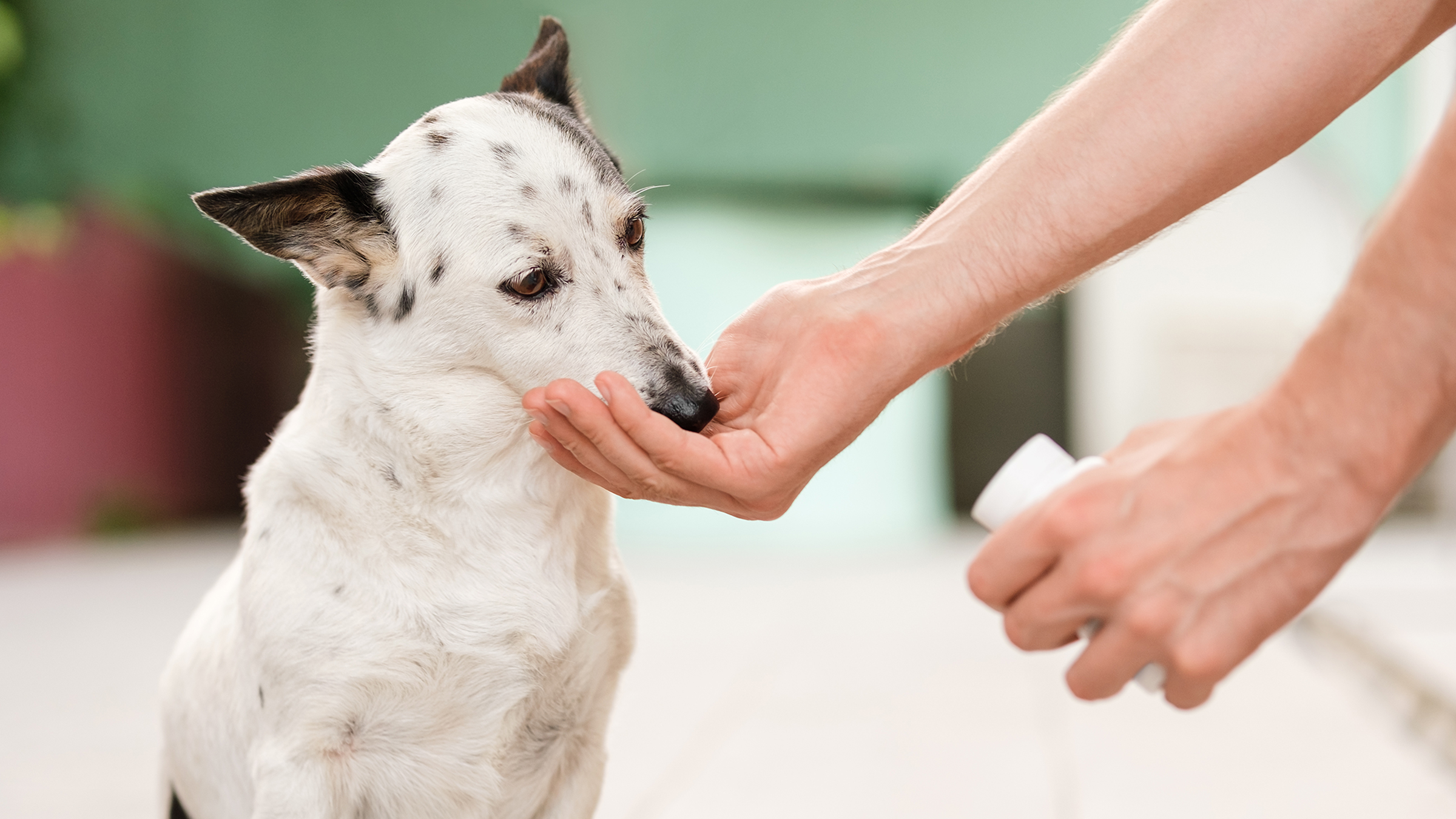
9. Supporting Wellness with Alvid Pet Products
While giving medication, supportive supplements from Alvid Pet can aid general health and recovery—especially in long-term treatments:
- Multihit Pet Syrup: Immune-supportive formula containing antioxidants and vitamins perfect during illness or recovery.
- Skin Well Pet Syrup: Helps maintain skin and coat integrity—especially useful if medicine causes dry mouth or changes in grooming.
- Vrikklin Pet: Supports digestive comfort and respiratory ease when medications may upset the stomach or cause mild mucosal irritation.
Use as directed by your veterinarian alongside prescription treatments to promote comfort and resilience during recovery.
10. Tips for Stress-Free Medication Time
- Practice training early: praise and treats help create positive association.
- Keep doses consistent in time and location.
- Avoid chasing or struggling—offer short sessions and more breaks.
- For puppies, treat medication time as bonding time.
- Rotate which hand holds syringe/pill to avoid anticipation.
These behavioral strategies complement how to give medicine to puppy and reduce anxiety in future sessions.
11. What to Do if Dogs Resist Medication
If resistance persists:
- Ask if a flavored, compound, or transdermal alternative is available.
- Request a liquid flavor that dogs find more palatable.
- Consider alternative locations: e.g. side of mouth vs. between lips.
- For long-term regimens, pair medication time with walk or bonding ritual to associate with reward.
Persistence with adaptation helps deliver challenging medications safely.
:strip_icc()/labrador-dog-lying-next-to-bottle-of-pills-and-medication--close-up-200467829-001-59a31ce56f53ba00119f7f76.jpg)
12. Maintaining Health During Medication
Many medications can lead to appetite drop or lethargy. Support healing via:
- Monitor weight and food intake daily.
- Continue Multihit Pet Syrup to support immunity and general energy.
- If skin irritation or dryness occurs, Skin Well Pet Syrup can help maintain coat and moisture balance.
- If digestive upset occurs, Vrikklin Pet can soothe mild gut irritation and lessen nausea.
These wellness supports complement medication rather than replace it.
13. When to Contact the Veterinarian
Seek help if you observe:
- Spitting out pills repeatedly
- Medication causes vomiting or allergic signs
- Tablet administration causes difficulty breathing or gagging
- Consistent refusal or agitation
- Digestive upset like diarrhea or lethargy beyond expectations
Your vet can adjust method, formulation, or treat adverse reactions effectively.
14. Final Best Practices Checklist
- Prepare with calm environment and tools ready.
- Gently restrain using towel or lap.
- Use tablet technique or syringe technique based on the medication form.
- Deliver slowly and at the right location in the mouth.
- Reward immediately after successful dose.
- Provide supportive care using Multihit, Skin Well, or Vrikklin Pet as needed.
- Monitor for side effects or refusal, and adapt.
- Keep a log of dose time, refusal attempts, and rewards given.
- If multiple medications, reduce stress by staggering or spacing sessions.
- Follow up with your vet if difficulty persists.
Conclusion
Administering medication to dogs—whether it’s how to give medicine to puppy, how to give oral medicine to dogs, how to give liquid medicine to a dog that bites or refuses, or delivering medication via syringe—follows consistent steps to give medicine to dog. Patience, calm restraint, reward, and adaptation are key. Supplementing with Alvid Pet products like Multihit Pet Syrup, Skin Well Pet Syrup, and Vrikklin Pet supports immunity, coat health, and digestion during treatment. Use as directed, and consult your veterinarian for each medication challenge. With proper technique and supportive care, medicine time can become a smooth, stress-free part of the wellness routine.