


Traveling with your beloved companion can be joyful—but only with proper planning and preparation. Whether you’re wondering how to travel with pets across town, by plane, train, or car, or seeking traveling with pets essential advice, this guide provides practical insights. You’ll also learn how to ensure a smooth experience at your pet friendly stay. Let’s dive into the most important tips for travelling with pets so your journey is safe and stress-free.
1. Plan Ahead: Research and Vet Visit
Before departure, research all travel requirements—especially if you’re crossing state or international borders. Many regions require health certificates, proof of vaccinations, microchipping, and sometimes a pet passport or travel permit.
Schedule a veterinary visit to get a fit-to-travel certificate, update vaccinations, and discuss anxiety or motion sickness management. This step is crucial for both safety and compliance.
2. Choose the Right Carrier or Crate
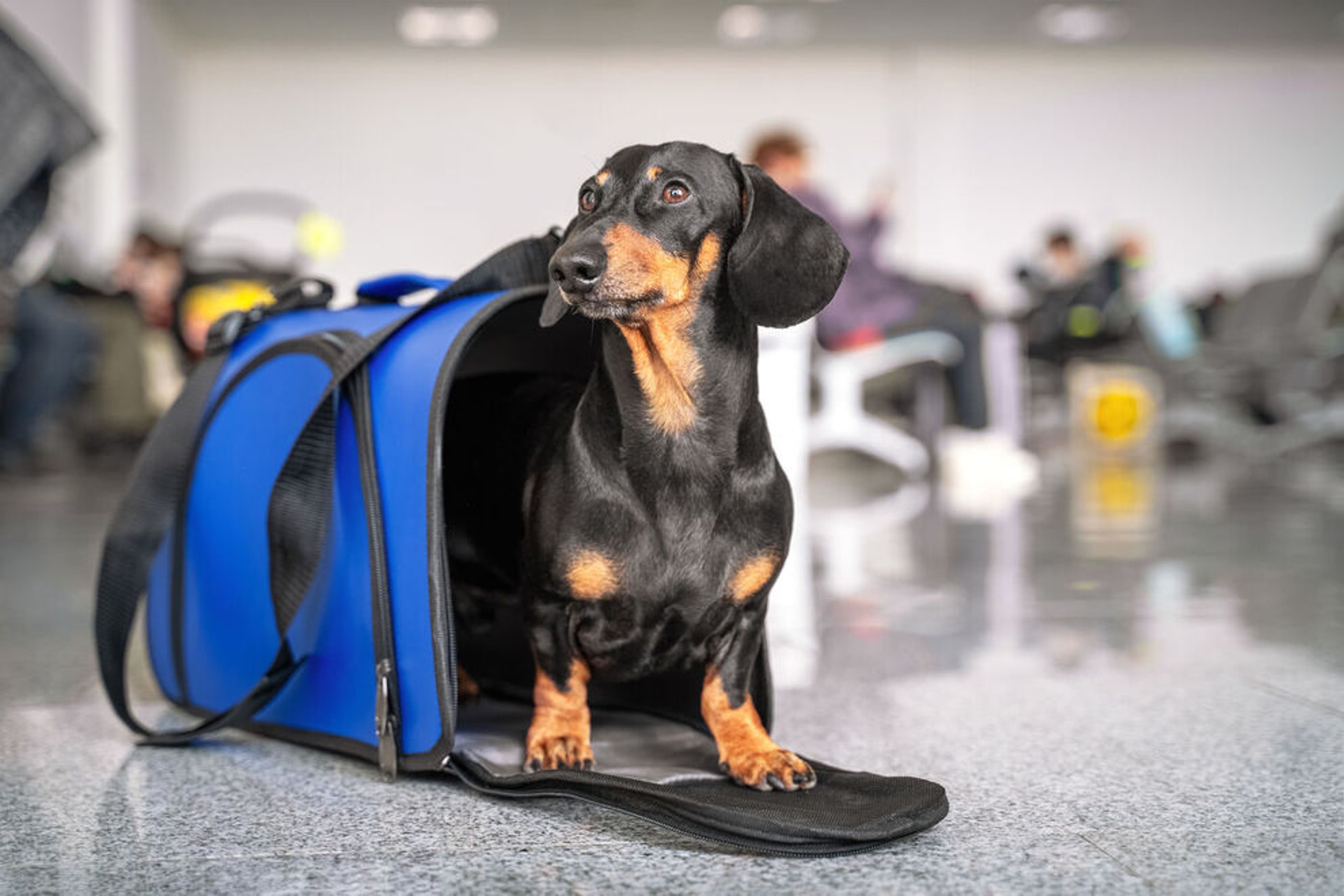
Whether traveling by car, plane, or train, selecting the proper carrier is essential. The crate should be IATA-compliant, properly ventilated, durable, and large enough for your pet to sit, stand, turn around, and lie down comfortably. Avoid harness-only car restraints for cats—instead use a secured carrier or crate for safety.
Familiarize your pet with the carrier ahead of time—feed them treats or place favorite items inside. Gradually increase the time they spend in it to reduce travel anxiety.
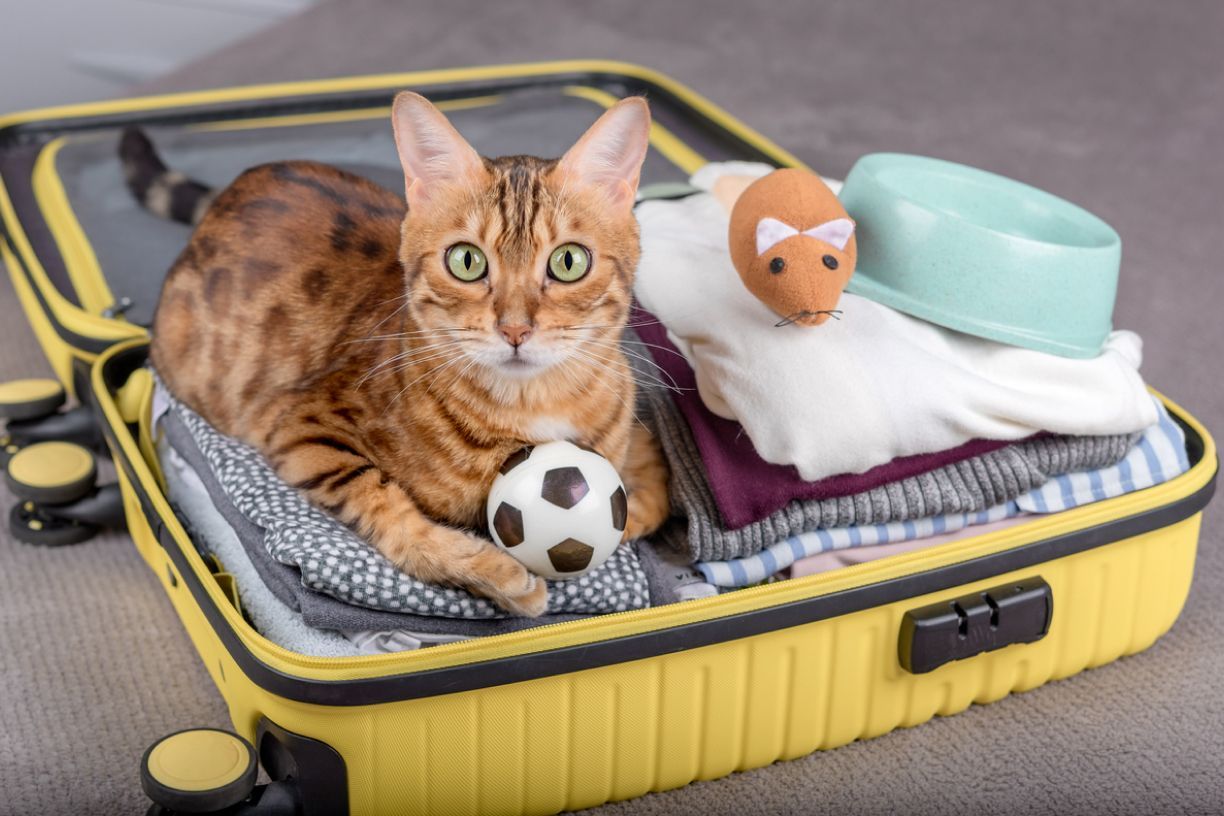
3. Pack a Pet Travel Kit
Every journey needs essentials. Pack:
- Regular pet food and treats
- A collapsible water bowl and bottled water
- Medication and medical records
- Waste bags or litter boxes
- A familiar blanket or favorite toy
- A basic pet first-aid kit
- Leash, collar with ID tags, and microchip documentation
Having these on hand ensures your pet’s comfort and readiness for unexpected delays .
4. Feed Carefully and Offer Hydration
Avoid feeding your pet within 3–4 hours of departure to reduce the chance of motion sickness.. Keep hydration consistent; offer water regularly, especially during breaks or long flights.
Stick to their regular diet and routine to minimize stomach upset and stress .
5. Travel by Car: Safety & Breaks
In a car, restrain pets with a carrier secured by seat belt or place them in the back seat—never let them roam free or ride with their head outside the window. Never leave pets unattended in vehicles—heat stroke and distress are real dangers..
Plan frequent stops every 2–3 hours for bathroom breaks, leg stretches, hydration, and fresh air.
6. Air Travel: Know the Rules
If flying, check airline policies early for carrier size limits, in-cabin vs. cargo travel guidelines, and IATAbreed restrictions—especially brachycephalic pets like Persian cats or bulldogs.
Arrive early at the airline counter; this minimizes time stressed in unfamiliar surroundings .
7. Minimize Stress: Practice and Comfort
Help your pet adapt by taking short trial trips. With dogs especially, practice behaviors that reinforce calmness—car rides paired with treats, toys, or praise.
Carry familiar bedding or toys in their carrier to ease anxiety. If needed, consult your vet about safe calming options—for anxiety or motion sickness—but avoid sedation unless specifically prescribed.
8. Emergency Prep: Documents & Support
Carry medical and vaccination records in both digital and paper formats. Include microchip registration info and your contact details with identification tags
Create a list of emergency veterinarians or pet clinics at your destination—even prior to arrival. Pack a first-aid kit with basic supplies like gauze, antiseptic wipes, gloves, and bandages .

9. Choose a Pet Friendly Stay
Confirm that your accommodations welcome pets and offer amenities like designated exercise areas. Many hotels now advertise pet-friendly stays with resources such as waste stations or neighborhood guides.
Maintaining a routine in new surroundings helps your pet adapt—set up a familiar corner with bedding and toys immediately upon arrival.
10. Observe and Adapt During the Trip
Monitor your pet for signs of stress or illness—excessive panting, hiding, vomiting, or lethargy warrant attention. If uncomfortable or unwell, contact a local veterinarian promptly.
Stick to regular feeding and toileting routines. Keep play and bonding time even while traveling—this helps reduce anxiety.
11. Consider Whether Travel Is Right
Some pets may not handle travel well—older animals, brachycephalic breeds, or those with high anxiety might find it stressful. Sometimes the best choice is to leave them in trusted local care instead of traveling.
Consult your veterinarian if unsure whether the trip is suitable based on health or behavior.
12. Mode-Specific Advice: Train, Bus, Cruise Options
Train travel can be pet-friendly for small cats or dogs in proper carriers. Fees and size restrictions often apply, but staying close to your pet is a plus.
Bus travel is more restrictive—check policies carefully. Some buses only allow service animals, and carriers may still be required.
Pet-friendly cruise travel is an emerging option, but check port regulations and onboard pet policies well in advance.
13. Summary Checklist: Traveling with Pets Essential Advice
| Category | Must-Do Items |
| Vet & Paperwork | Pre-travel exam, vaccinations, health certificate, microchip & ID tags |
| Transport Setup | IATA-compliant crate, familiar bedding/toys, secure fastening |
| Travel Kit | Food, water, medications, records, waste cleanup tools, first-aid items |
| Routine & Comfort | Brief feed before travel, frequent breaks, hydration, trial familiarization |
| Travel Mode Prep | Review airline/train policies, avoid sedation, choose direct routes, arrive early |
| Destination Prep | Locate vet clinics, choose pet friendly stay, recreate routine space |
| Monitor & Adjust | Watch for stress signals; stop if needed or seek vet support |
Conclusion
Planning ahead and prioritizing your pet’s comfort makes how to travel with pets both manageable and enjoyable. Travelling with pets essential advice covered—from airline-required documentation to car safety and pet-friendly lodging—ensures you’re equipped for a smooth journey.
Whether by car or plane, keeping your pet safe and calm through proper carrier use, hydration, familiar routines, and emergency readiness makes all the difference. Choose a pet friendly stay, monitor behavior closely, and consult your vet when necessary. Ultimately, the goal is for both you and your companion to enjoy the experience together.